
The gluten-free diet can be expensive. Below are 10 practical, money-saving tips to help you live gluten-free without breaking the bank.

*This post contains affiliate links, through which the author may earn a small commission from qualifying purchases at no extra cost to you.
The most painful part of switching to gluten-free is often the price. One day a loaf of bread costs under a dollar, and soon after many gluten-free alternatives can run several dollars more. In fact, research has shown gluten-free substitutes can be far more expensive by weight than their conventional counterparts. That can feel overwhelming, especially when gluten-free eating is necessary for health reasons. Fortunately, with a few strategies you can reduce your grocery bill significantly. Here are 10 tips to help you manage a gluten-free lifestyle on a budget.
1. Avoid the “gluten-free” aisle when possible
It may sound counterintuitive, but avoiding the dedicated gluten-free aisle can save money. Many mainstream products are naturally gluten-free or are produced with clear labeling and allergen controls. Reading ingredient lists and allergen statements lets you buy regular-brand items at regular prices. For example, many spices, chips, cereals, dressings, and sauces are gluten-free even if not prominently labeled. Research brands and their labeling practices, and make informed choices based on the ingredient list. This approach reduces markup and widens your affordable options.
2. Utilize coupons
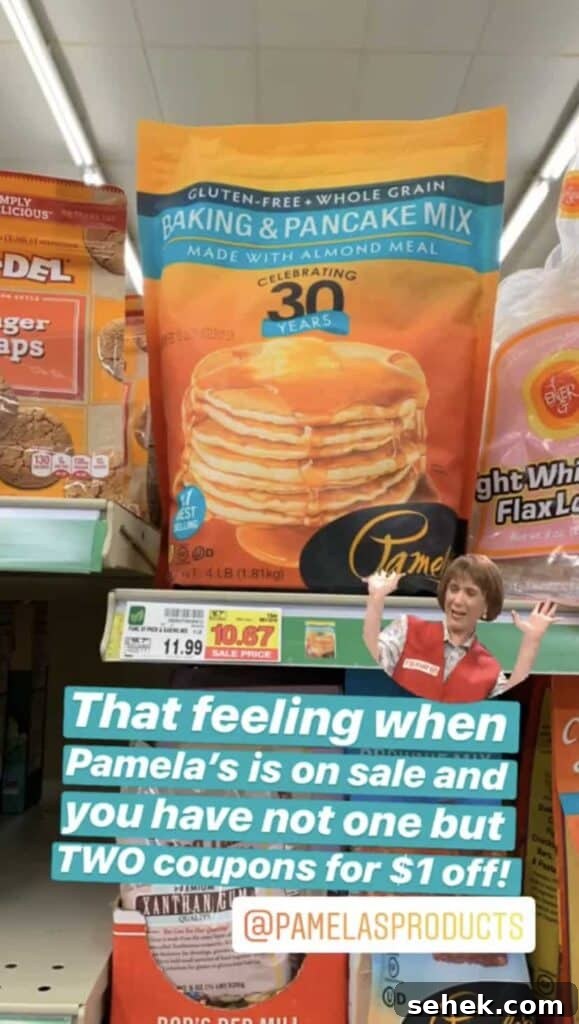
Gluten-free brands often offer manufacturer coupons, product samples, and promotions. Sign up for brand emails and follow their social pages to receive coupons and special offers. Grocery store apps are another excellent source—load digital coupons to your loyalty card and combine these with manufacturer coupons and sale prices for maximum savings. Local gluten-free expos or community events can also be great places to collect coupons and free samples.

Pro tip: combine sale prices, manufacturer coupons, and store-app savings whenever possible to lower your unit cost substantially.
3. Become a meal planner
Plan meals around what’s on sale. Checking weekly ads and planning accordingly helps you take advantage of sales on proteins, produce, and gluten-free pantry staples. Meal planning reduces impulse buys and food waste, and helps you use sale items efficiently—if roast is on sale, plan a roast dinner; if ground beef is discounted, plan several meals that use it. Sales are also a smart time to stock up.
4. Stock up
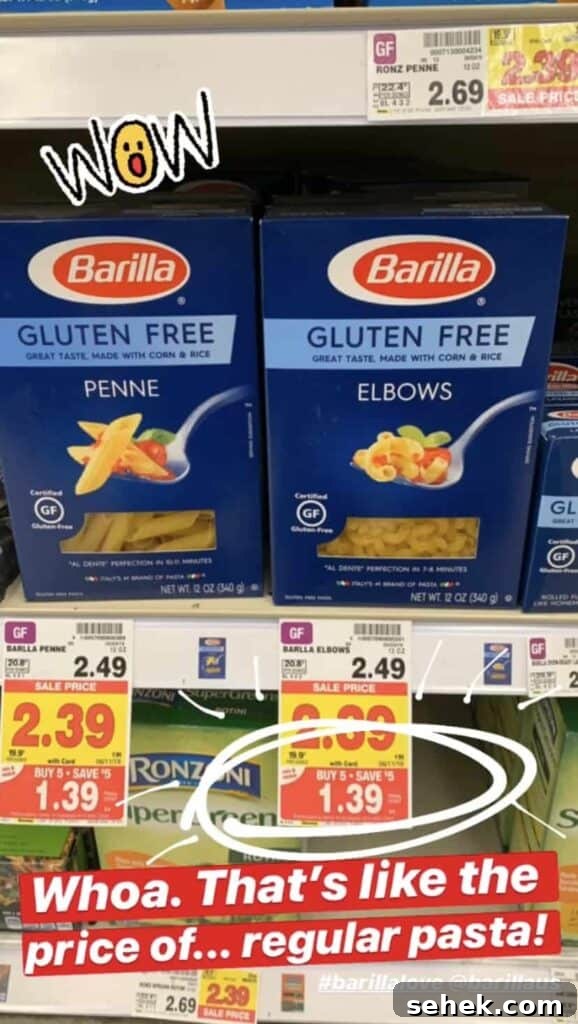
When you find a great deal, buy multiple items if you know you’ll use them before they expire. Stocking up on pasta, flours, frozen items, and other long-shelf-life products can lead to big savings. Be mindful not to overbuy items you won’t use—deadstock that spoils is not savings.
5. Get a gluten-free(zer)
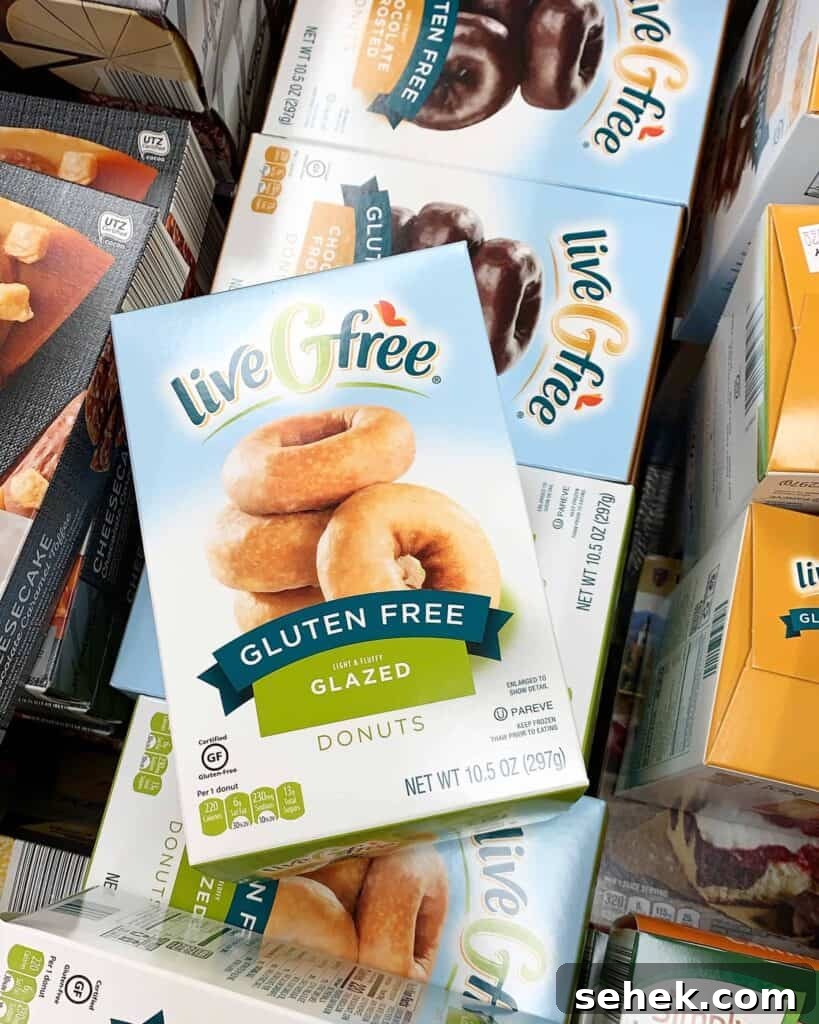
Freezing extends the life of many gluten-free products. Flours, starches, nuts, and grains store well in the freezer and are less likely to go rancid. Buy a dedicated freezer or set aside space in your existing freezer for gluten-free bread, buns, pizza, and seasonal gluten-free specials. Freezing allows you to stock up when prices dip without worrying about spoilage.
6. Make the most of your gluten-free purchases
Avoid food waste by storing and portioning items to extend their usefulness. Once opened, many gluten-free breads last only a few days—freeze the remainder immediately. Wrap bread and buns tightly and thaw as needed. For frozen pizzas, cut them into portions before cooking so you can cook only what you need and refreeze the rest. Small steps like portioning and freezing turn one purchase into multiple meals.

7. Learn to love shopping online
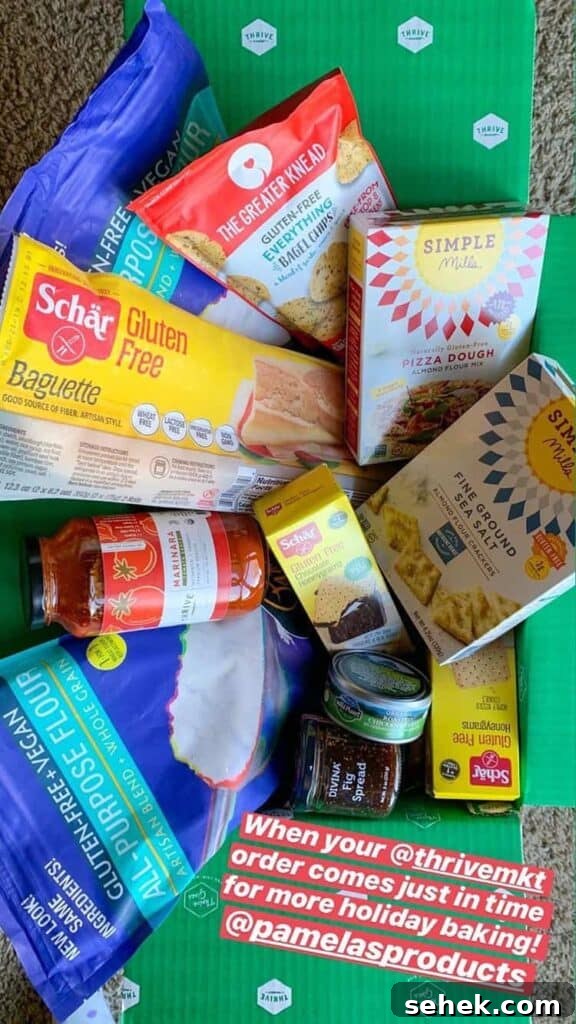
Online retailers often offer competitive prices, subscription discounts, and bulk options. Sites like large online marketplaces, national retailers, and membership-based stores can have good deals on gluten-free staples. Order enough to reach free-shipping thresholds if it makes sense, and watch for online sales and promotions. Some specialty retailers also run membership programs or givebacks that reduce costs for frequent buyers.
8. Buy in bulk when you can
Bulk purchases can lower the unit price, especially for flours, mixes, and pantry staples. Compare per-pound or per-ounce prices across retailers. If bulk buying saves money, store extras in the freezer or a cool, dry place to maintain quality. Buying bulk is most effective when you actually use the extra supply before it degrades.
9. It’s okay to share the kitchen
Maintaining a fully gluten-free household isn’t always necessary—many households successfully share kitchens with clear rules to minimize cross-contact. Keep gluten flours out of shared spaces, use a separate toaster or designated toaster tray, label gluten-free condiments and spreads, and clean surfaces thoroughly after gluten use. If you’re the primary cook and cleaner, establishing habits and limits can make sharing practical and economical while protecting your health.
10. Realize you’re probably saving money in other ways
Adopting a gluten-free lifestyle often means cooking at home more and eating out less, which can offset higher prices for specific products. Small changes like skipping frequent takeout or specialty drinks can redirect funds to your grocery budget. Over time, familiarity with brands, store deals, and product choices reduces anxiety and helps you spot the best value. With planning, a mix of strategies, and a focus on reducing waste, living gluten-free on a budget is achievable.

Have any other tips to share? What’s your favorite money-saving trick for gluten-free living? Share your ideas and experiences to help others stretch their grocery dollars while staying safe and well-fed.