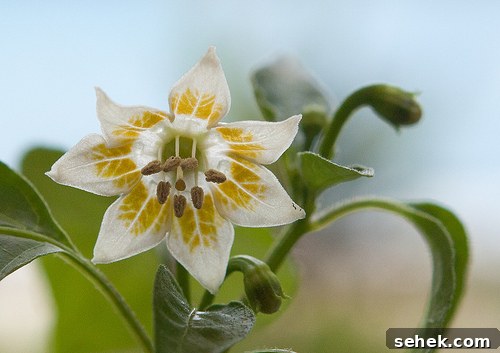
One common question from growers is: why are the flowers dropping off my chilli plants without any fruit forming?
Flower drop, sometimes called blossom drop, is a frequent issue for gardeners growing chillies and many other fruiting vegetables. It occurs when blossoms form but fall off before developing into fruit. Below are the main causes and practical remedies to help your plants set fruit reliably.
1. Lack of pollination
Insufficient pollination is one of the most frequent reasons for flowers dropping, especially when plants are grown indoors or in a greenhouse where pollinating insects are scarce. A simple and effective solution is to pollinate by hand.
Use a cotton bud, a small paintbrush, or even a gentle fingertip to transfer pollen from the inside of each flower to the stigma. Do this once a day for a couple of weeks and you should begin to see fruit setting. Hand pollination is quick, free, and very effective for indoor or protected crops.
2. Poor air flow
Air movement helps carry pollen between flowers and encourages beneficial insects to visit your plants. Stagnant air in crowded plantings or enclosed spaces reduces natural pollination.
Improve ventilation by spacing plants appropriately and increasing airflow in greenhouses or indoor growing areas. When outdoor night temperatures are safe (for example above 10°C), keeping greenhouse doors and vents open can help. Better airflow reduces humidity-related problems as well and makes conditions more attractive to pollinators.
3. Overwatering
Excessive watering can stress chilli plants and contribute to flower drop. If pollination seems adequate but flowers still fall, try reducing watering frequency—often twice a week is sufficient, though frequency depends on pot size, growing medium, and weather.
Also keep in mind that some flower loss is natural; not every blossom will become a pepper. Focus on maintaining consistent moisture rather than frequent, heavy soaking.
4. Not harvesting ripe pods
Chilli plants allocate resources to existing fruit. If ripe pods are left on the plant, the plant may prioritize maintaining those fruits instead of setting new ones. To encourage continued production, harvest ripe chillies promptly.
Regular picking signals the plant to set more fruit and keeps energy directed toward producing new pods rather than sustaining old ones.
5. Unstable temperatures
Chilli plants prefer steady temperatures. Extreme heat during the day or cold nights can cause blossoms to drop. Monitor forecasts and protect plants from sudden temperature swings using shade, ventilation, or frost protection when necessary. Maintaining a consistent environment during flowering greatly increases the chances of successful fruit set.
6. Overfeeding
Too much fertilizer—particularly high-nitrogen feeds—can lead to lush vegetative growth at the expense of flowering and fruit set, and may also shock plants. A “little and often” feeding approach with a balanced feed encourages steady growth and helps prevent nutrient-related flower drop.
In summary, some blossom loss is normal even on healthy plants. By addressing the most common causes—insufficient pollination, poor airflow, overwatering, leaving ripe pods on the plant, temperature fluctuations, and overfeeding—you can significantly reduce flower drop and improve chilli yields.