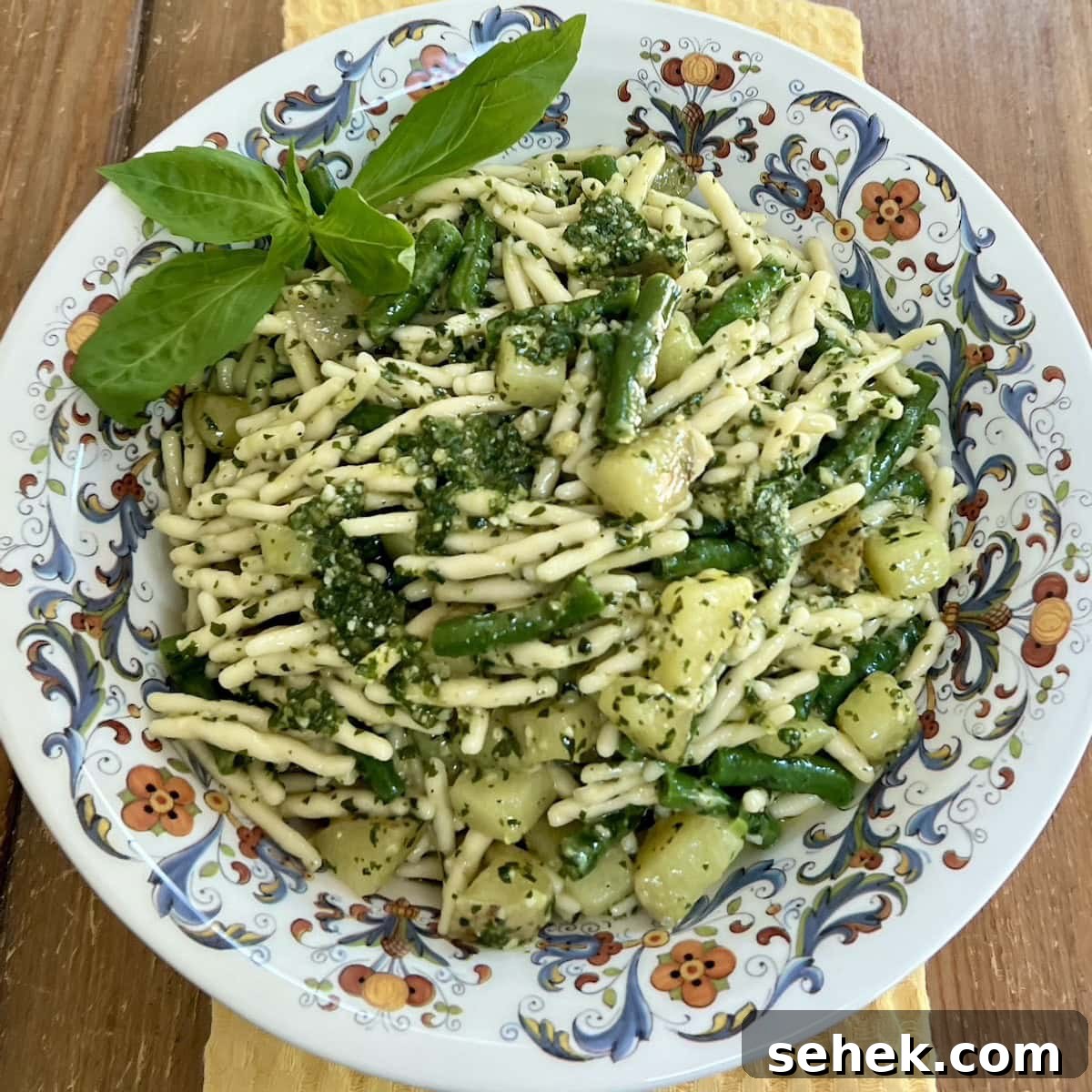
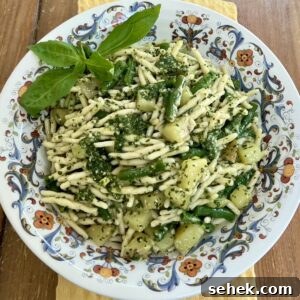
Trofie al Pesto Genovese with green beans and potatoes is a classic Ligurian summer pasta. Fresh basil, extra-virgin olive oil, pine nuts, Parmigiano-Reggiano, Pecorino Romano and garlic blend into a fragrant pesto that dresses twisty trofie pasta alongside tender potatoes and crisp-tender green beans.
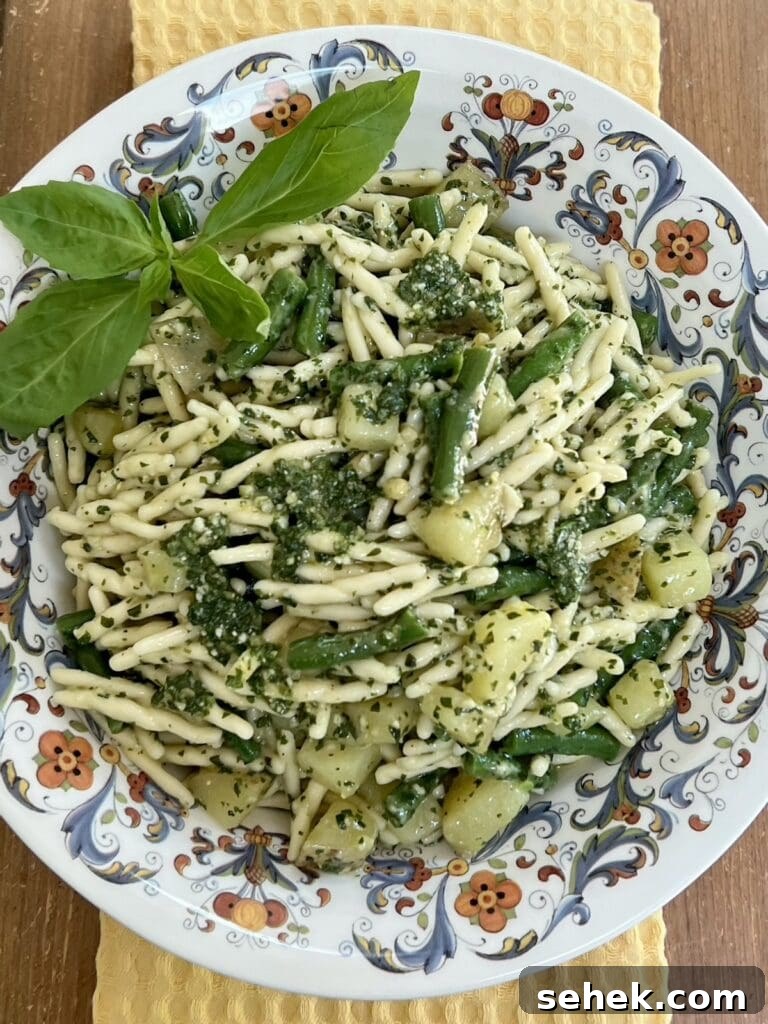
This combination—pesto, green beans and potatoes—is one of the most traditional pairings from Genoa. Trofie are small, twisted pasta shapes that hold sauce well, making them perfect for pesto. The green beans bring a bright crunch and the starchy potatoes help emulsify and thicken the sauce so every bite is silky and satisfying.
Making your own pesto is quick and addictive. I recommend making extra and freezing portions for future use: pesto freezes beautifully and elevates many dishes. Leftover pesto brightens simple pastas, roasted vegetables, meatballs, and sandwiches.
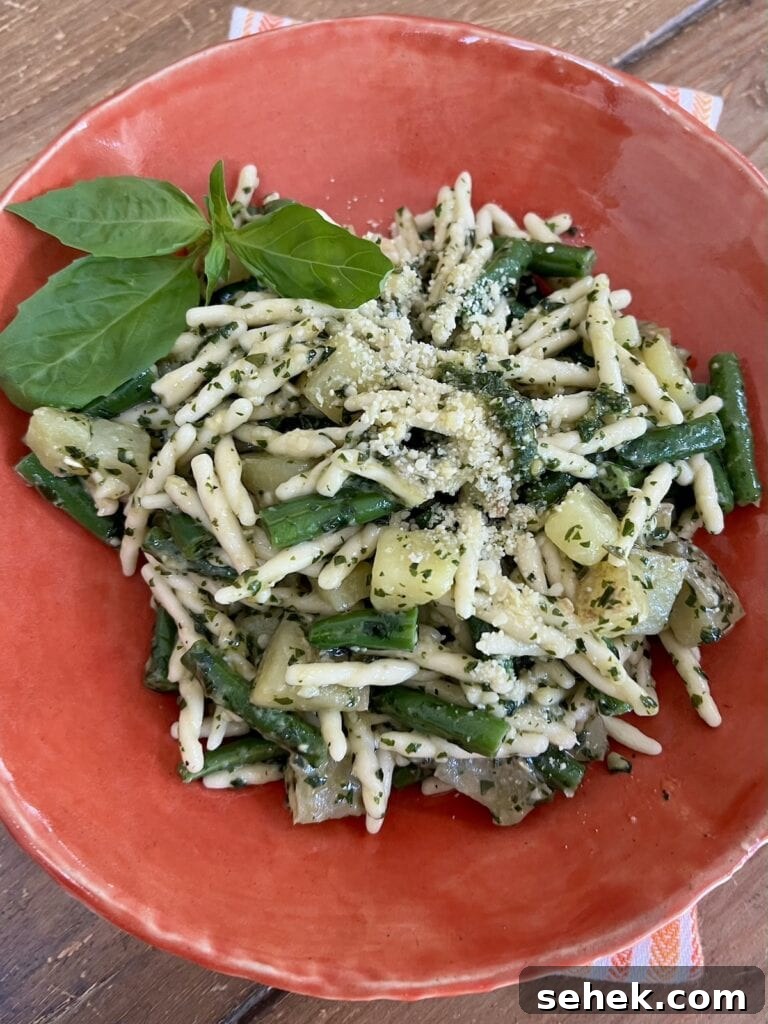
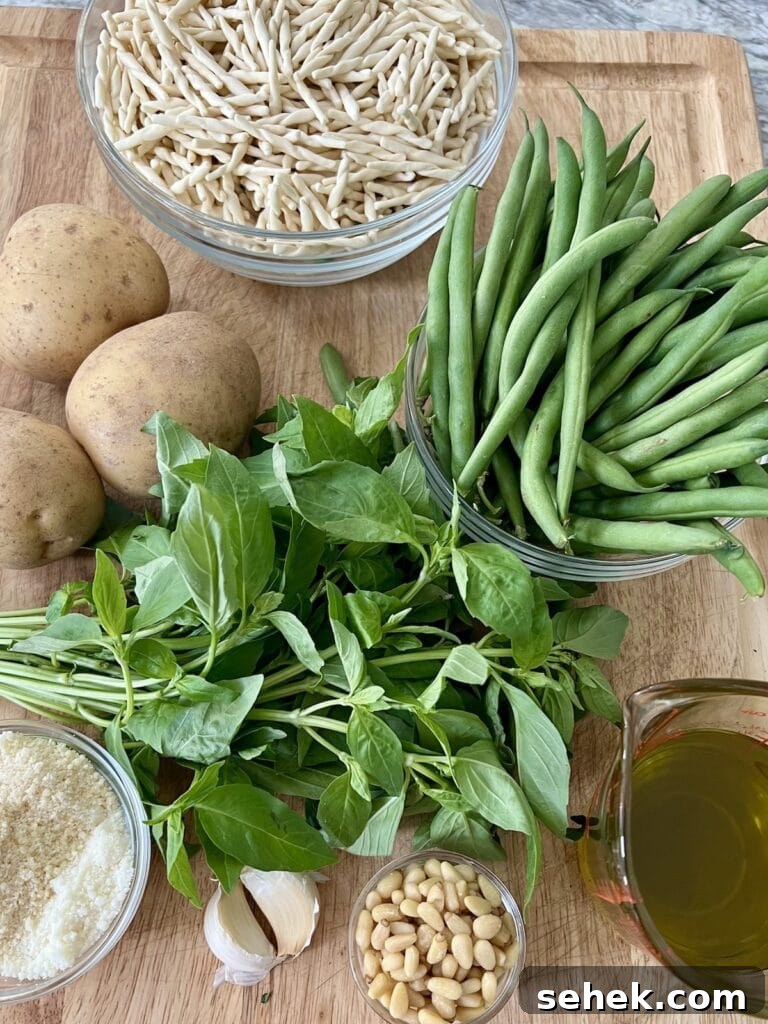
Main Ingredient Notes
Use the freshest ingredients you can find—this is a simple dish that relies on quality produce and good olive oil. Key points:
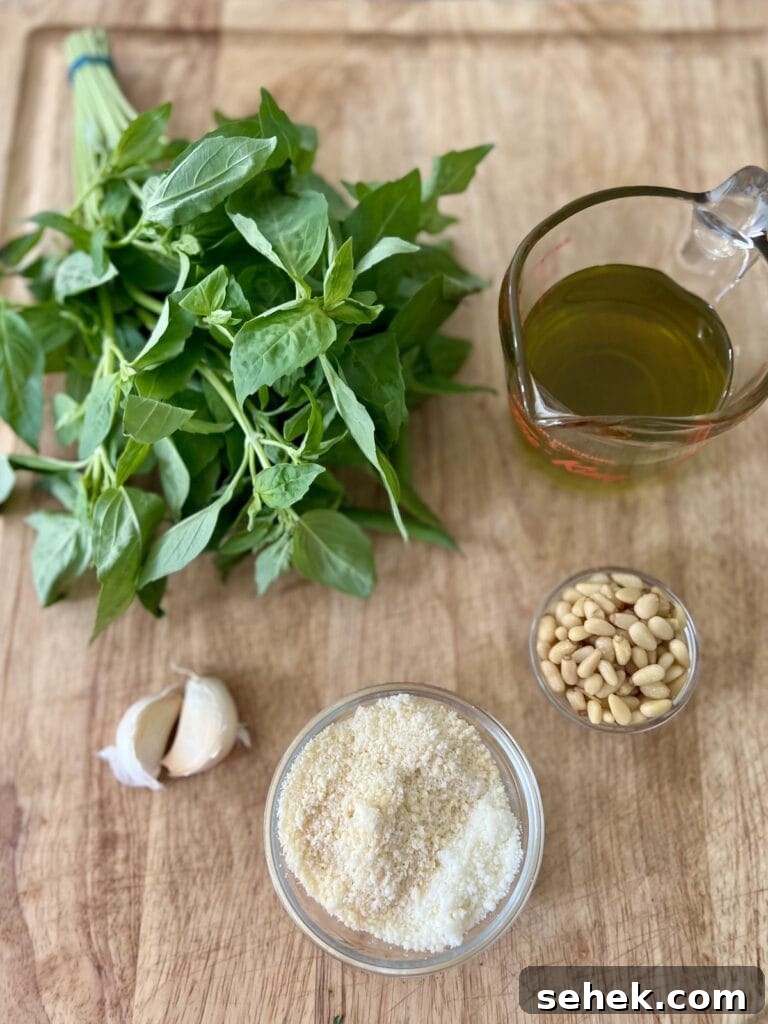
- Fresh basil: Choose sweet (Genovese) basil with bright, fragrant leaves. Dried basil is not a substitute here.
- Garlic: Raw garlic is traditional. If you prefer a milder flavor, use roasted garlic or garlic confit.
- Pine nuts: Classic in Genovese pesto, but walnuts, almonds, or pistachios work well. Toasting is optional for a nuttier flavor.
- Cheese: A mix of Parmigiano-Reggiano and Pecorino Romano adds balance—Parm gives nuttiness and umami, Pecorino adds tang and saltiness.
- Extra-virgin olive oil: Because the sauce is uncooked, use a good-quality oil for the best flavor.
- Green beans and potatoes: Use waxy potatoes (Yukon Gold or red bliss) so they hold their shape. Trim and cut green beans into uniform pieces; frozen beans can work but watch cooking time.
- Pasta: Trofie is traditional, but many short shapes—penne, fusilli, or even spaghetti—will pair nicely with pesto.
How to Make Trofie al Pesto Genovese
- Prep ingredients and bring a large pot of salted water to a boil. Trim and cut green beans; cube potatoes and hold them in cold water to prevent browning.
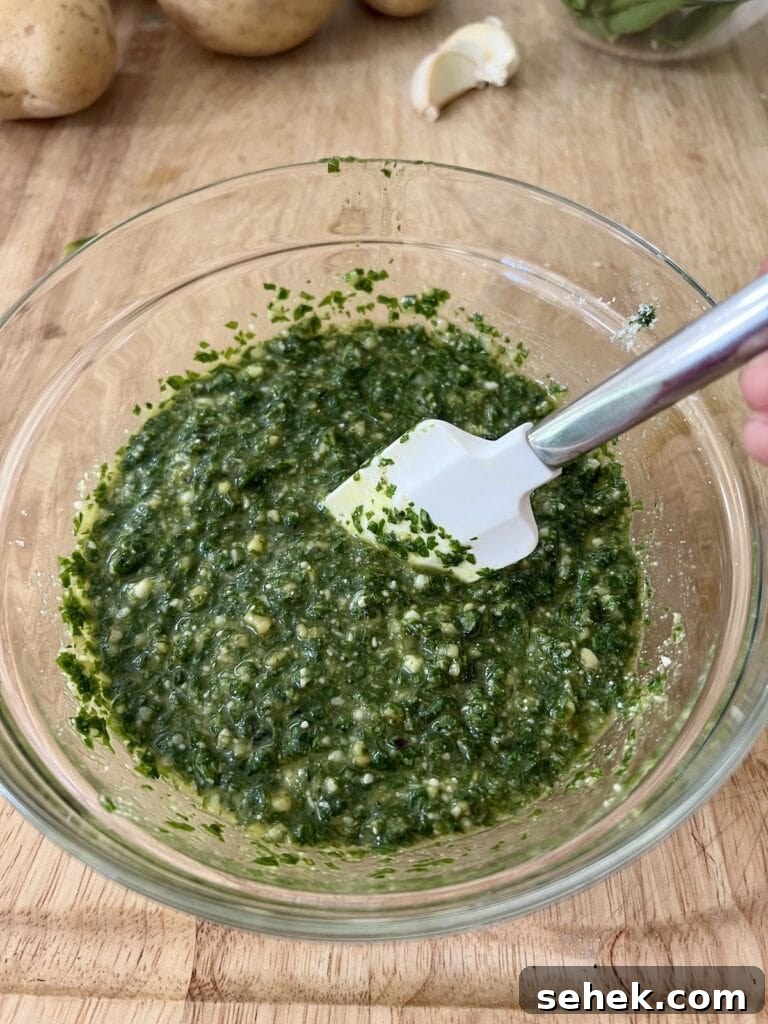
- Make the pesto: in a food processor combine basil, pine nuts, garlic and salt. Add the olive oil and pulse until everything is coarsely combined. Transfer to a bowl and stir in the grated cheeses by hand.
Pro-Tip
Pulse the pesto just until combined—the texture should remain slightly coarse, not overly smooth.
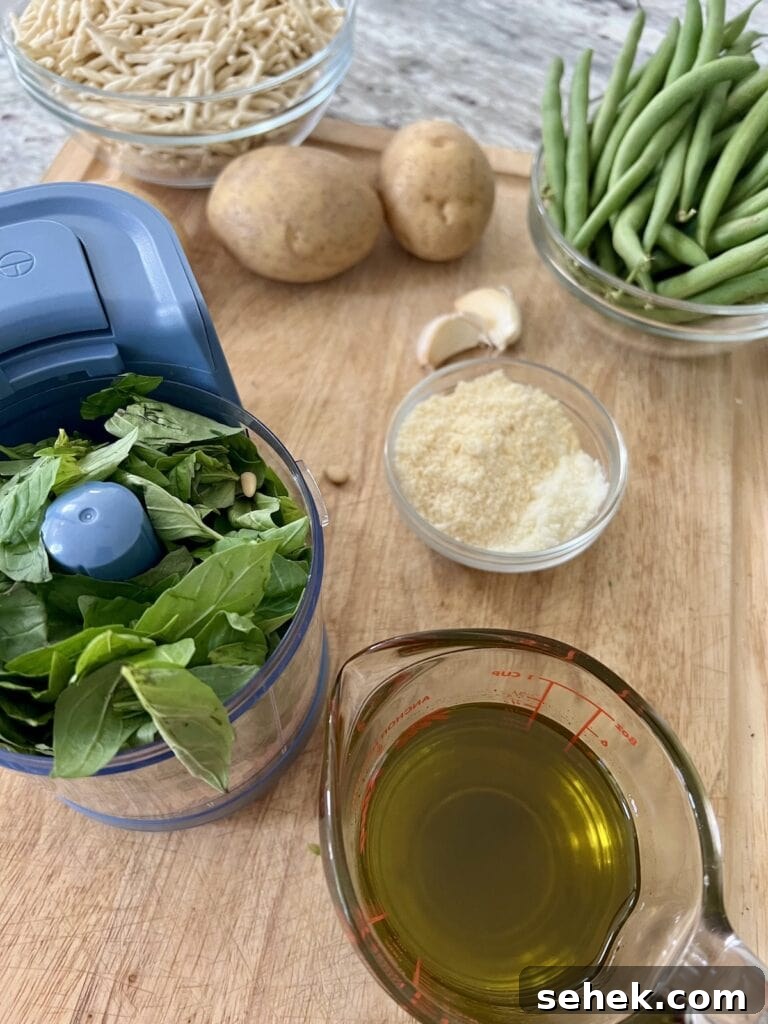
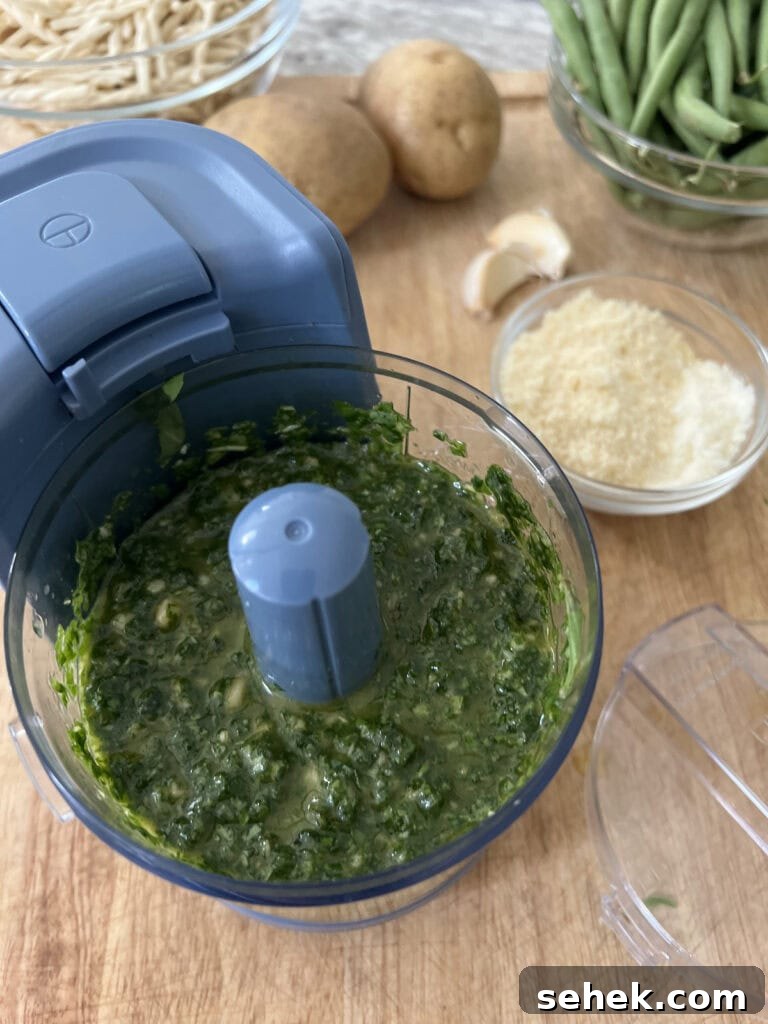
- Cook the components separately: blanch green beans until tender-crisp (about 3–5 minutes), remove and toss them into the bowl with the pesto. Next, cook the diced potatoes until just tender (about 5 minutes) and add them to the pesto and beans. Finally, cook the pasta to al dente.
Pro-Tip
You can make the pesto up to a week ahead and store it airtight in the refrigerator; bring it to room temperature before mixing with hot pasta.
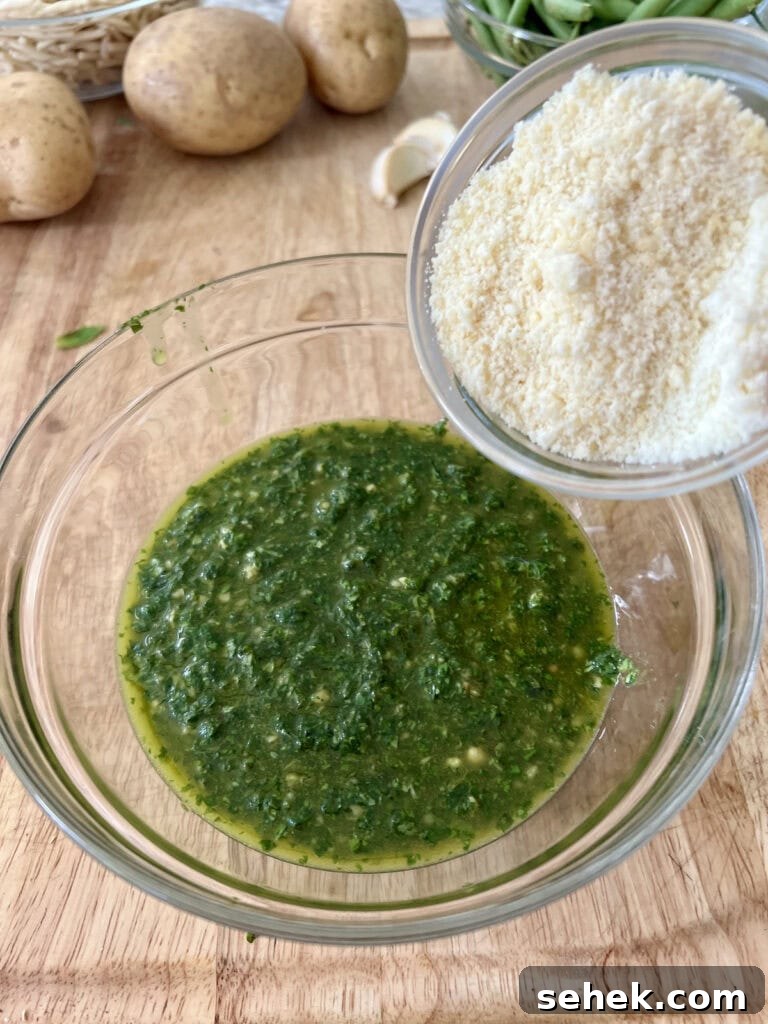
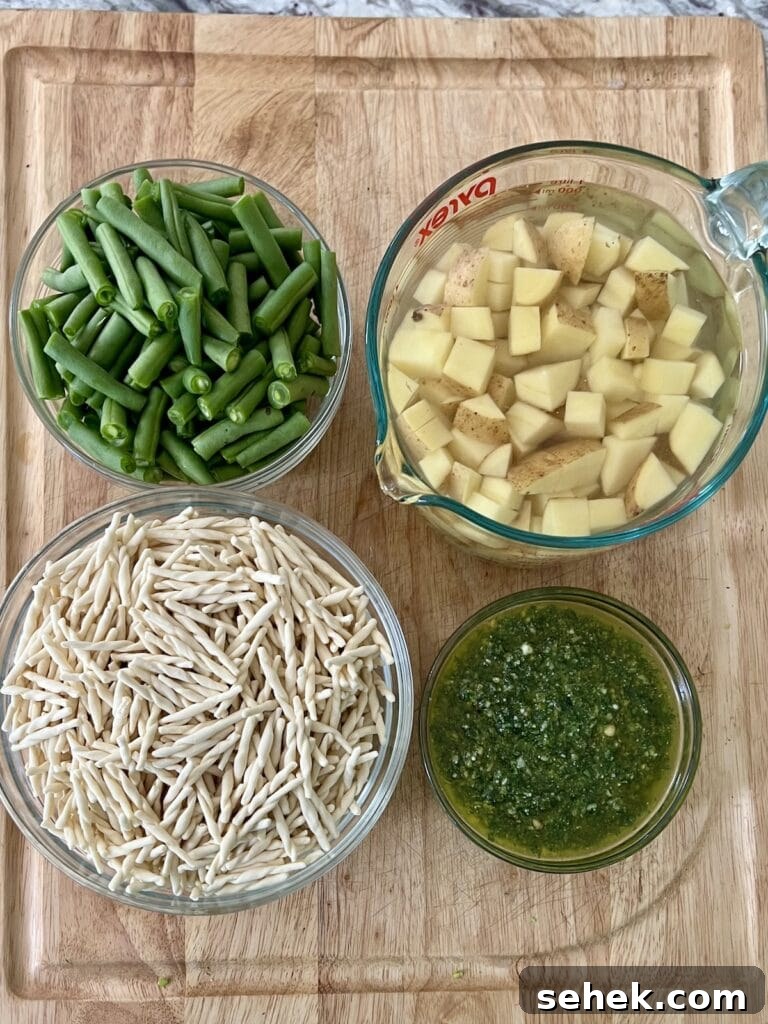
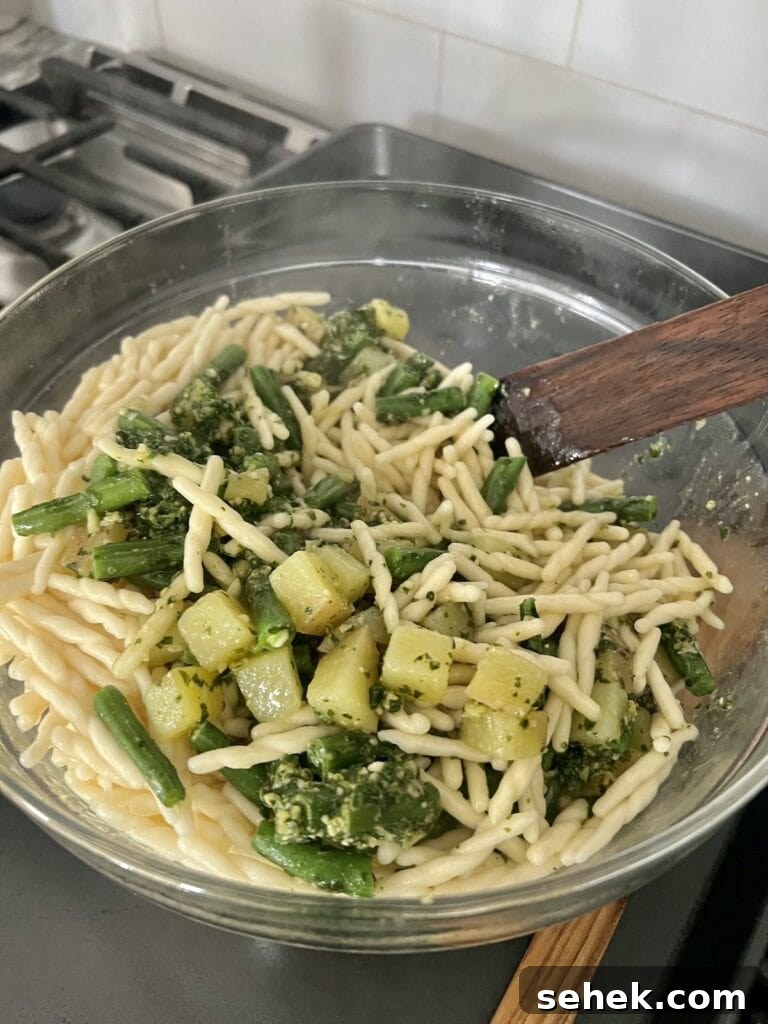
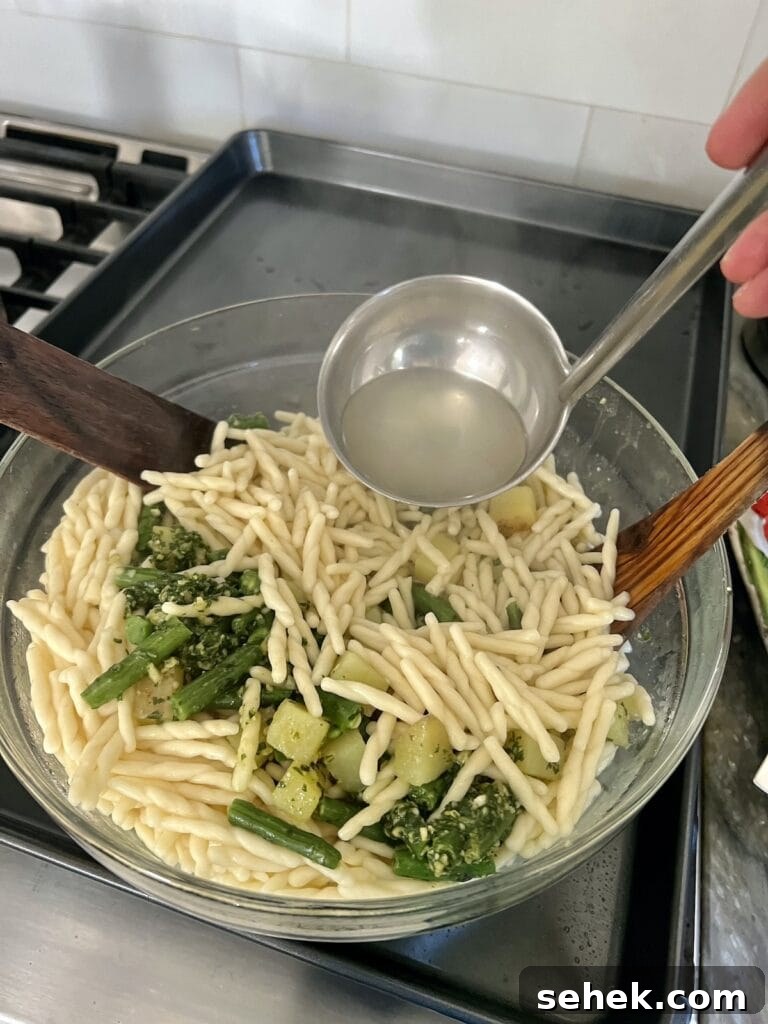
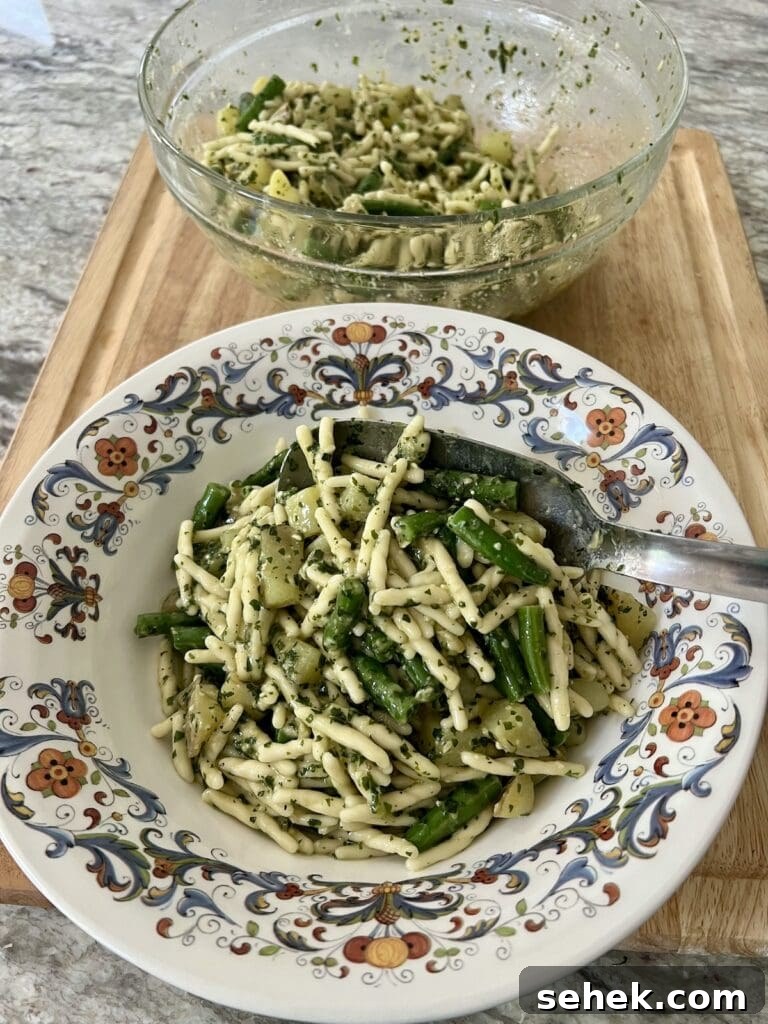
- Reserve about 1 cup of starchy pasta water before draining the pasta. Add the drained pasta to the bowl with pesto, green beans and potatoes, then toss to combine.
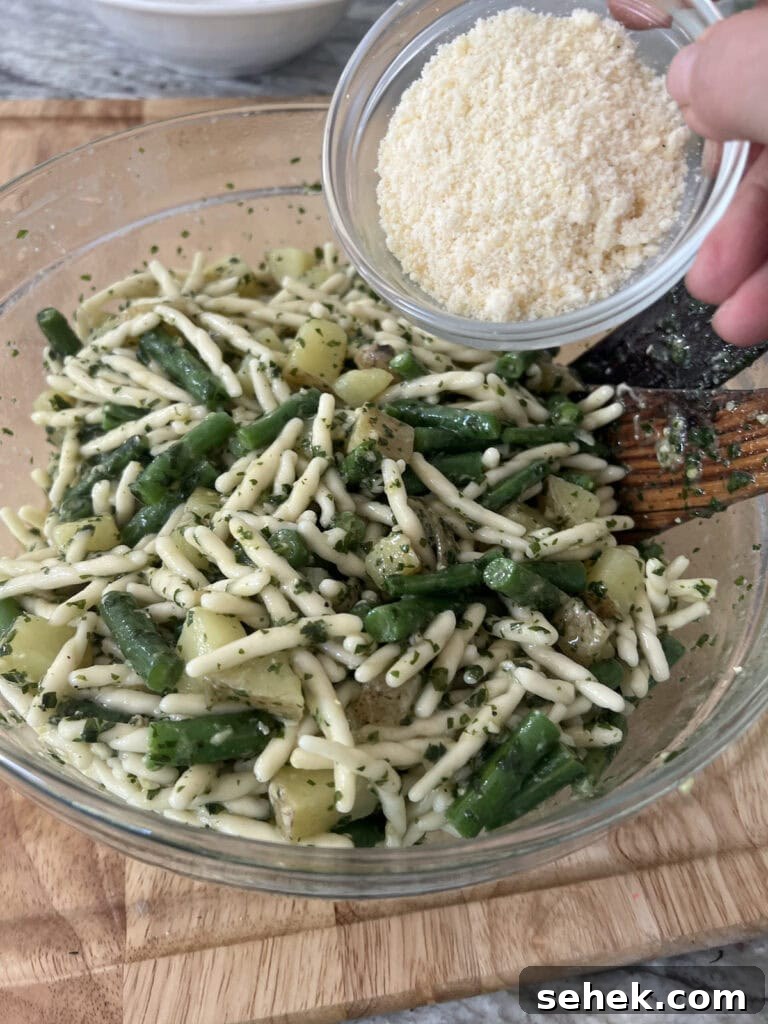
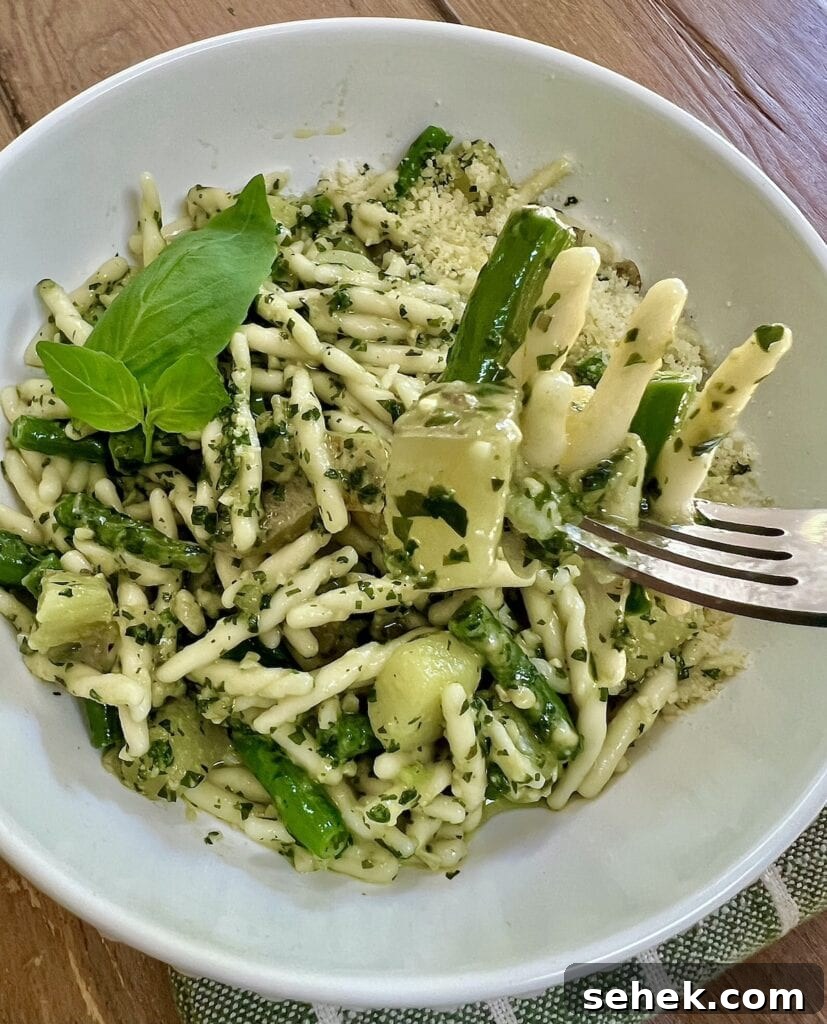
- Add reserved pasta water a little at a time, stirring until a creamy sauce forms. Finish with a drizzle of extra virgin olive oil and a final grating of Parmigiano-Reggiano.
Pro-Tip
If the sauce seems thin at first, let the dish rest a few minutes so the pasta can absorb the liquid and the sauce will thicken.
More Summer Pasta Favorites
- Spaghetti and Crabs
- Pasta Sorrentina with tomatoes, basil and fresh mozzarella
- Ricotta pasta with eggplant and tomatoes
- Vodka sauce with fresh tomatoes
- Quick grape tomato pasta
- Pasta alla Checca (no-cook tomato sauce)
- Bowtie pasta salad with tomatoes and arugula
- Pesto ricotta pasta (no-cook)
- Creamy zucchini pasta
- Casarecce alla Norma
Frequently Asked Questions
Stored airtight in the refrigerator, pesto will keep for about one week. It also freezes well for up to three months—freeze in small portions (ice cube trays work great) and transfer to a sealed container so you can defrost just what you need.
Yes. A blender will work, though the texture may be smoother. Pulse and scrape the sides frequently to avoid overprocessing; chop the garlic first for more even blending.
No. Pesto is a no-cook sauce—heating it alters the fresh flavor and texture. The warm pasta, beans and potatoes are combined with room-temperature pesto to create the finished dish.
For a different regional pesto, consider Sicilian pesto (Pesto Trapanese), which uses tomatoes and almonds as a base for a more rustic, savory flavor.
Yes. This dish is best fresh, but leftovers store well for 4–5 days refrigerated. Reheat gently in a skillet over low heat with a splash of water to restore creaminess.
It’s not recommended because each ingredient requires different cooking times; cooking them together risks overcooking the vegetables or undercooking the pasta.
Substitutions
- Swap pine nuts for walnuts, almonds, or pistachios, or use seeds (sunflower or pumpkin) to make it nut-free.
- Frozen green beans or haricots verts are acceptable—adjust blanching time as needed.
- If you don’t have Pecorino, use extra Parmigiano-Reggiano; Grana Padano is an acceptable substitute for Parmigiano if needed.
TOP TIPS for Trofie al Pesto Genovese
- Keep the pesto raw: Do not cook the pesto—its fresh flavor is the key to the dish.
- Cook pasta to al dente: Unlike some sauced pastas, this recipe requires truly al dente pasta because it won’t continue cooking after mixing.
- Use pasta water: The starchy water helps emulsify the pesto into a creamy sauce—add it gradually until the desired consistency is reached.
- Make ahead: Pesto stores well in the fridge for up to a week; freeze extra portions for later use.
Trofie al Pesto Genovese with Green Beans and Potatoes
Ingredients
For the Pesto (makes about 1¼ cups)
- 2 cups fresh basil leaves, fairly packed (about 2 ounces leaves)
- 3 Tbsp pine nuts (about 1 ounce)
- 1 heaping tsp chopped garlic (about 2 medium cloves)
- ¼ tsp salt, or to taste
- ¾ cup extra virgin olive oil
- ¼ cup grated Parmigiano-Reggiano
- 2 Tbsp grated Pecorino Romano
For the Pasta
- 1¼ cups pesto (from above)
- Salt for boiling water
- 12 ounces green beans, stems trimmed and cut into 1½” pieces
- 1 pound Yukon Gold potatoes, cut into ½-inch cubes (no need to peel)
- 1 pound trofie pasta (or your favorite shape)
- About ¼ cup grated Parmigiano-Reggiano for finishing
- About 3 Tbsp extra virgin olive oil for finishing
Instructions
- Prep and gather ingredients and bring a large pot of water to a boil.
- Optional: to reduce browning, blanch basil for 10 seconds and plunge into ice water; dry completely before making pesto.
- Make the pesto: combine basil, pine nuts, garlic and salt in a food processor. Pour in olive oil and pulse until coarsely combined. Transfer to a bowl and stir in the grated cheeses by hand. Taste and adjust seasoning.
- Cook the green beans in boiling salted water until tender-crisp, about 3–5 minutes. Remove and toss into the bowl with the pesto.
- Cook the potatoes until just tender, about 5 minutes. Remove and add to the bowl with pesto and green beans.
- Cook the pasta to al dente, reserving about 1 cup of pasta water. Drain and add the pasta to the bowl with pesto, green beans and potatoes.
- Toss to coat and add reserved pasta water a little at a time until a creamy sauce forms. If needed, let the pasta sit a few minutes to absorb liquid.
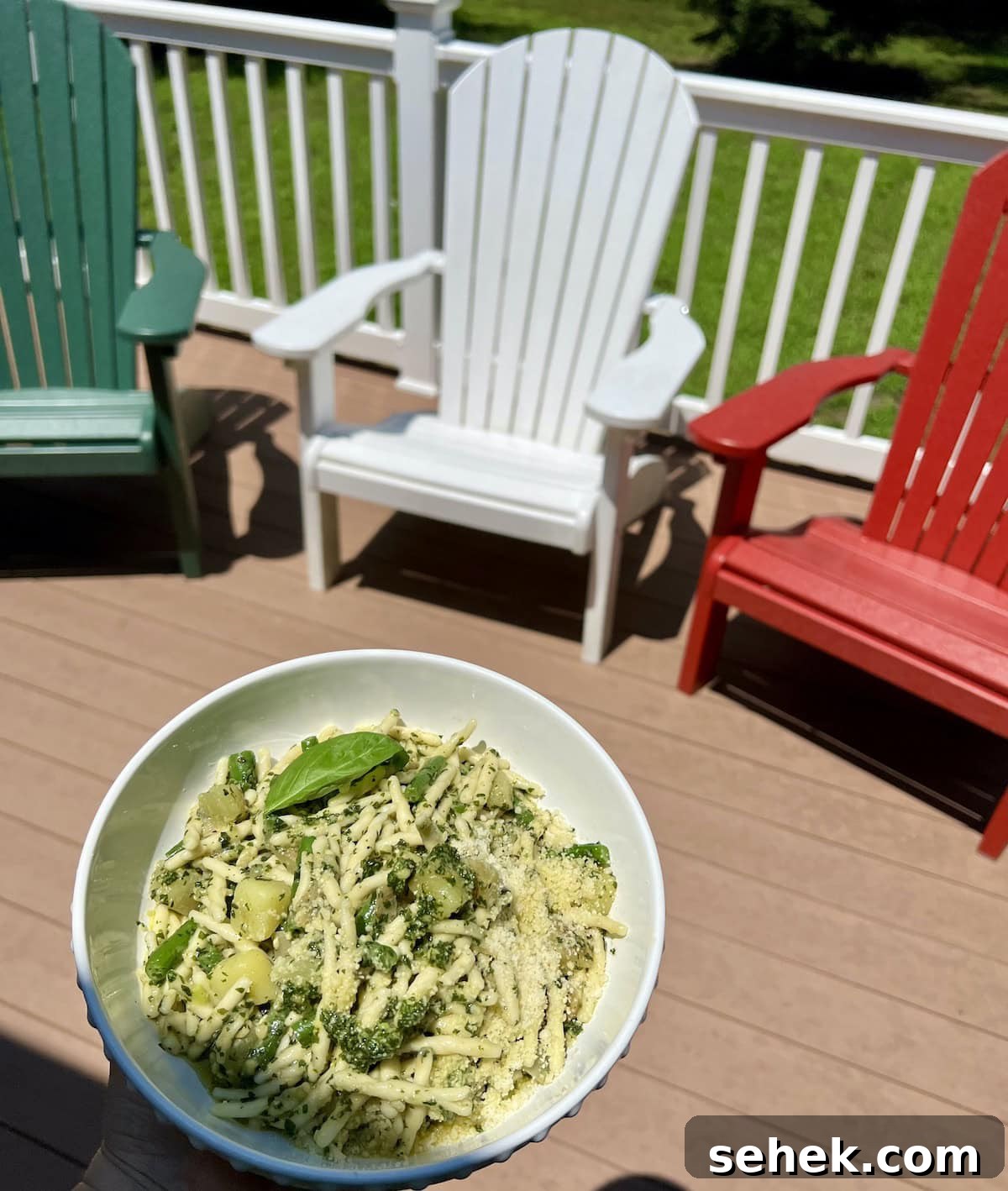
- Finish with extra olive oil and a final grating of Parmigiano-Reggiano. Serve warm. Buon appetito!
Notes
- This recipe makes about 1¼ cups of pesto—perfect for 1 pound of pasta. Double or triple the pesto to freeze extras for later use.
- To avoid a gummy pesto, add the cheeses after processing the basil mixture and stir them in by hand.
- Use waxy potatoes (Yukon Gold or red bliss) so they hold their shape. Avoid russets for this dish.
- Leftovers keep 4–5 days refrigerated; reheat gently with a splash of water to restore texture.