It was the second week of a food literacy class at Capitol Heights Academy, a public charter school located in a food desert in Sacramento, California. Ninety-one percent of the students receive free or reduced-price lunch. Some children were on their third year of food literacy lessons; for a few, this was their very first class.
Shanee sat across from Gage. The two third-graders and their classmates were preparing a salad featuring the Veggie of the Year: sweet potatoes. Other ingredients were arranged along the table: baby kale, raisins, and apples.
“I hate vegetables,” Shanee said, pouting.
“That’s too bad,” I replied. “Your friends across the table love their vegetables. They eat them every day in food literacy class.”
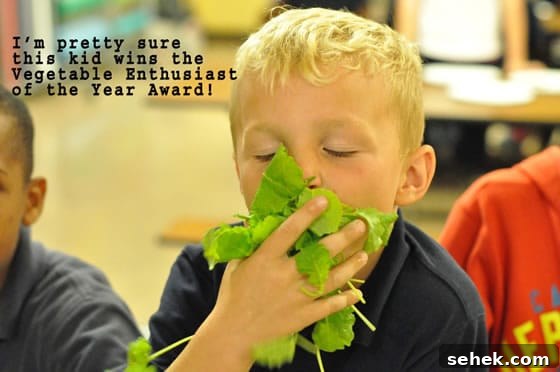
As if on cue, Gage reached into the middle of the table, grabbed a fistful of kale and popped it into his mouth.
Seconds later, Shanee carefully picked up a piece of kale, inspected it, and tried it. By the end of class she had finished her plate and was smiling.
This kind of joyful vegetable eating is the goal of the Food Literacy Center, the nonprofit I founded to teach K–5 students about cooking, nutrition, and where food comes from.
Parents often ask for advice on getting their children to eat healthier. These are the methods we use in our classes; they work at home if you make the time. Below are my top three tips for teaching food literacy to kids.
1. Have Fun!
Food marketers know something important: if you want kids to try something, make it fun. You don’t need to wear a vegetable costume (though I have on occasion), but bring enthusiasm to the kitchen and the table.
Cooking itself can be joyful for children. Show excitement about the foods you’re introducing. Share interesting facts—something playful or surprising helps. For example, point out unusual uses for a grain or a fun story about a fruit. Visuals also help: color pictures of the food you want them to try.
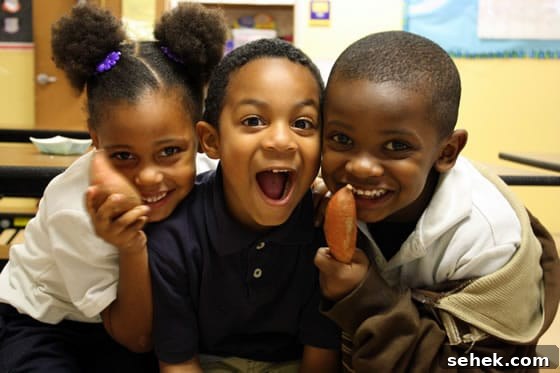
Include kids in the process as much as possible. The more involved they are—choosing, preparing, and serving—the more likely they are to take a bite and enjoy it.
2. Use Positive Reinforcement
Avoid negative language about foods you’d like children to eat. Assume they will like it and tell them why you enjoy it. Praise them when they try something new.
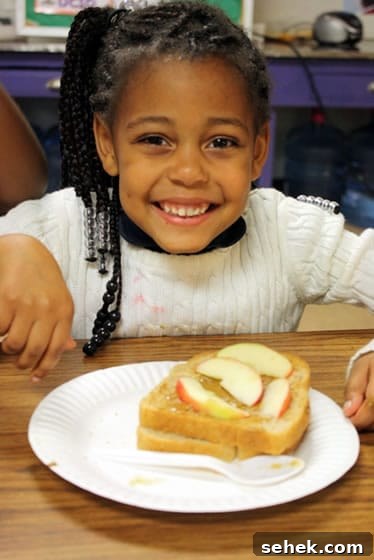
In class, we focus on small successes instead of criticizing choices. If a child eats a peanut butter and jelly sandwich, we celebrate that and suggest a simple addition—like apple slices—to boost nutrition. Then we ask the kids to brainstorm why the addition might be a good idea: Does it add fiber? More vitamins? What else could go in the sandwich? Encouraging kids to generate ideas boosts ownership and curiosity (once they made kiwi and sun butter sandwiches—an idea they invented).
When dealing with junk food, ask children whether that food is something our bodies need a lot of or a little of. Let them show the portion they think is healthy and then compare it with a healthier option. Hands-on comparisons help solidify learning and create opportunities for praise when they make smarter choices.
3. Make It Practical
Keep changes small and manageable. Don’t bring home a basket of five unfamiliar vegetables and expect kids to eat them all at once. Instead, involve them in shopping or at a farmers market and let each child pick one new fruit or vegetable to try. Bring it home and taste it together.
Turning discovery into an adventure makes learning fun and sustainable. Over time, repeated positive experiences expand a child’s palate and help develop lifelong healthy habits.
This year, the California Food Literacy Center joined the Jamie Oliver Food Foundation and Food Day to support the Food Education in Every School campaign, a coordinated effort to address childhood obesity. In Sacramento, we launched a fundraising drive to expand food literacy education to additional schools.
Inviting a child to cook with you is one of the simplest ways to teach food skills. October’s Food Day and October Unprocessed events are great moments to start cooking from scratch together.
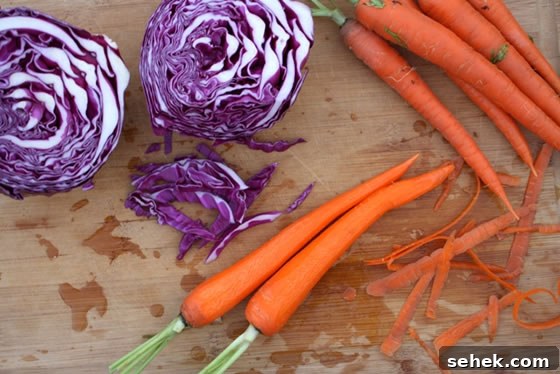
A colorful, hands-on salad is an easy recipe to get kids excited about vegetables. We made this Carrot & Raisin Citrus Salad with 120 students at Capitol Heights Academy; they enjoyed assembling their own plates. The mix of colors, textures and natural sweetness from carrots, cabbage and orange juice appeals to kids and families alike. The salad offers vitamins, antioxidants, fiber and bright flavor.
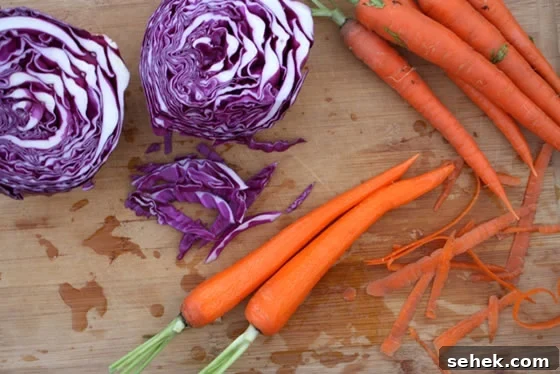
Carrot & Raisin Citrus Salad
Rate Recipe
Print Recipe
Ingredients
- 1/4 cup carrots, peeled and grated
- 1/4 cup purple cabbage, shredded
- 2 tablespoons raisins
- 1 tablespoon orange juice, or juice from half a large orange, squeezed
Instructions
Instructions for parents/teachers:
-
Peel and grate the carrots. Use a knife to shred the cabbage.
Instructions for kids:
-
Put the carrots, cabbage, and raisins in a medium serving bowl. Pour the freshly squeezed orange juice over top. Toss together. Eat!
Notes
Nutrition
Like this recipe? Rate and comment below!