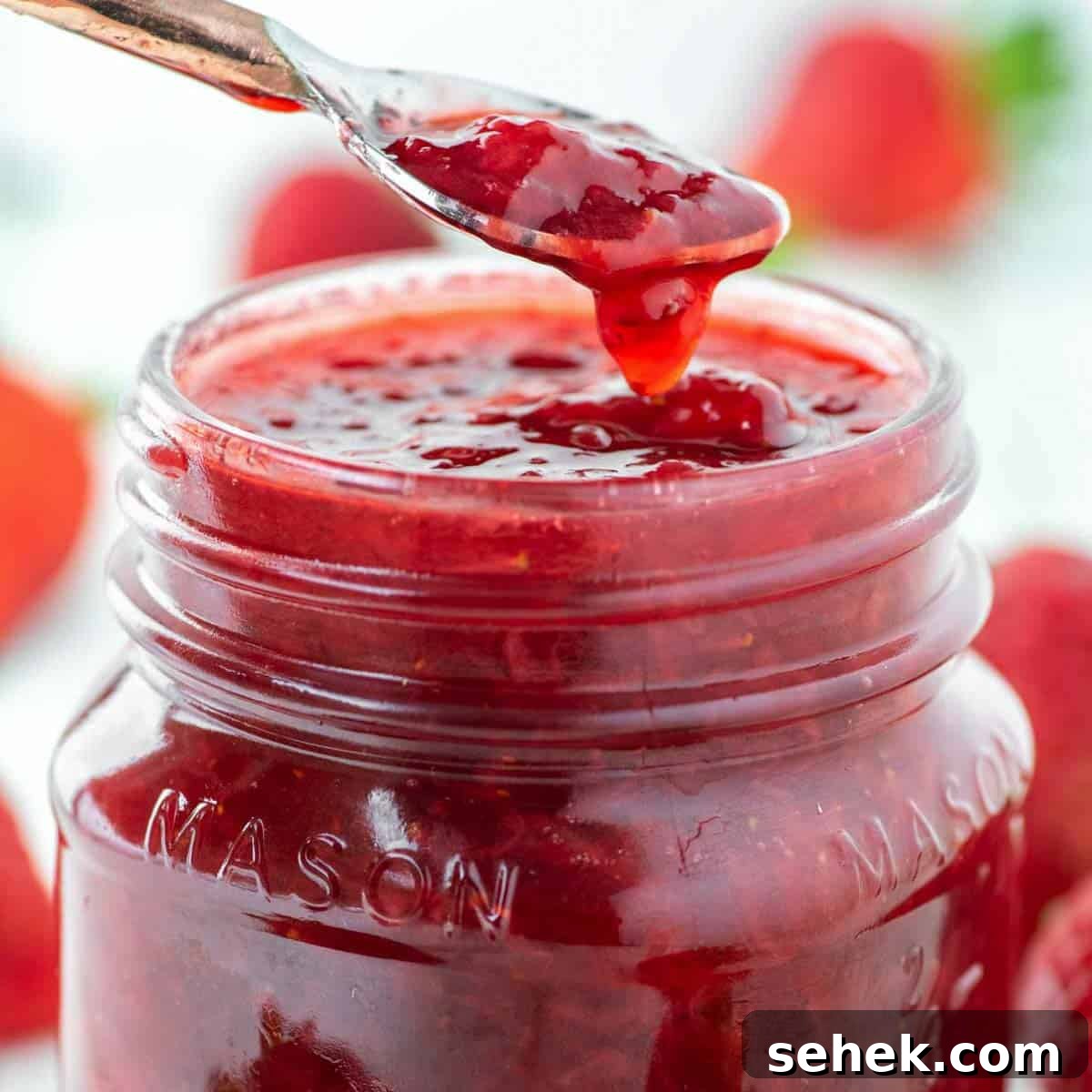
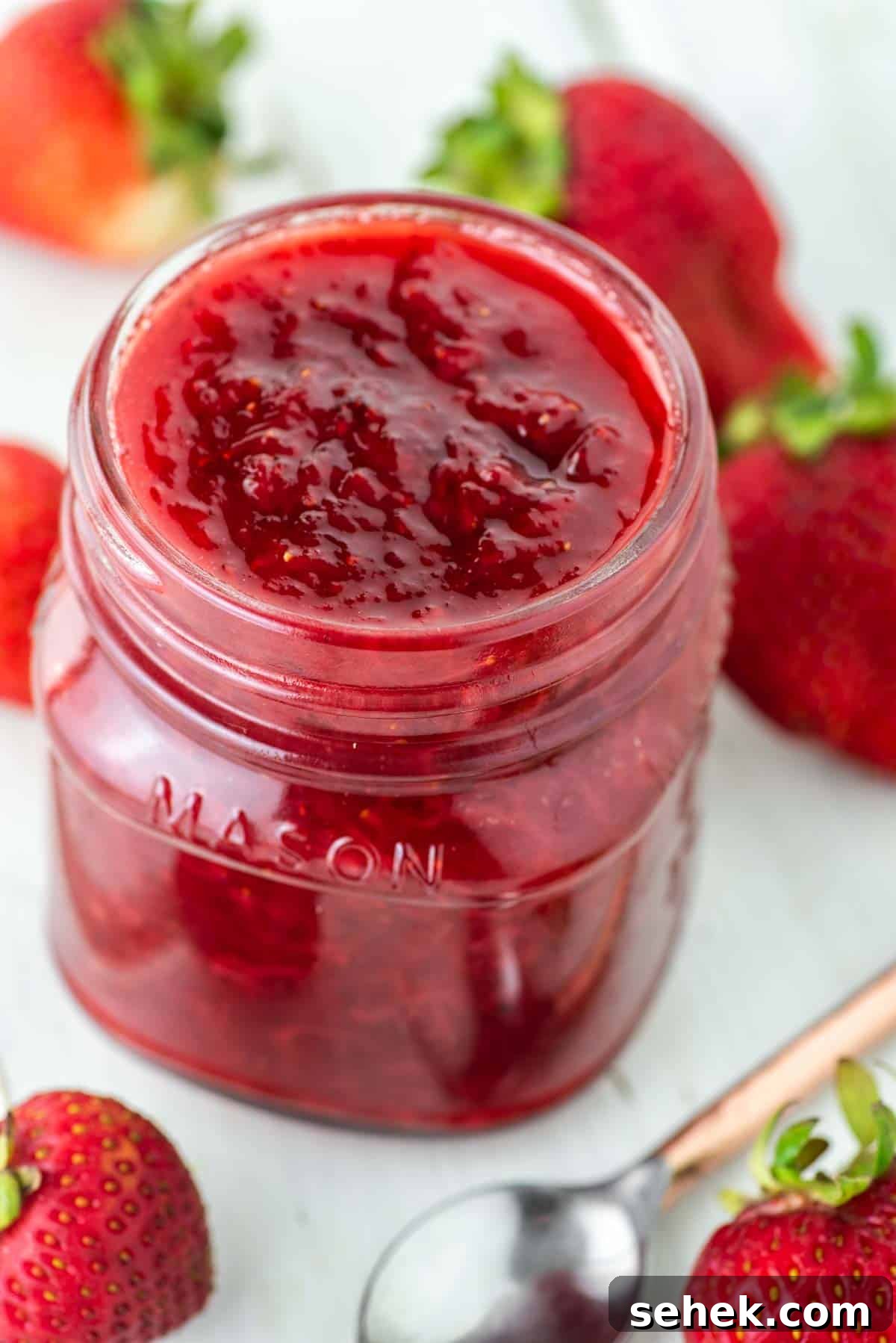
Enjoy the fresh taste of summer with this low sugar strawberry jam recipe — sweet, fruity, and made with just a few simple ingredients. Perfect for spreading, swirling, or spooning without the sugar overload.
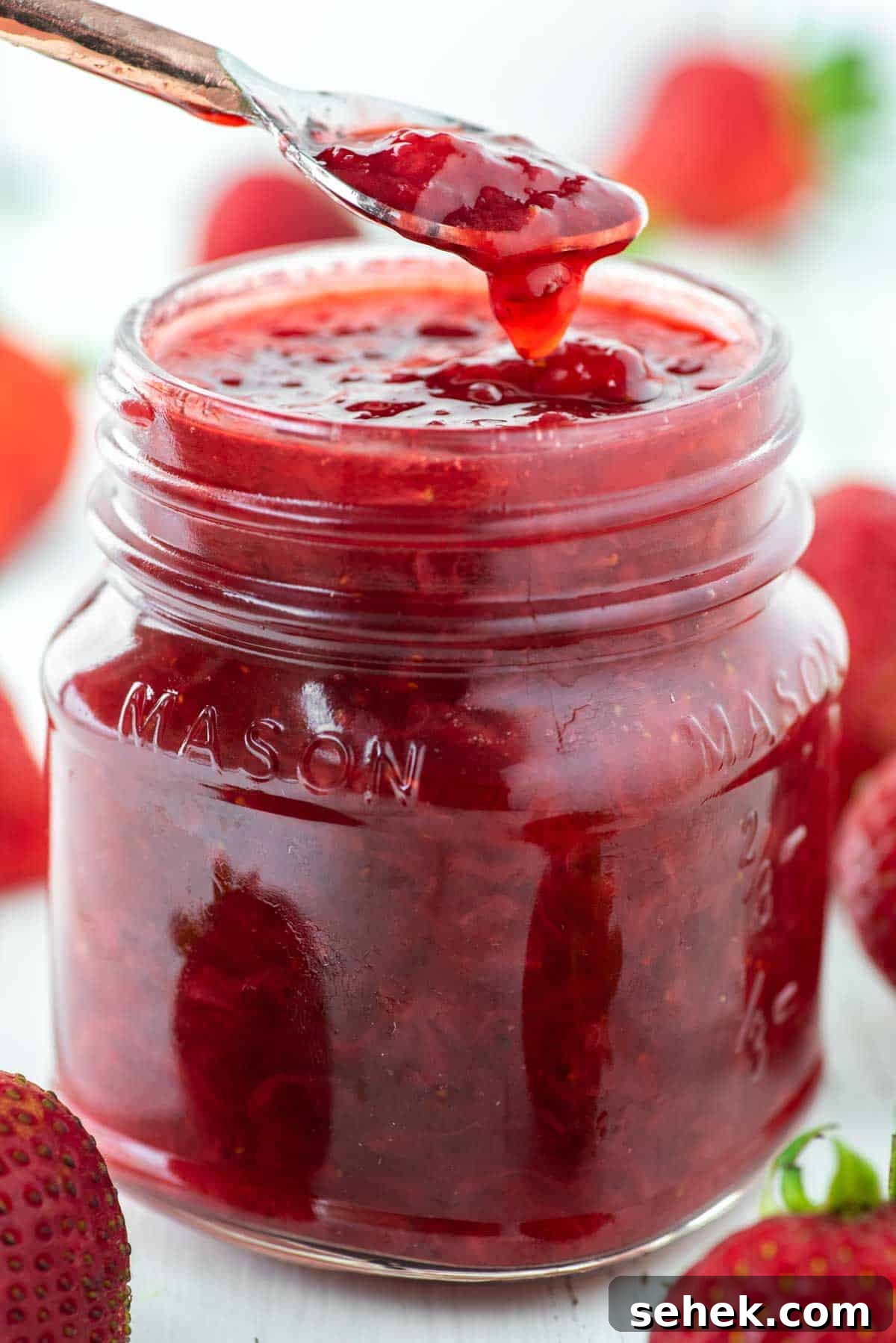
I followed this recipe as written and it turned out phenomenal. I used strawberries picked that day. It’s so nice not to use pectin or so much sugar. The texture was perfect — be sure to simmer/boil for the full 15 minutes. I will be making this again!
– Chloe
I love homemade jam — from mango and pumpkin to apple-and-pear or even bacon jam. But strawberry jam remains a classic favorite. Many store-bought and traditional recipes use a 1:1 ratio of sugar to fruit, which historically helped preserve the fruit by reducing water activity and slowing microbial growth.
When you make jam at home you control the sweetness. Ripe strawberries are naturally sweet, so you don’t need excessive sugar to get great flavor. This low sugar strawberry jam recipe highlights fresh fruit and uses just a few ingredients for a bright, balanced result.
What Makes This Jam Recipe Unique
- Natural sweetness: Uses the inherent sweetness of ripe strawberries, so you can cut back on sugar and let the fruit shine.
- No added pectin: Achieves a jam consistency using lemon juice and proper cooking rather than commercial pectin.
- Canning-ready instructions: Includes clear guidance for sealing jars so the jam can be stored long-term if desired.
Ingredients Notes
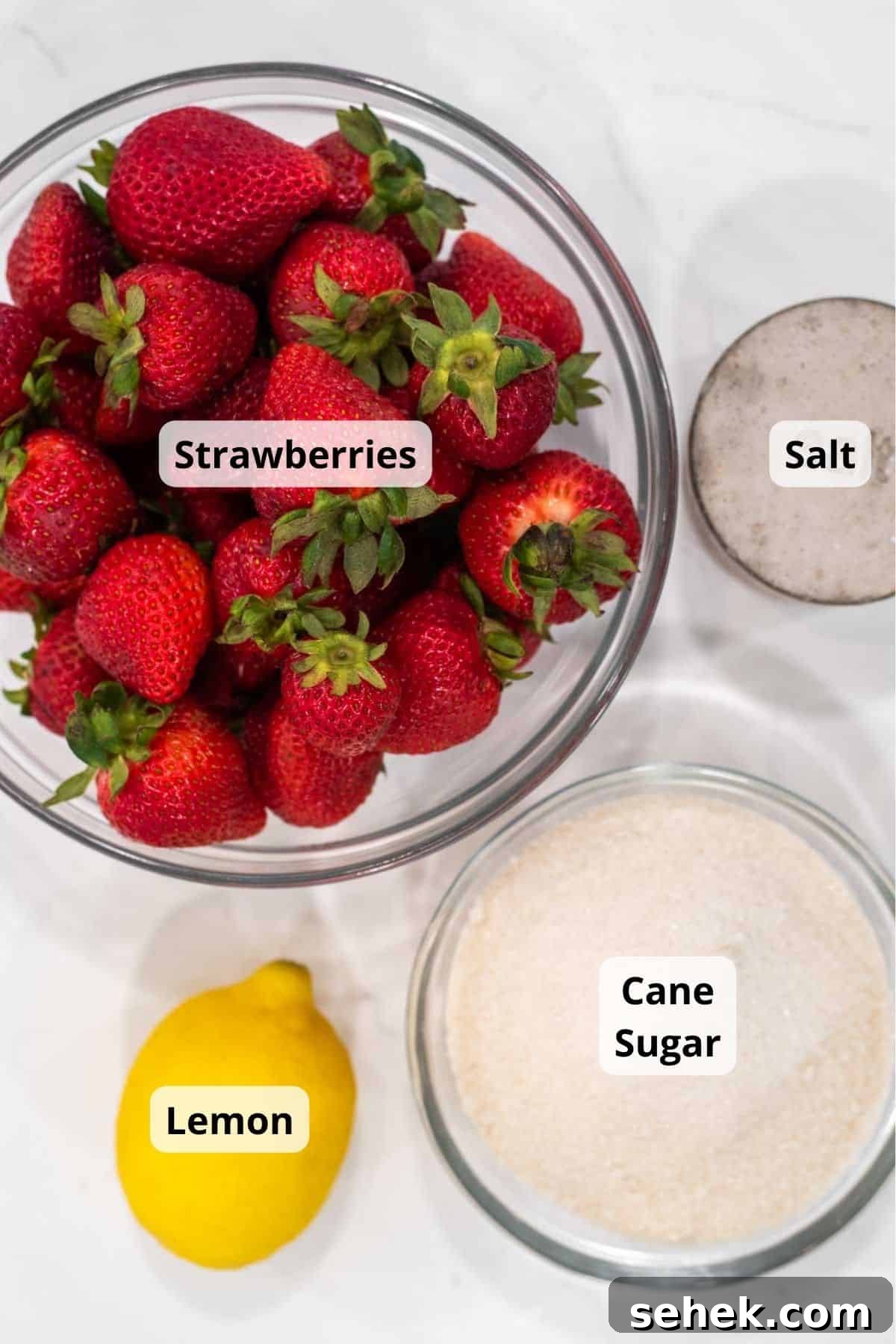
- Strawberries: Use ripe, unblemished strawberries for the best flavor and texture. Hull and wash them well. This method also works with other berries.
- Sugar: Organic cane sugar adds a touch of molasses flavor and helps with preservation and setting. Granulated white sugar works too, but cane sugar gives a richer taste.
- Lemon juice: Adds acidity to help the jam set and balance sweetness while enhancing strawberry flavor.
- Sea salt: A pinch of salt boosts the overall flavor and rounds out the sweetness.
How to Make Low Sugar Strawberry Jam
See the recipe card below for exact quantities and full instructions.
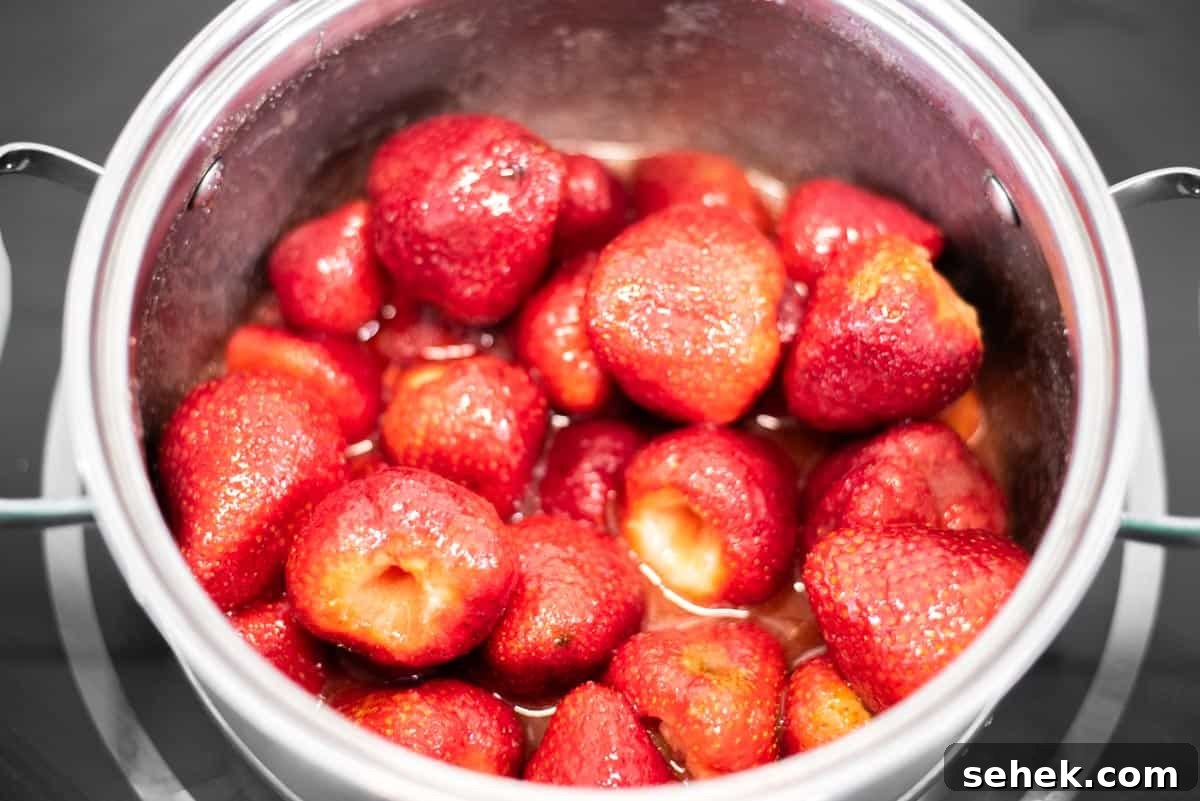
Step 1: In a large saucepan combine the strawberries, sugar, and lemon juice. Heat over medium-low, stirring until the sugar dissolves.
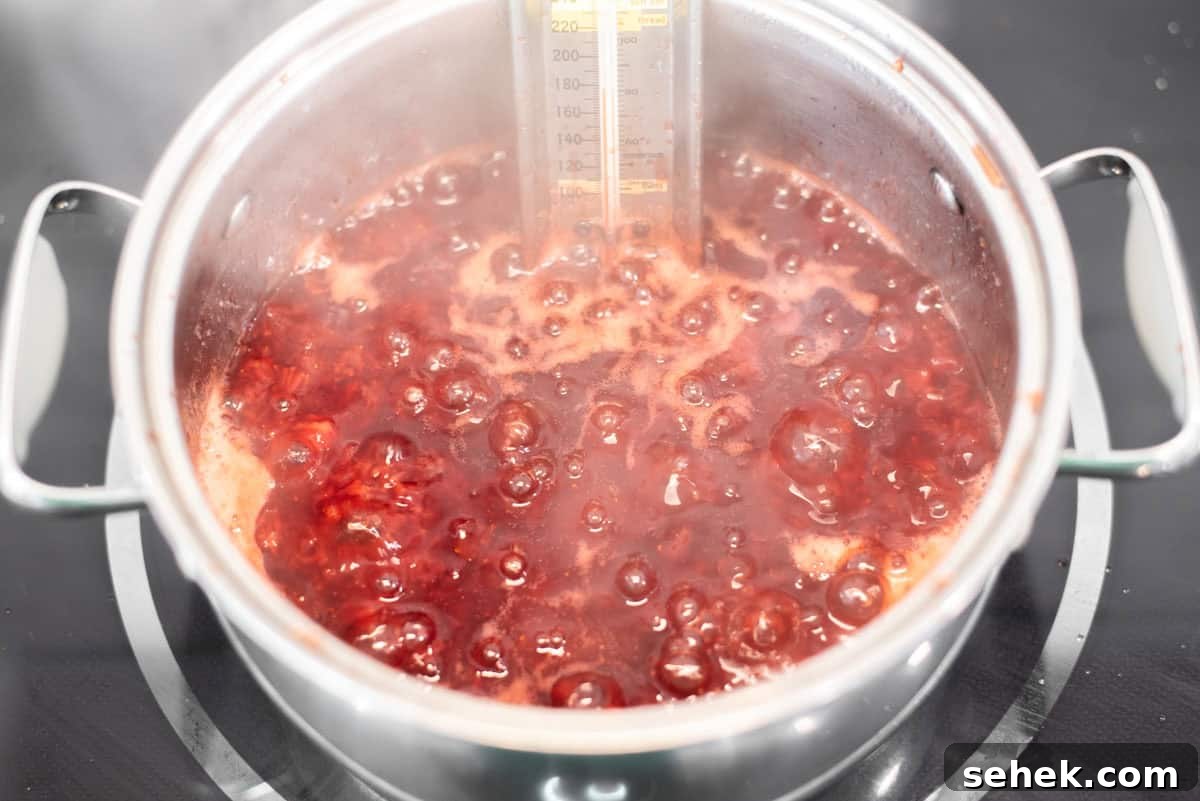
Step 2: Increase heat to medium-high and bring the mixture to a boil. Continue to boil, stirring occasionally, as it thickens.
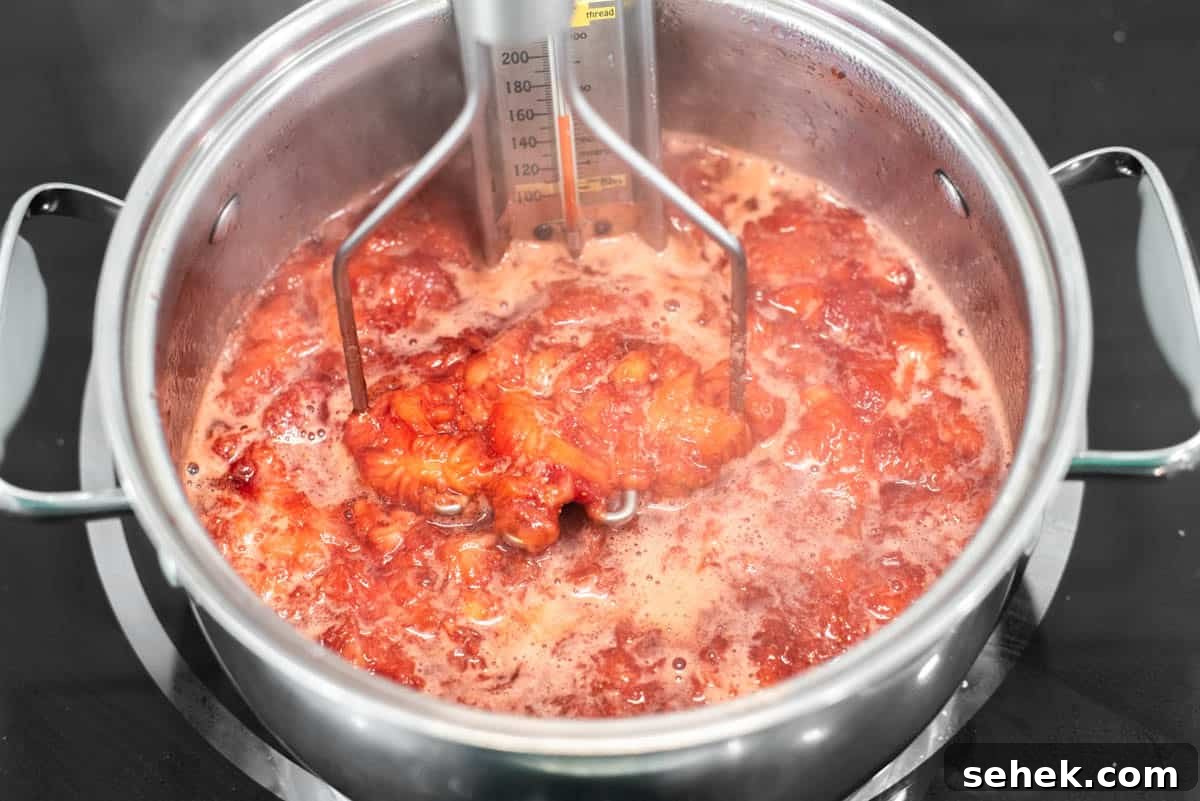
Step 3: Mash the strawberries to your preferred texture and boil for about 15 minutes, or until thickened. If using a thermometer, the jam is ready at 220°F. Stir in the salt, then transfer the jam to jars and let cool.
How to Can Homemade Jam
If you plan to preserve the jam for later, follow a basic water-bath canning process to extend shelf life. Properly sealed jars can keep up to two years unopened.
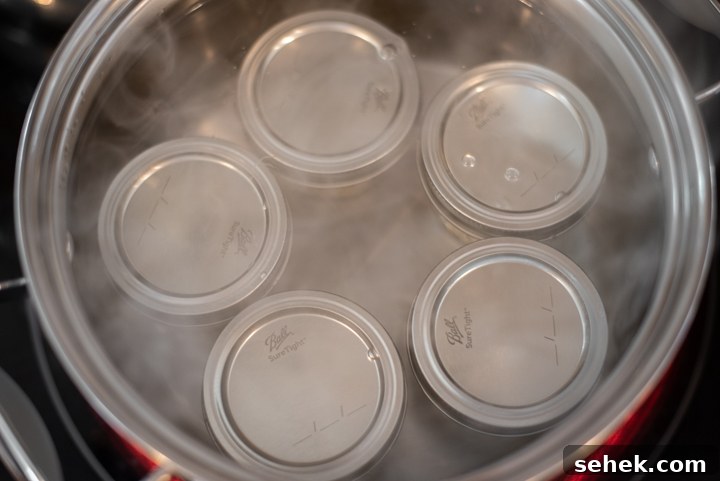
Wash jars and lids in warm, soapy water. Sterilize jars by boiling them for at least 10 minutes; remove from the water when ready to fill. Do not boil the lids, as this can harm the sealing compound.
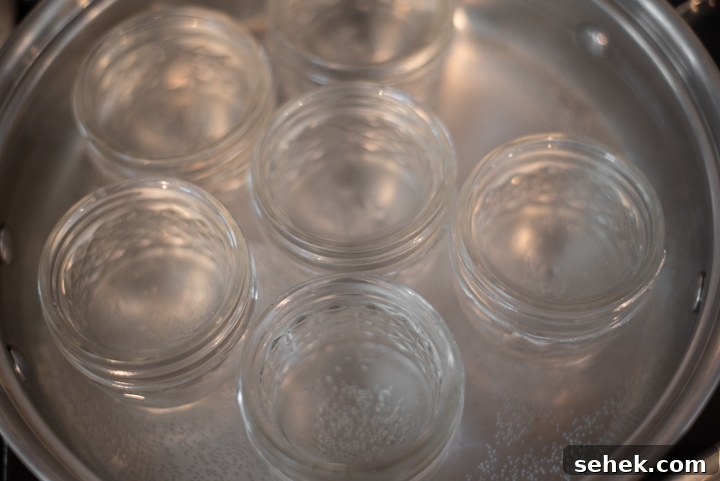
To can: remove a hot jar, dry it quickly, and fill with hot jam leaving headspace. Wipe the rim, apply the lid, and screw the ring finger-tight. Place jars in a pot of boiling water with at least 1 inch of water covering them and boil for 10 minutes. Remove jars and let cool undisturbed for 24 hours.
Check seals by pressing the center of each lid — if it doesn’t flex, the jar is sealed. Store sealed jars in a cool, dark place. Once opened, refrigerate and use within about one month.
Jam FAQs
Yes. Thaw frozen strawberries completely and drain excess liquid before using to avoid watering down the jam.
Lemon juice provides acidity that helps the jam set and improves safety by inhibiting bacterial growth. It also balances sweetness and brightens the flavor.
No. The combination of sugar, lemon juice, and sufficient cooking time helps the jam reach a gel-like consistency without commercial pectin.
Use the cold plate test: chill a plate, spoon a bit of jam onto it, and tilt. If it runs slowly or wrinkles when pushed, it’s set. A candy thermometer reading of 220°F is another reliable indicator.
Properly canned and sealed jars can last up to two years unopened. Once opened, keep jam refrigerated and use within about one month.
Pro Tips / Recipe Notes
- Use fresh, undamaged strawberries — bruised fruit can cause the jam to spoil faster.
- Make jam when strawberries are in season for the best flavor. Properly sealed jam can last up to two years.
- High-quality cane sugar is preferred for flavor and helping low-pectin fruits set, though granulated sugar will work.
- Lemon juice is important for acidity and setting the jam.
- Always use clean, sterilized jars to avoid contamination.
Other Recommended Strawberry Recipes
-
Strawberry Glazed Donuts
-
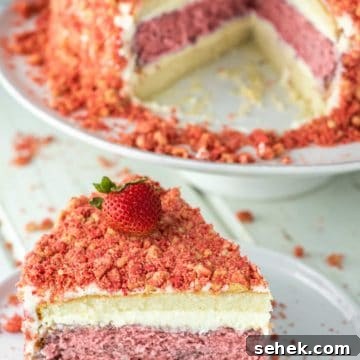
Strawberry Crunch Cake
-
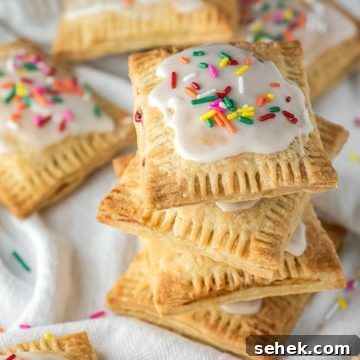
Strawberry Pop Tarts
-
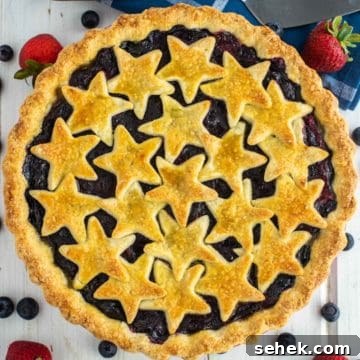
Strawberry Blueberry Pie

If you’ve tried this low sugar strawberry jam recipe or any other recipe on Chisel & Fork, please let me know how it turned out in the comments below!
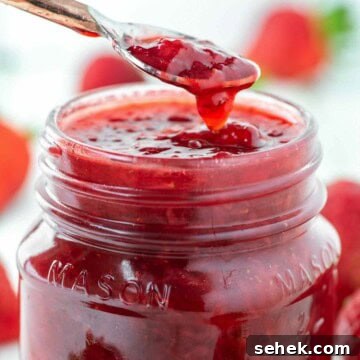
Low Sugar Strawberry Jam
Ryan Beck
Pin Recipe
Ingredients
- 2 lbs fresh strawberries, hulled
- 1 ½ cups organic cane sugar
- ¼ cup lemon juice
- ⅛ teaspoon sea salt
Instructions
- Heat a large saucepan over medium-low heat. Add the strawberries, sugar, and lemon juice and stir until the sugar dissolves.
- Increase heat to medium-high and bring the mixture to a boil. Continue to boil for about 15 minutes, or until thickened. If using a candy thermometer, cook until it reaches 220°F. Remove from heat and stir in the salt.
- Transfer the jam to a jar and let cool to room temperature. Store in the fridge and use within one month.
- To can for longer storage: ladle hot jam into sterilized jars, seal with lids and rings, and process in boiling water with at least 1 inch of water covering jars for 10 minutes. Remove, cool for 24 hours, then store in a cool, dark place. Once opened, refrigerate and use within one month.
Notes
- Fresh, undamaged strawberries are key to preventing premature spoilage.
- Cane sugar and lemon juice help low-pectin fruits like strawberries set without added pectin.
- Use the cold plate test to check setting: if the jam wrinkles when pushed, it’s ready.
- Always use clean, sterilized jars to avoid contamination.
Nutrition
Calories: 43 kcal
Carbohydrates: 11 g
Fiber: 1 g
Sugar: 10 g
Vitamin C: 14.9 mg
Sodium: 14 mg
Tried this recipe?Leave a comment or mention @ChiselandFork and tag #chiselandfork on Instagram!