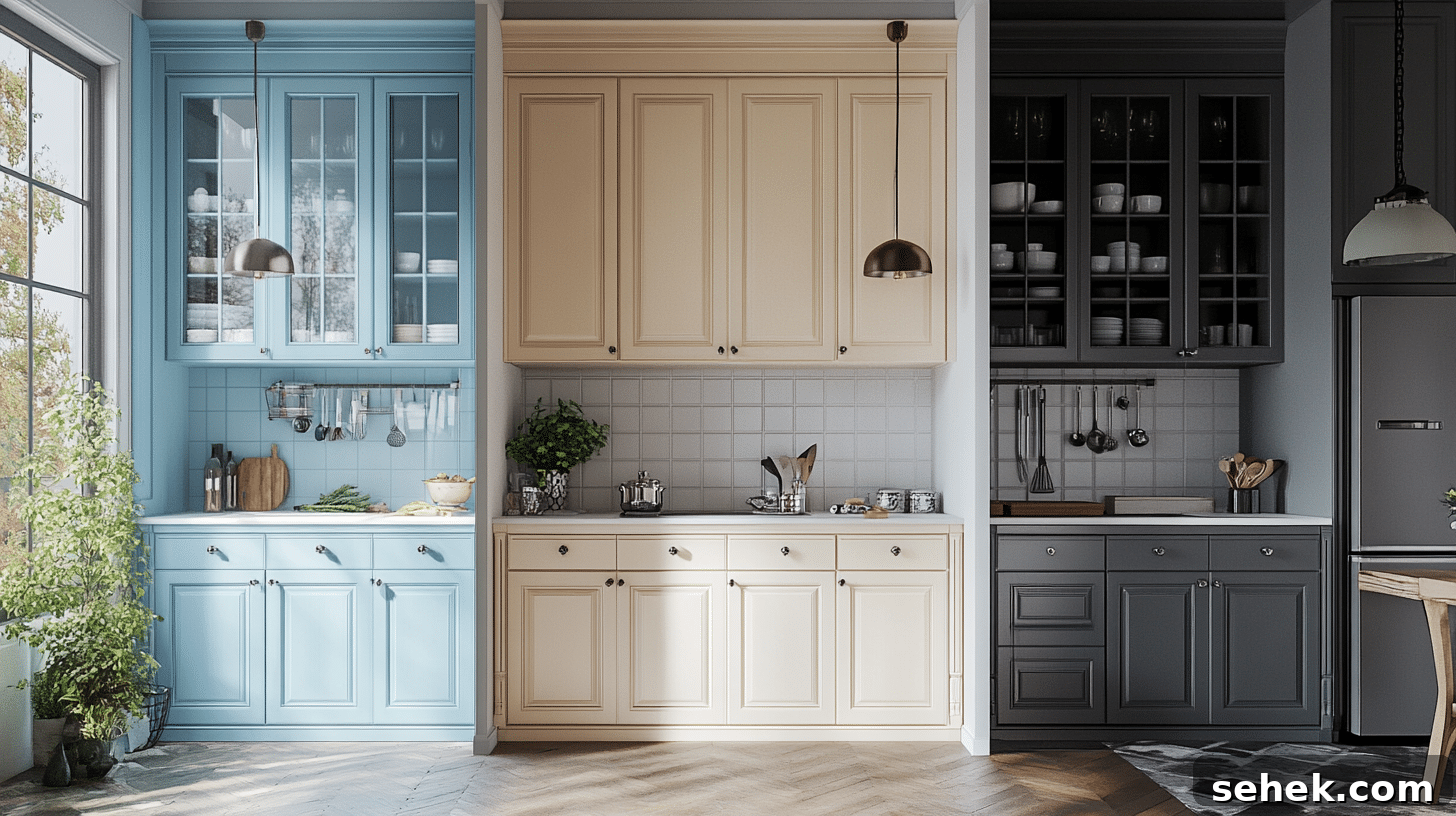
Painting kitchen cabinets can feel like a major undertaking, and it’s natural to wonder about the cost and whether the effort is worthwhile.
Many homeowners find that painting cabinets is a cost-effective way to refresh a kitchen without the expense of full replacement.
This article explains typical cabinet-painting costs, compares DIY and professional approaches, outlines required materials, and highlights the factors that influence the final price.
By the end you’ll have a solid estimate to help plan your project.
An Approximate Cost to Paint Kitchen Cabinets
| Item | Average Cost (USD) |
|---|---|
| Small Kitchen (10 x 10 ft) | $700 – $1,000 |
| Medium Kitchen (12 x 12 ft) | $1,000 – $2,500 |
| Large Kitchen (15 x 20 ft) | $2,500 – $5,000 |
| Cost of Paint (Per Gallon) | $20 – $70 |
| Primer (Per Gallon) | $15 – $40 |
| Labor (Hourly Rate) | $30 – $60 per hour |
| DIY Cost (Supplies + Paint) | $200 – $600 |
| Professional Job (Full Service) | $1,500 – $5,500 |
| Paint Type: Latex Paint | $30 – $60 per gallon |
| Paint Type: Oil-Based Paint | $40 – $70 per gallon |
| Additional Supplies (Brushes, Tape) | $30 – $100 |
When planning a cabinet painting project you can choose between hiring a professional or doing the work yourself. Below is a concise comparison of costs and considerations for each option.
1. Professional Painting Cost
Hiring a professional typically costs from about $3,000 to $10,000, depending on kitchen size, cabinet material, and local labor rates. For an average kitchen, many homeowners pay around $5,000.
Key factors that affect professional pricing:
- Size: Professionals may charge by linear foot; rates of $75–$150 per linear foot are common.
- Cabinet material: Wood is usually easier and less costly to prep than laminate or metal, which often need specialty primers.
- Paint quality: Higher-grade cabinet paints cost more but last longer—expect $30–$60 per gallon for good options.
- Labor: A full cabinet repaint can require 30–60 hours of labor. At typical hourly rates, labor often represents the largest portion of the bill.
- Extras: Services such as glazing, custom finishes, or hardware replacement increase the total cost.
- Location: Urban areas often have higher prices than smaller towns.
A professional job usually includes thorough prep, priming, multiple paint coats, and cleanup. The added expense often yields a more durable, uniform finish.
2. DIY Painting Cost
DIY cabinet painting can significantly reduce costs. Typical material expenses range from $200 to $600, covering paint, primer, sandpaper, brushes, and other supplies. However, DIY requires time, patience, and some technique to achieve a professional-looking result.
Factors that affect DIY costs:
- Kitchen size and number of cabinets
- Type and quality of paint and primer chosen
- Extent of surface prep or repairs needed
- Your available time and experience level
While DIY saves on labor, consider the potential need for additional coats or touch-ups if the finish is uneven.
Types of Kitchen Cabinets with Approximate Paint Cost
Different cabinet styles and construction affect painting time and cost. Typical ranges include:
| Type of Kitchen Cabinet | Approximate Paint Cost (USD) |
|---|---|
| Stock Cabinets | $1,000 – $2,500 |
| Semi-Custom Cabinets | $2,500 – $4,000 |
| Custom Cabinets | $3,000 – $5,500 |
| Flat-Front Cabinets | $700 – $2,500 |
| Raised-Panel Cabinets | $1,500 – $3,500 |
| Shaker Cabinets | $1,000 – $3,000 |
| Glass-Front Cabinets | $1,200 – $3,500 |
| Louvered Cabinets | $1,500 – $4,000 |
| Beadboard Cabinets | $1,200 – $3,200 |
| Distressed Cabinets | $2,000 – $5,000 |
How to Calculate Your Painting Cost?
Use this step-by-step method to estimate your cabinet-painting budget:
1. Measure your cabinets
- Count doors and drawers and measure the linear feet of cabinet boxes.
2. Calculate paint needed
- One gallon typically covers about 200–300 square feet. An average kitchen often requires 2–3 gallons of paint.
3. List materials
- Paint (2–3 gallons), primer (1–2 gallons), sandpaper, brushes, rollers, painter’s tape, drop cloths.
4. Price check
- Check local store prices for materials and add them to your estimate.
5. Estimate time
- DIY projects often take 30–50 hours for an average kitchen. For professionals, request quotes from several painters.
6. Do the math
- DIY: add material costs plus the value of your time (hours × hourly rate you assign).
- Pro: compare quotes and include paint quality and services.
7. Add extras
- Include the cost of new hardware, hinge upgrades, repairs, or unexpected prep work. It’s wise to add 10–20% contingency for surprises.
Factors Affecting the Costs
Several variables influence how much the project will cost:
- Kitchen size: More cabinets increase material and labor needs.
- Cabinet condition: Older, damaged, or heavily stained cabinets require more prep and repairs.
- Cabinet material: Laminate or metal often need specialty primers and techniques.
- Paint quality: Higher-quality paints are pricier but more durable.
- Color change: Switching from dark to light may require extra coats.
- Cabinet design: Ornate details raise labor time compared with flat-front doors.
- Removal of doors and hardware: Taking doors off speeds the process but can add time for labeling and reinstallation.
- Location: Labor and material prices vary by region.
- Time of year: Off-season scheduling can sometimes reduce labor costs.
- Additional services: New hinges, hardware swaps, or modifications increase the total project cost.
Pros & Cons of Professional Painting & DIY Painting
| Aspect | Professional Painting | DIY Painting |
|---|---|---|
| Pros | High-quality finish, professional tools, faster completion, warranty or guarantee | Lower cost, full control of timeline and process, learning experience |
| Cons | Higher cost, less direct control over timing, need to find a reliable contractor | Time-consuming, potential for uneven finish, costs for tools and materials |
Safe Paint Options for Your Kitchen Cabinets
Choose low-VOC and durable paints to minimize fumes and improve longevity. Safe options include:
Water-Based Acrylic Paint
- Low VOCs, quick-drying, easy cleanup, durable and resistant to yellowing.
Milk Paint
- Natural ingredients, minimal or zero VOCs, matte finish suitable for rustic or antique styles.
Chalk Paint
- Very low VOCs, minimal prep required, adheres well to many surfaces for a matte look.
Zero-VOC Latex Paint
- No harmful fumes, environmentally friendly, durable with a range of finishes and colors.
Ceramic-Infused Paint
- Contains ceramic microspheres for extra durability, stain resistance, and easy cleaning—good for high-traffic kitchens.
Choosing safe, low-odor paint makes the process more pleasant and healthier for your household.
Conclusion
Painting kitchen cabinets is an effective way to refresh your space at a fraction of the cost of replacement. Costs vary widely: a DIY refresh can be as low as around $200 in materials, while a full professional job can range up to several thousand dollars depending on size, materials, and finish.
Consider your budget, time, and desired outcome when choosing between DIY or a professional. Measure your space, decide on paint type, request multiple quotes if hiring, and add a small contingency for unexpected work.
With planning and the right materials, painting cabinets can dramatically update your kitchen and extend the life of your existing cabinetry.