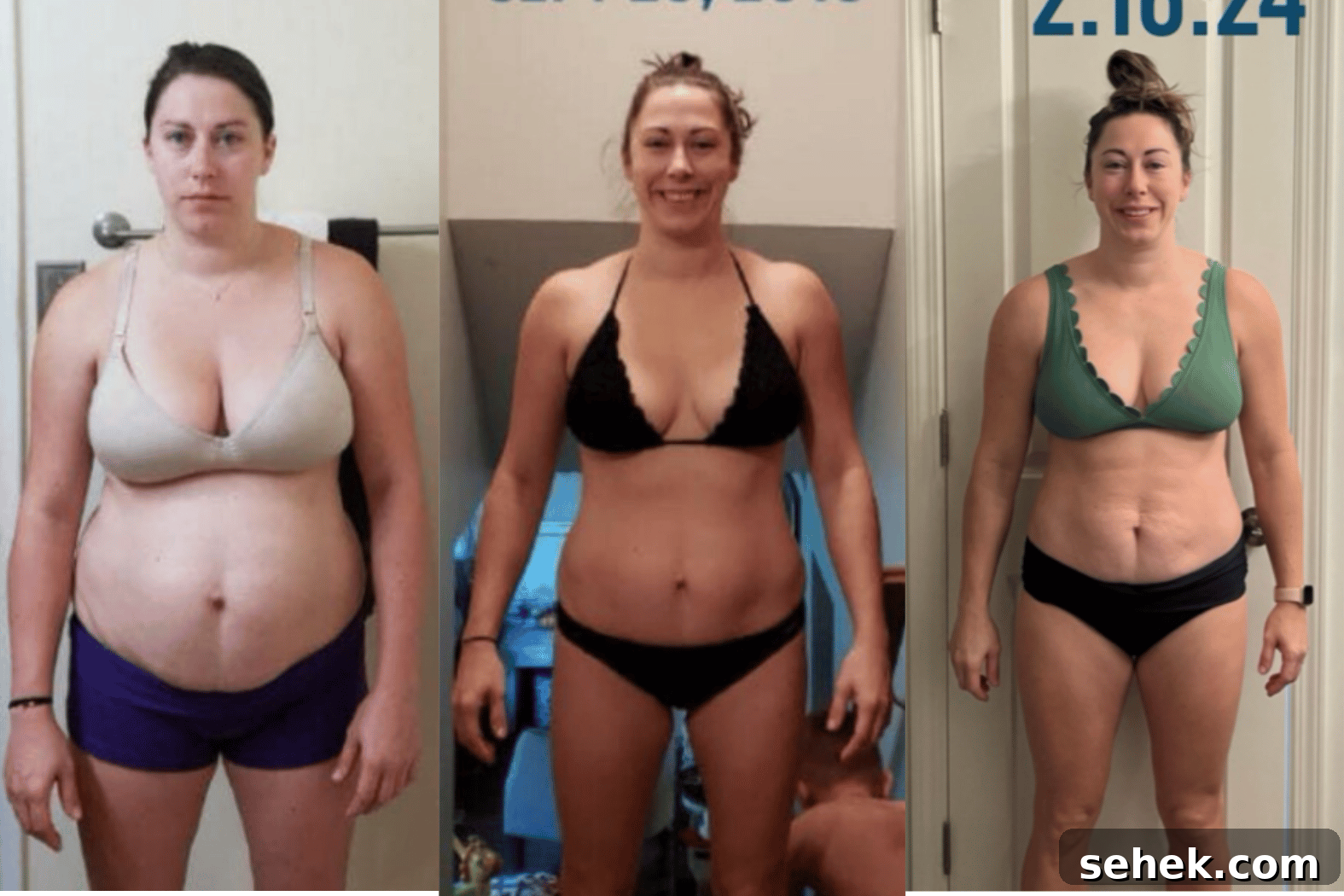
After a week of hearing feedback from several clients, I wanted to share why we track macros. Everyone begins in a different season with a distinct “why,” and that reason can shift over time.
What season are you in and what is your Why?
Right now, my focus is maintenance while building more muscle and getting stronger in the gym. That hasn’t always been my season.
I began tracking macros five months postpartum with my third child in 2017.
During that period I was very focused and had to say no to many things. It was worth it. I learned quickly that instant gratification often undermined my longer-term goals.
My objective at the time was to change my body composition and lose weight.
After a few years I decided to take a break. That break ended up being a looser approach to tracking—sticking to the basics without weighing every little thing. After a bit more than a year without tracking, treats became easier to reach for, and following a second holiday season, I decided to return to consistent effort.
I wanted to feel comfortable in my jeans again; they had become snug and uncomfortable.
I hope you understand that the scale was never my source of self-worth. It’s a tool—not the only one. Slow progress doesn’t mean your effort isn’t working.
If you let it, this approach can become more than hitting a number on the scale—it becomes a lifestyle change. There are many factors outside our control that affect body composition and weight, and keeping that perspective matters.
A few client takeaways that I have also felt myself throughout these last seven years:
- “I never felt like I was dieting.”
- “Focusing on my overall nutrition has given me a much better grasp of my body as a whole.”
- “Certain foods aren’t as tempting as they once were.”
- “Letting go of food guilt has been life-giving.”
- I started in October, one of the hardest times of year to begin. Don’t let the holidays stop you from improving your nutrition. The biggest shift is changing your mindset about what the journey should look like and just starting. Tracking macros even taught me how to properly feed my medically fragile child—something I never expected. If you take away one main point, let it be that this is a lifestyle change far bigger than body composition or scale numbers.
- I am 5’5″ and currently 160 pounds; by BMI I fall into the “obese” category. As photos and strength numbers show, BMI doesn’t tell the whole story. I can back squat 285#, deadlift 335#, bench 170#, and front squat 220#. Don’t let a number on the scale define your worth—focus on changing habits and building a balanced life.
- Continual learning is essential. Challenges don’t mean you should quit—just as parenting has hard days but requires persistence and growth, so does this work. Keep learning, keep showing up, and keep putting in the effort.