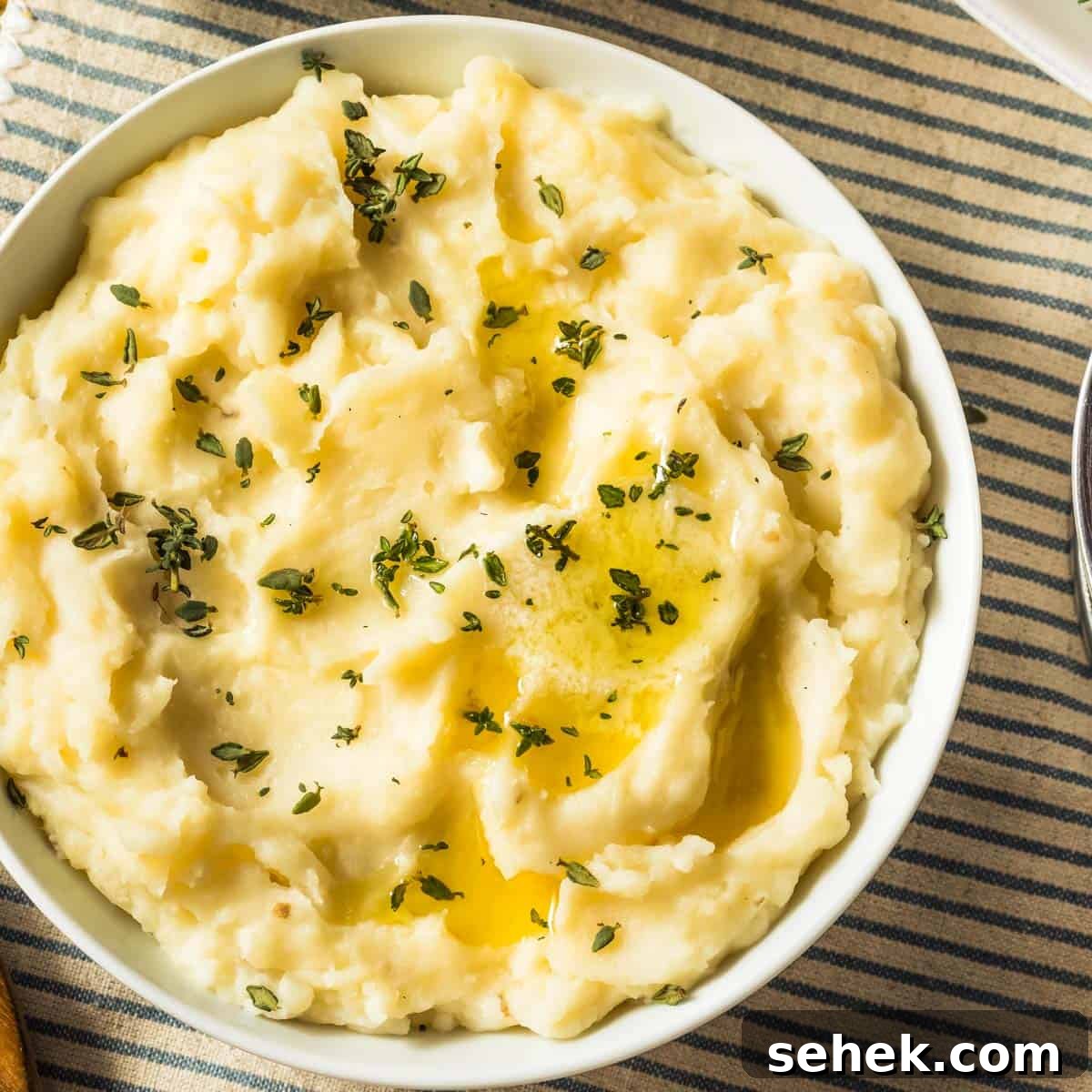
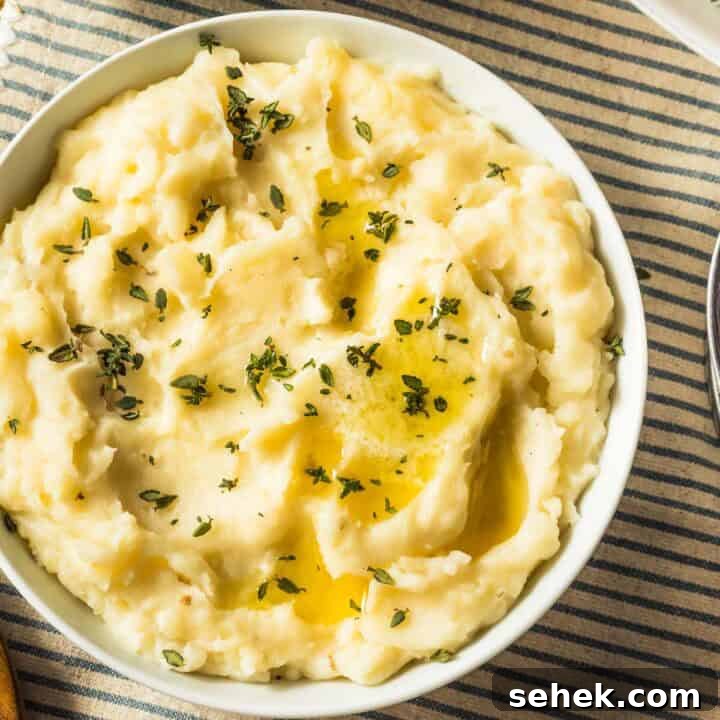
Not all mashed potatoes are the same. Read on to learn an easy method for smooth, creamy mashed potatoes that just might be the best you’ve ever made.
I’ve prepared mashed potatoes in many ways, and this straightforward approach remains my favorite. The simple trick is to cook the potatoes a touch longer than usual.
You don’t need a ricer, special masher, or mixer — when the potatoes are slightly overcooked, they practically mash themselves after you add butter and cream. The result is soft, fluffy potatoes with a pleasant homemade texture.
I prefer russet potatoes for their light, airy finish, while Yukon Golds yield an even creamier result. Once the butter melts into the hot potatoes, the aroma alone brings everyone to the kitchen.
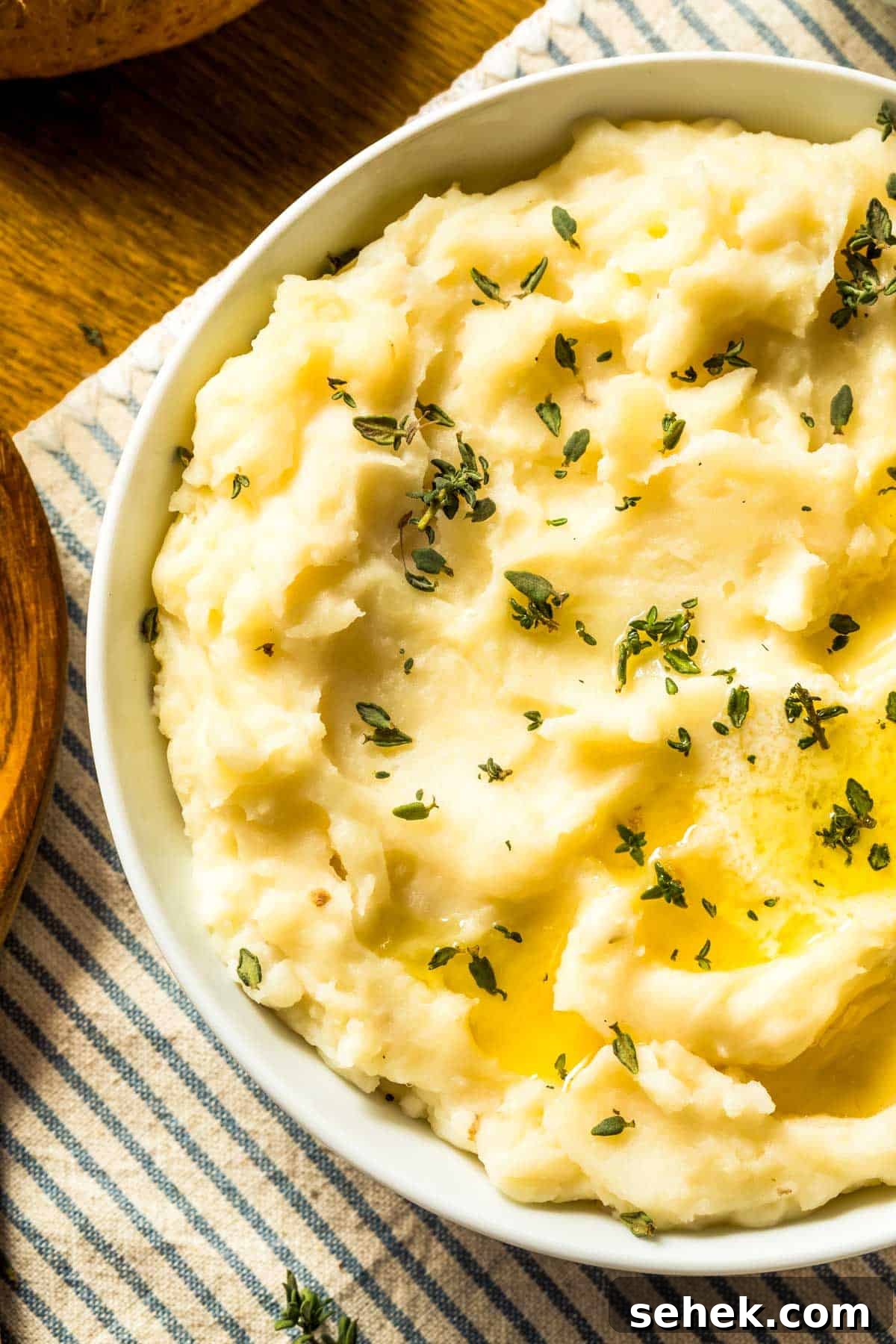
These mashed potatoes are so simple I make them weekly in winter and serve them every holiday. I love pairing them with prime rib and green beans almondine. Each of those dishes feels special while remaining easy to prepare, which is a big help during busy holiday meals.
Ingredients
- Russet potatoes: For the fluffiest texture. Use Yukon Golds if you prefer creamier mashed potatoes.
- Unsalted butter: Start with about ⅓ cup and add more while mixing until the potatoes taste rich and velvety.
- Heavy cream: Warm the cream before adding so it blends easily and keeps the potatoes hot. Half-and-half or whole milk can be used instead for a lighter result.
- Coarse salt: Potatoes need ample salt. Taste and adjust as you go.
- Freshly ground black pepper: Optional; a few grinds are usually enough.
- Fresh herbs (optional): Chopped parsley, chives, or thyme make a lovely garnish and add subtle flavor.
The Secret to Easy Mashed Potatoes
- Prep the potatoes: Peel and cut potatoes into even 1½–2 inch chunks so they cook uniformly.
- Boil until very tender: Place potatoes in a large pot, cover with cold water by about an inch, add a generous pinch of salt, bring to a boil, then reduce to a simmer. Cook until they are very tender and starting to fall apart, about 25–30 minutes. Slightly overcooking is intentional — it makes mashing effortless.
- Drain and dry: Drain well in a colander, return to the warm pot, and let sit uncovered for a few minutes so excess moisture evaporates.
- Add the butter: Add butter a tablespoon at a time to the hot potatoes and stir with a wooden spoon or sturdy spatula as it melts. The heat helps the butter incorporate for a silky texture.
- Add the cream: Slowly pour in warm cream a little at a time, stirring gently until you reach the desired consistency. Add more for looser potatoes or stop sooner for a fluffier result.
- Season to taste: Stir in salt and pepper, tasting and adjusting until the seasoning is just right. Potatoes can handle more salt than you might expect.
- Fluff and serve: Lightly fluff with a fork to aerate, transfer to a serving dish, top with an extra pat of butter and herbs if desired, and serve immediately while warm.
Equipment Needed
Having your equipment ready makes the process smoother. You’ll need:
- Large pot with enough room for potatoes and water to circulate
- Colander
- Wooden spoon or sturdy spatula
- Measuring cups and spoons
- Small saucepan or microwave-safe bowl to warm the cream
- Chef’s knife and cutting board
- Large mixing bowl or serving dish
- Fork for fluffing before serving
Tips
- Overcook on purpose: Let the potatoes go a few minutes past fork-tender so they begin to break apart — this is what makes hand-mashing easy without special tools.
- Start with cold water: Placing potatoes in cold water and bringing them up to temperature helps them cook evenly and prevents a gluey exterior.
- Warm the cream: Adding warm cream preserves the potatoes’ temperature and prevents them from getting dense or cool.
- Add butter first: Melting butter into the hot potatoes before the cream creates a silkier texture.
- Taste and season: Keep tasting as you go — well-seasoned potatoes make a big difference.
- Fluff with a fork: A final gentle fork-stir adds air and a hand-whipped texture.
- Keep warm: If you need a short hold time, cover the pot and set it over very low heat for up to 30 minutes, stirring occasionally to prevent sticking.
Variations
These mashed potatoes are delicious as-is, but you can customize them:
- Roasted garlic
- Blue cheese or gorgonzola with fresh chives
- Goat cheese
- Browned butter
- Parmesan — mix in or sprinkle on top and broil for a golden crust
- Bacon and grated cheddar
- Buttermilk mashed potatoes — substitute buttermilk for regular milk
- Horseradish, great with prime rib
- Swirl in mashed sweet potato for color and flavor
- Cream cheese stirred in while potatoes are piping hot
- Sour cream and chives
- Tex-Mex version with peppers, jalapeños, and Mexican blend cheese
- Mashed cauliflower as a low-carb alternative
How Many Potatoes Will I Need?
Plan on about ⅓ to ½ pound of potatoes per person when serving as a side. The recipe scales easily.
| Number of Guests | Minimum | Maximum |
| Potatoes for 2 | ⅔ pound | 1 pound |
| Potatoes for 4 | 1 ⅓ pounds | 2 pounds |
| Potatoes for 6 | 2 pounds | 3 pounds |
| Potatoes for 8 | 2 ⅔ pounds | 4 pounds |
| Potatoes for 10 | 3 ⅓ pounds | 5 pounds |
| Potatoes for 12 | 4 pounds | 6 pounds |
Approximate russet weights: large ≈ 1 lb, medium ≈ ½ lb, small ≈ ⅓ lb.
Storage and Make-Ahead
- Make-ahead: Prepare up to a day ahead, cool slightly, store in an airtight container in the fridge, and reheat gently on the stovetop with a bit of cream or milk if too thick.
- Keeping warm: Cover and place over the lowest heat for up to 30 minutes, stirring occasionally. A slow cooker set to warm works well.
- Refrigeration: Store leftovers in an airtight container for up to 4 days; they reheat well and can be used for shepherd’s pie or potato pancakes.
- Freezing: Freeze cooled portions for up to 2 months. Thaw overnight in the fridge and warm slowly with butter or cream.
- Reheating tip: Avoid high-power microwaving, which dries them out. Reheat on low stovetop heat or in the oven at a moderate temperature.
Frequently Asked Questions
Why do you overcook the potatoes on purpose?
Overcooking makes the potatoes so tender they mash easily by hand, eliminating the need for a ricer or mixer while still producing creamy results.
Can I use Yukon Golds instead of russets?
Yes. Yukon Golds give a naturally buttery flavor and creamier texture; russets yield a lighter, fluffier finish. Mixing varieties is also a good option.
Do I need to peel the potatoes?
Peeling is typical for russets. For Yukon Golds you can leave the skins on for a more rustic texture.
What if my mashed potatoes turn out too thick?
Stir in a little more warm cream or milk until you reach the desired consistency, adding gradually to avoid over-thinning.
How can I make them extra rich?
Add more butter or substitute some cream with sour cream, cream cheese, or mascarpone for extra richness.
Can I make these dairy-free?
Use olive oil or vegan butter and a rich non-dairy milk like cashew or oat milk to keep them dairy-free and flavorful.
What’s the best way to reheat mashed potatoes?
Reheat slowly on the stovetop over low heat with a splash of cream or milk, stirring often to restore a smooth texture.
Can I make mashed potatoes ahead for Thanksgiving or Christmas?
Yes — make them a day ahead, refrigerate, and reheat slowly in a covered pot with butter and cream. They’ll still taste great.
Pairings
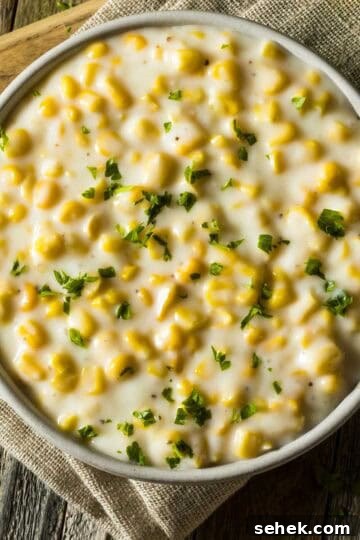
These mashed potatoes pair well with roasted meats, glazed hams, creamed corn, and vegetable sides. They’re a versatile side that complements holiday mains and weeknight dinners alike.
-
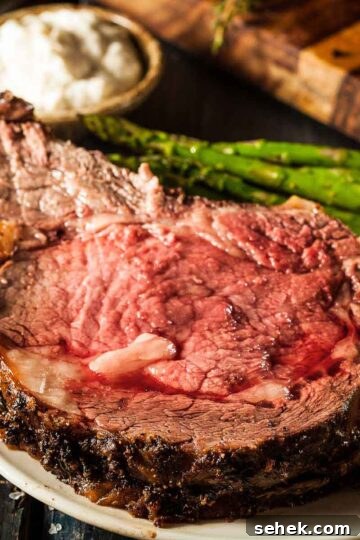
Perfect Standing Rib Roast + Garlic Mustard Wet Rub
-
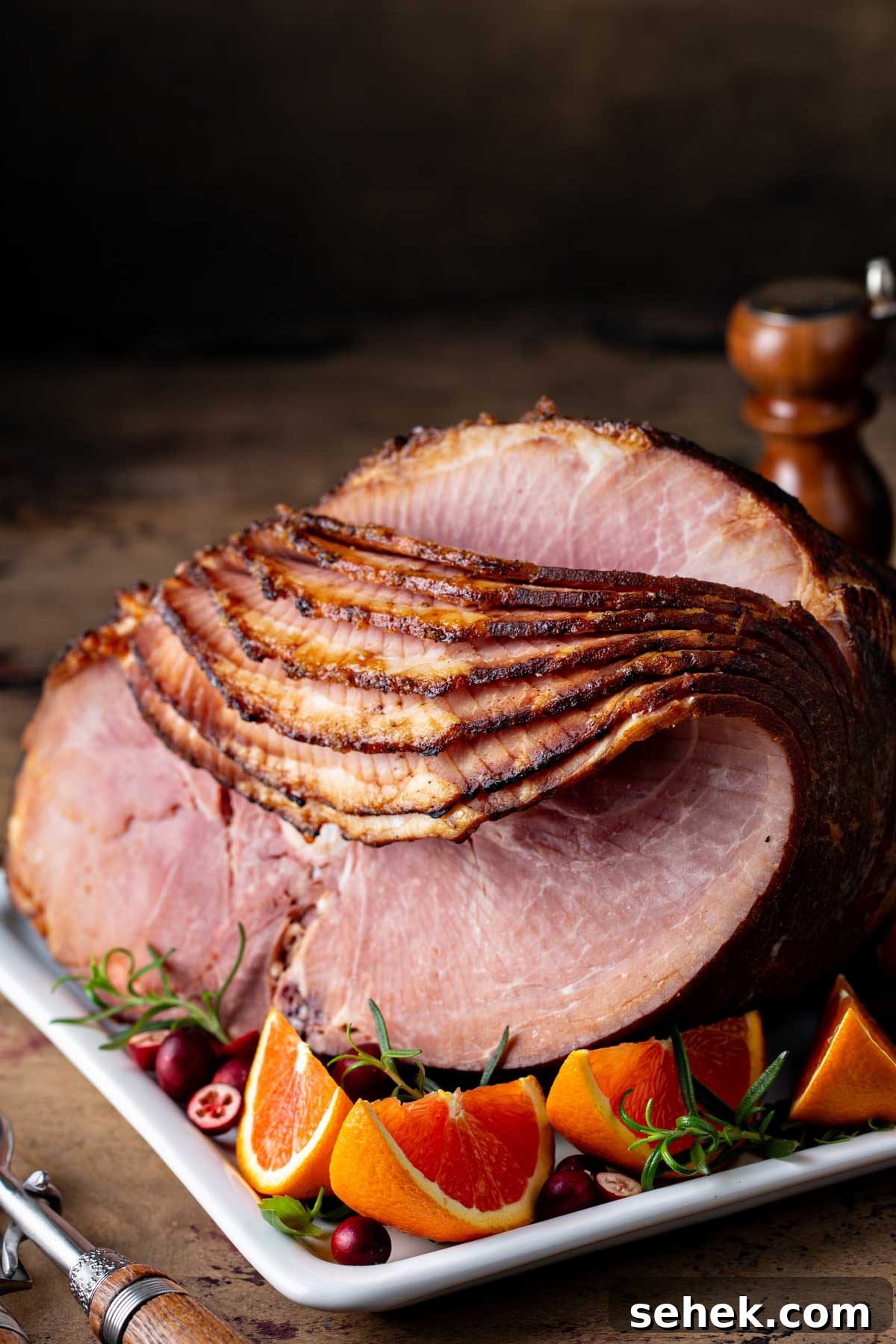
How to Cook a Spiral Ham (plus a Ham Glaze recipe)
-
Homemade Creamed Corn Recipe (With or Without Cream)
-
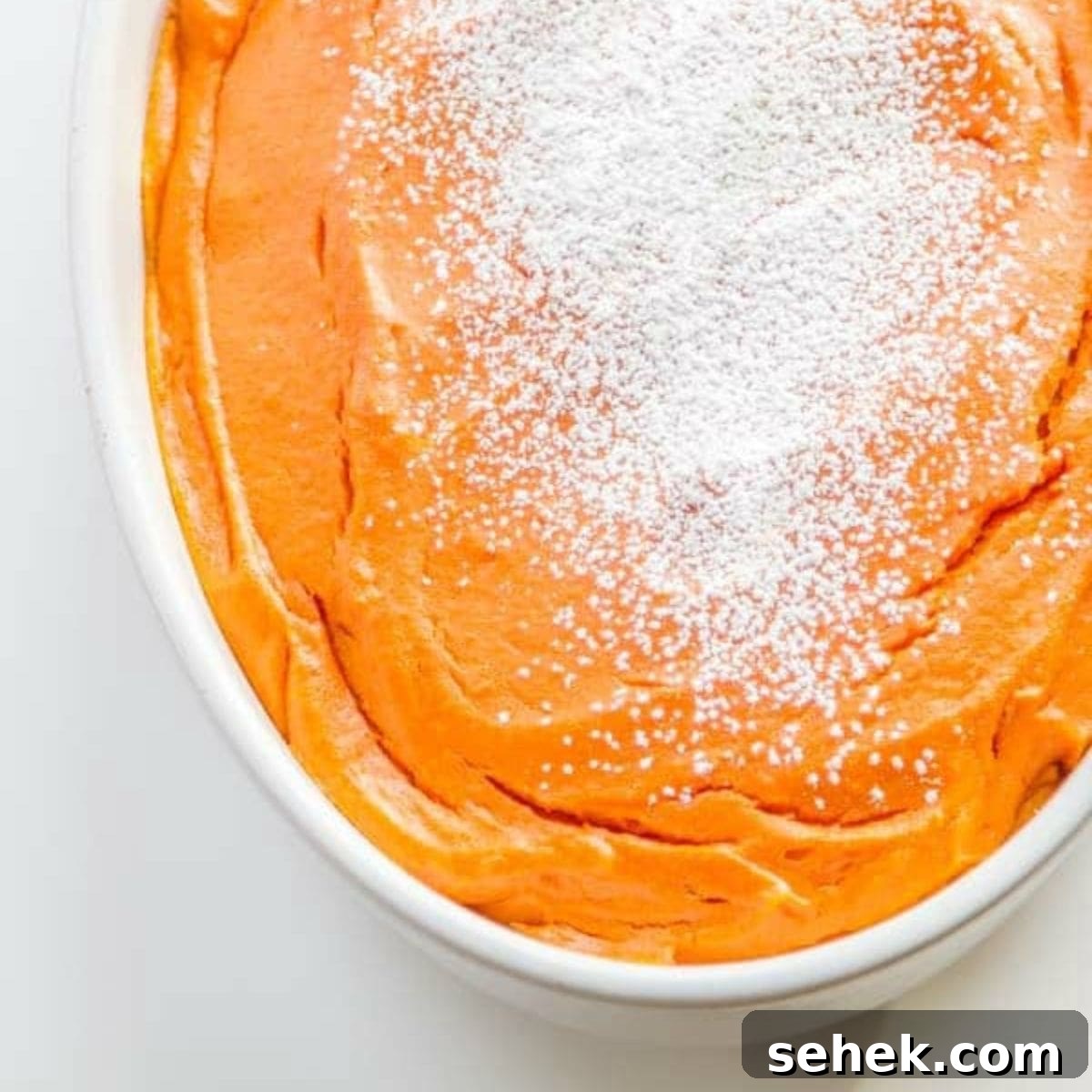
Roasted Carrot Souffle
Easy Mashed Potatoes
8-10 servings
10 minutes
30 minutes
40 minutes
No ricer or mixer required — slightly overcook the potatoes until they begin to fall apart, and they’ll mash easily for creamy, effortless mashed potatoes.
Ingredients
- 4 pounds russet potatoes
- ⅓–½ cup unsalted butter, softened
- 1 cup heavy cream, gently warmed
- 1 teaspoon coarse salt (or more to taste)
- ¼ teaspoon freshly ground black pepper
- Optional: chopped fresh herbs for garnish (parsley or thyme)
Instructions
- Peel and cut potatoes into even 1½–2 inch chunks.
- Place potatoes in a large pot, cover with cold water by about 1 inch, add salt, bring to a boil, then reduce to a simmer. Cook 25–30 minutes until very tender and beginning to fall apart.
- Drain well, return to the warm pot, and let sit uncovered for 2–3 minutes to let excess moisture evaporate.
- Add butter a tablespoon at a time to the hot potatoes, stirring until melted and coated.
- Slowly pour in warm cream, stirring between additions until the desired consistency is reached.
- Season with salt and pepper to taste.
- Lightly fluff with a fork, transfer to a serving dish, top with extra butter and herbs if desired, and serve immediately.
Notes
You can also cook the potatoes until just tender and process them through a ricer or blend them with a hand mixer if you prefer a smoother, more refined texture.
Nutrition Information:
Yield: 10
Serving Size: 1
Amount Per Serving:
Calories: 393
Total Fat: 24g
Saturated Fat: 15g
Cholesterol: 67mg
Sodium: 246mg
Carbohydrates: 40g
Fiber: 4g
Sugar: 3g
Protein: 6g
Nutrition data provided by Nutritionix.