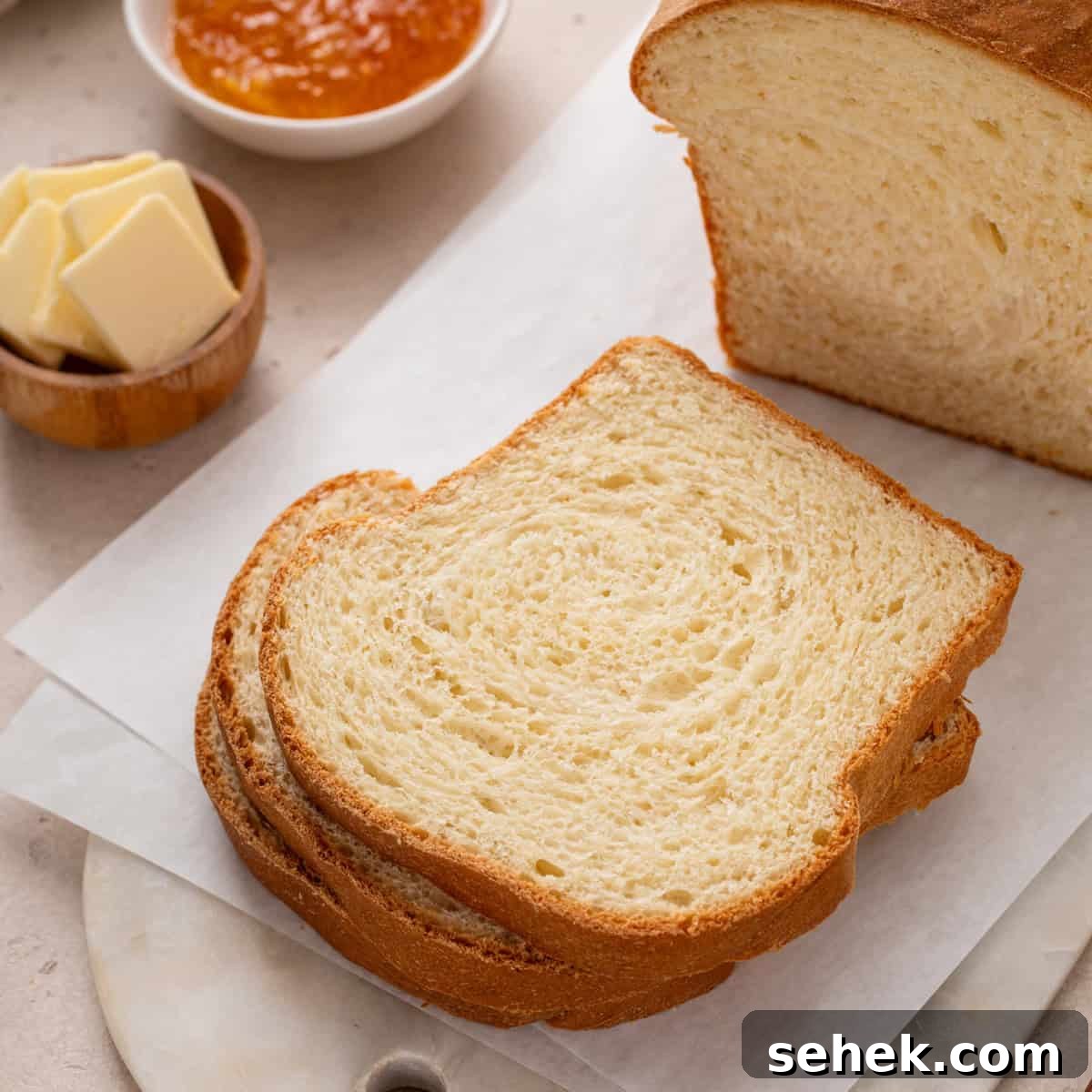
Soft, fluffy potato bread is an ideal homemade loaf—even for bakers new to yeast. Slice it warm, toast it, make grilled cheese, or enjoy it plain with butter and jam.
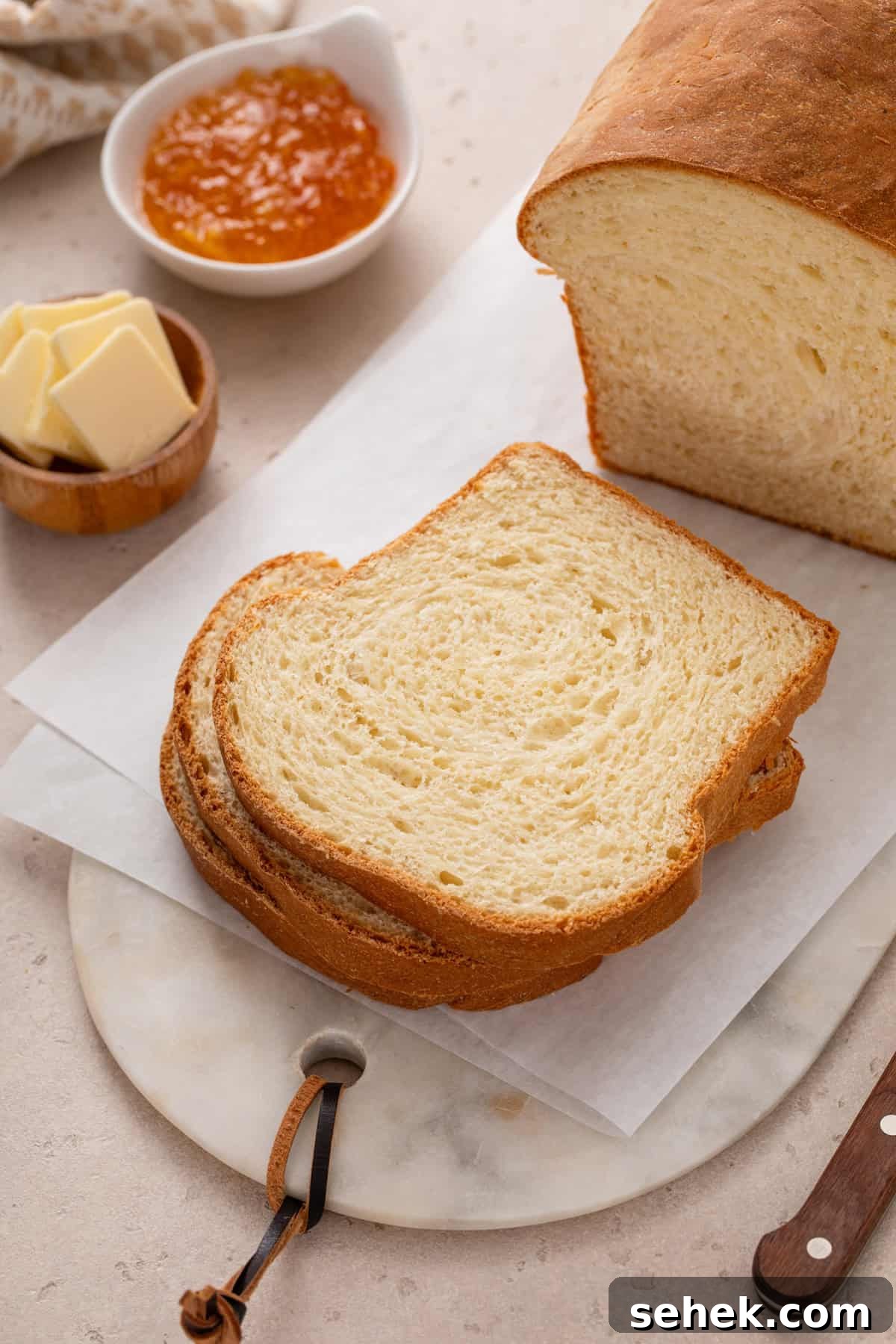
There’s something about the start of a new year that inspires me to bake bread. After the cookie-filled holidays, January and February feel perfect for pulling a warm loaf from the oven and savoring a fresh slice.
This potato bread is beginner-friendly and reliably tender inside with a crisp crust. It toasts beautifully, makes an excellent grilled cheese, and is a comforting everyday loaf.

What is potato bread?
Potato bread is a classic yeast bread made with mashed potato or potato flakes folded into the dough. The potato adds moisture and tenderness to the crumb while helping create a pleasant, slightly crisp crust.
This recipe uses cooked and mashed potato—leftover mashed potatoes work well, or you can cook a russet potato specifically for the loaf. Both approaches produce a soft, flavorful bread.
Serve thick slices toasted with butter and jam for breakfast, use the loaf for grilled cheese, or cut it into cubes for a breakfast casserole or French toast bake. You can also shape the dough into rolls for dinner—potato rolls pair wonderfully with soups and stews.
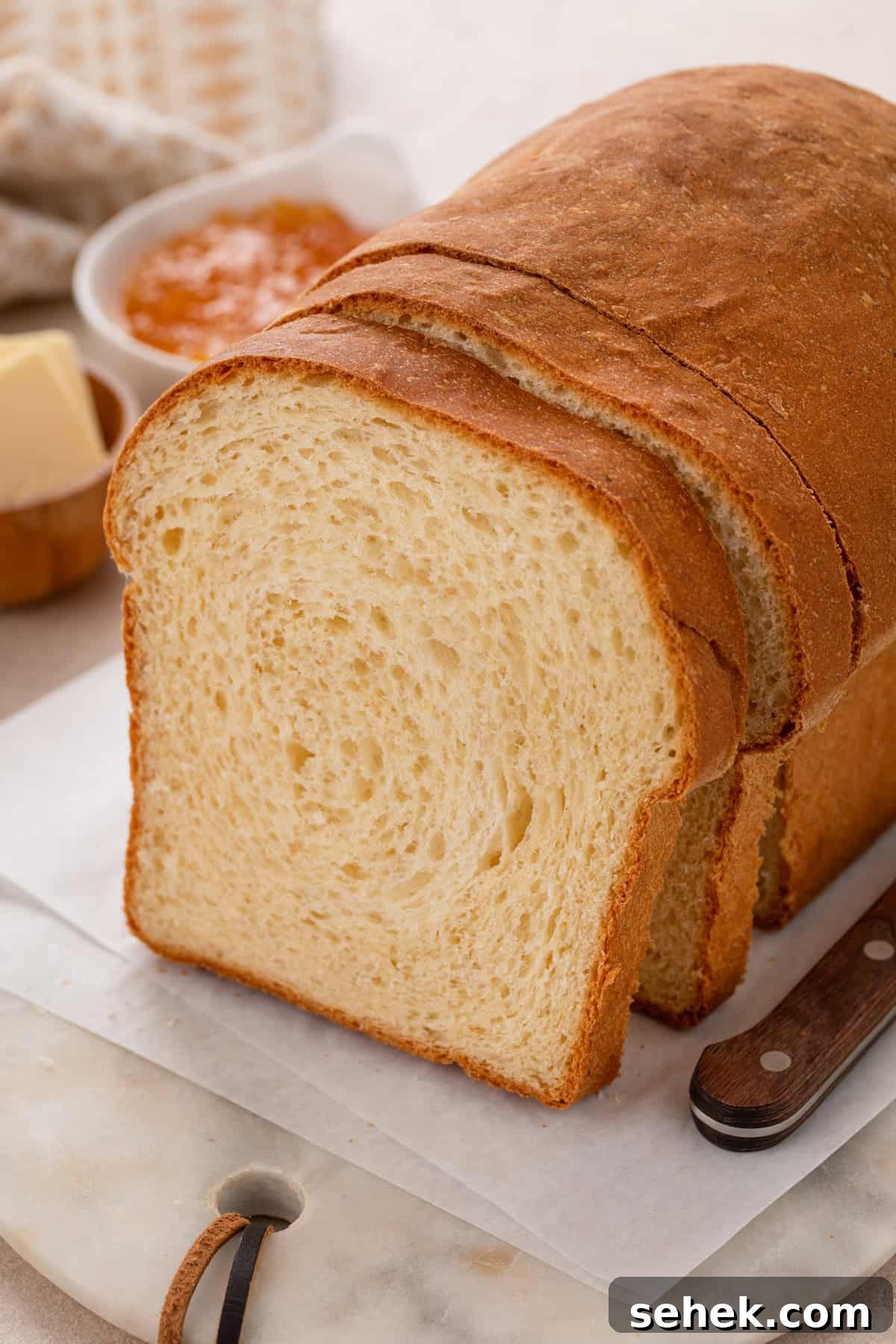
How to make homemade potato bread
This loaf is forgiving for first-time yeast bakers. It uses instant yeast and only requires a single rise, so you can have fresh bread in roughly two hours.
Ingredients you’ll need
For this potato bread you will need:
- All-purpose flour — keeps the crumb soft and tender.
- Instant yeast — sometimes called rapid-rise yeast.
- Fine sea salt
- Water
- Milk — any variety works.
- Honey
- Unsalted butter
- Large egg
- Cooked and mashed potato — about 1/3 cup. Leftovers are fine; russets work best if you cook a potato just for this recipe.
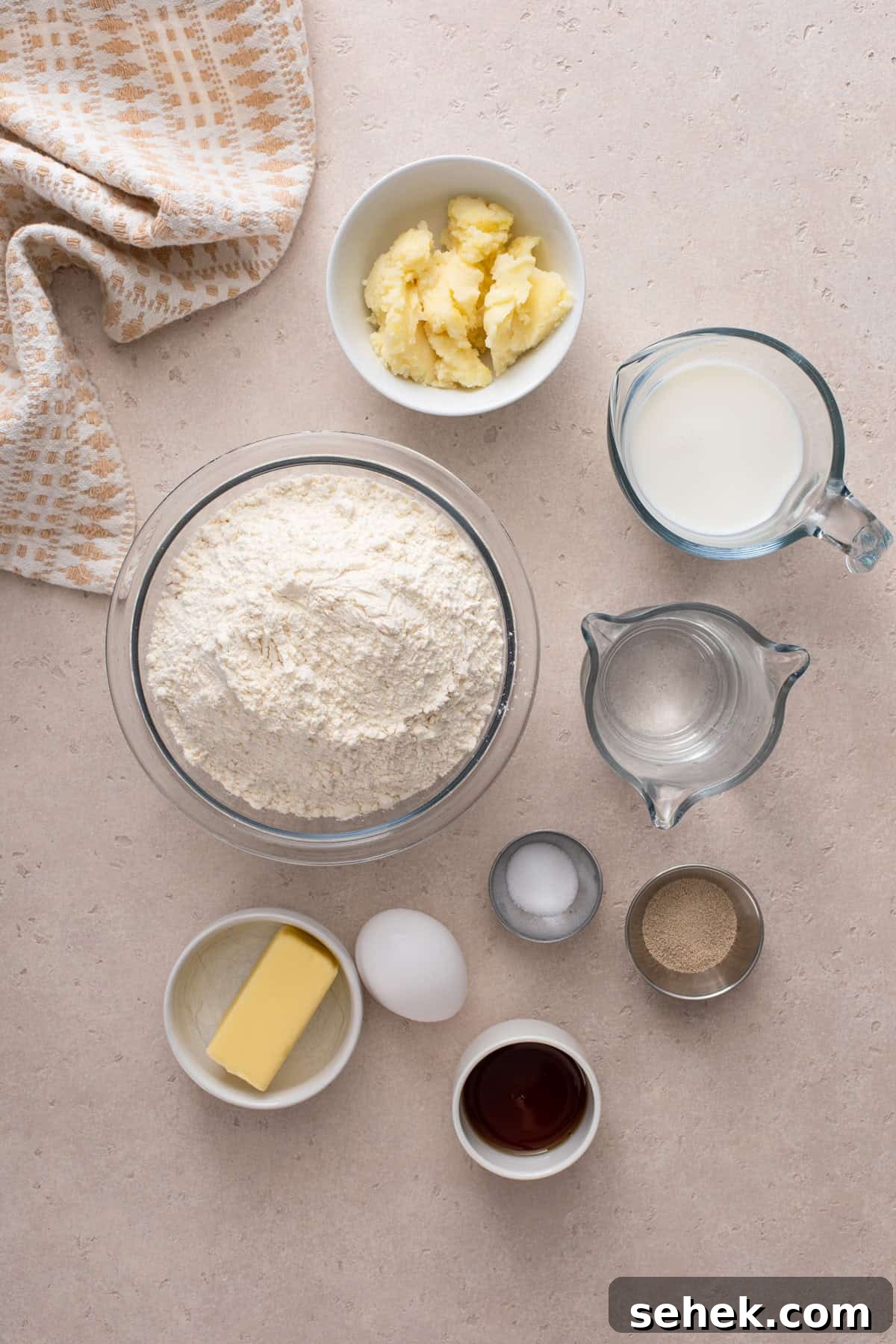
If you use flavored leftover mashed potatoes (garlic, chives, sour cream), those flavors will carry over into the bread. Also be sure to measure flour correctly for consistent results.
Step-by-step method
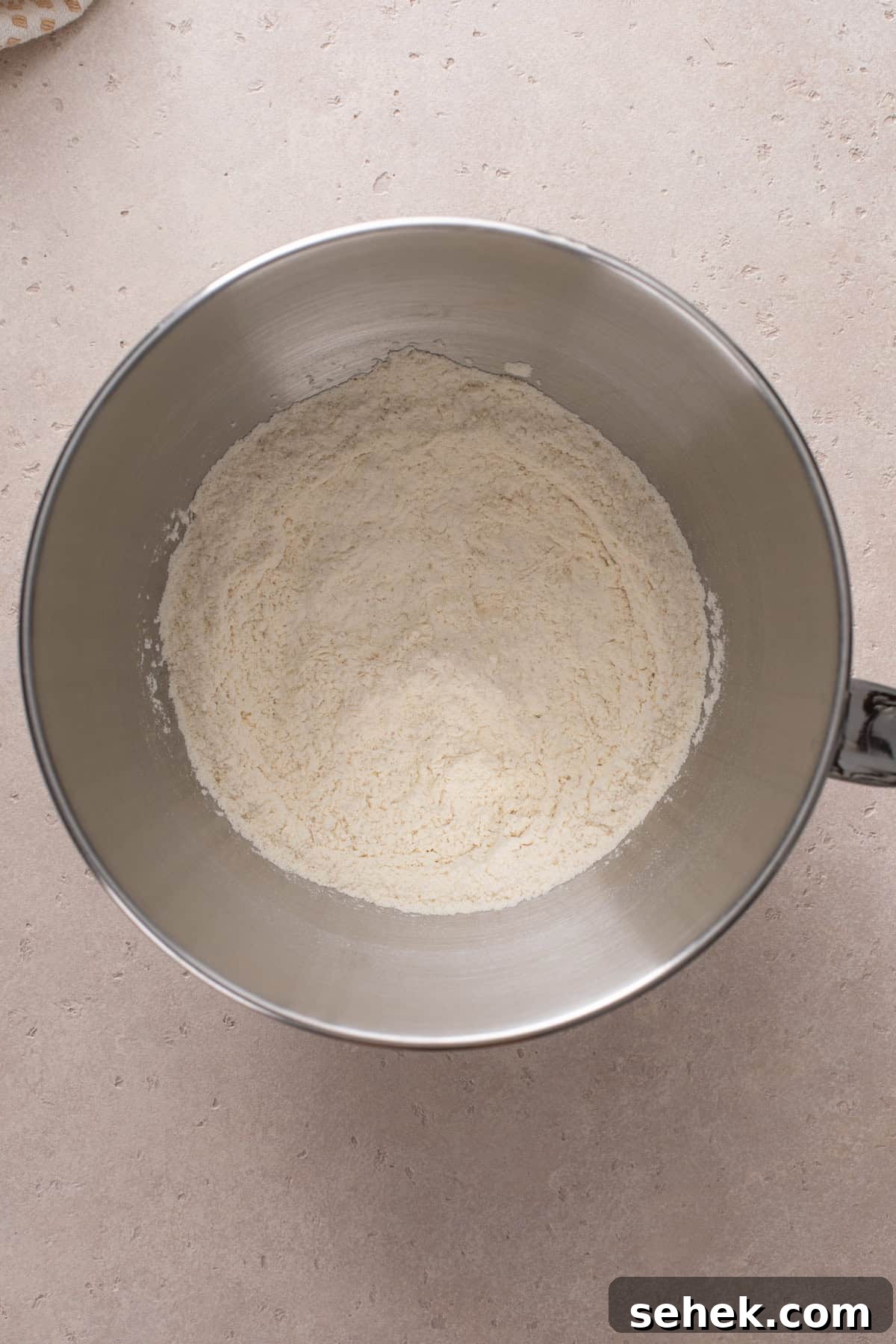
Place 2 cups of the flour, the yeast, and the salt in the bowl of a stand mixer fitted with the paddle attachment.
In a microwave-safe bowl or large measuring cup combine the water, milk, honey, and butter. Warm on high for about 1 minute, until very warm but not hot—aim for 110°F–120°F. A little butter left unmelted is okay.
Add the warm liquid to the dry ingredients and mix on medium speed until combined, scraping the bowl as needed. Add the egg and the mashed potato and mix again until incorporated.
Switch to the dough hook. With the mixer on low, add 1 cup of the remaining flour and mix. Add the last flour 1/2 cup at a time until the dough comes together into a slightly sticky mass that clings to the hook.
Turn the dough onto a lightly floured surface and knead until smooth and elastic, about 5 minutes by hand, or about 3 minutes with the mixer on medium. Lightly cover the dough and let it rest for 10 minutes.
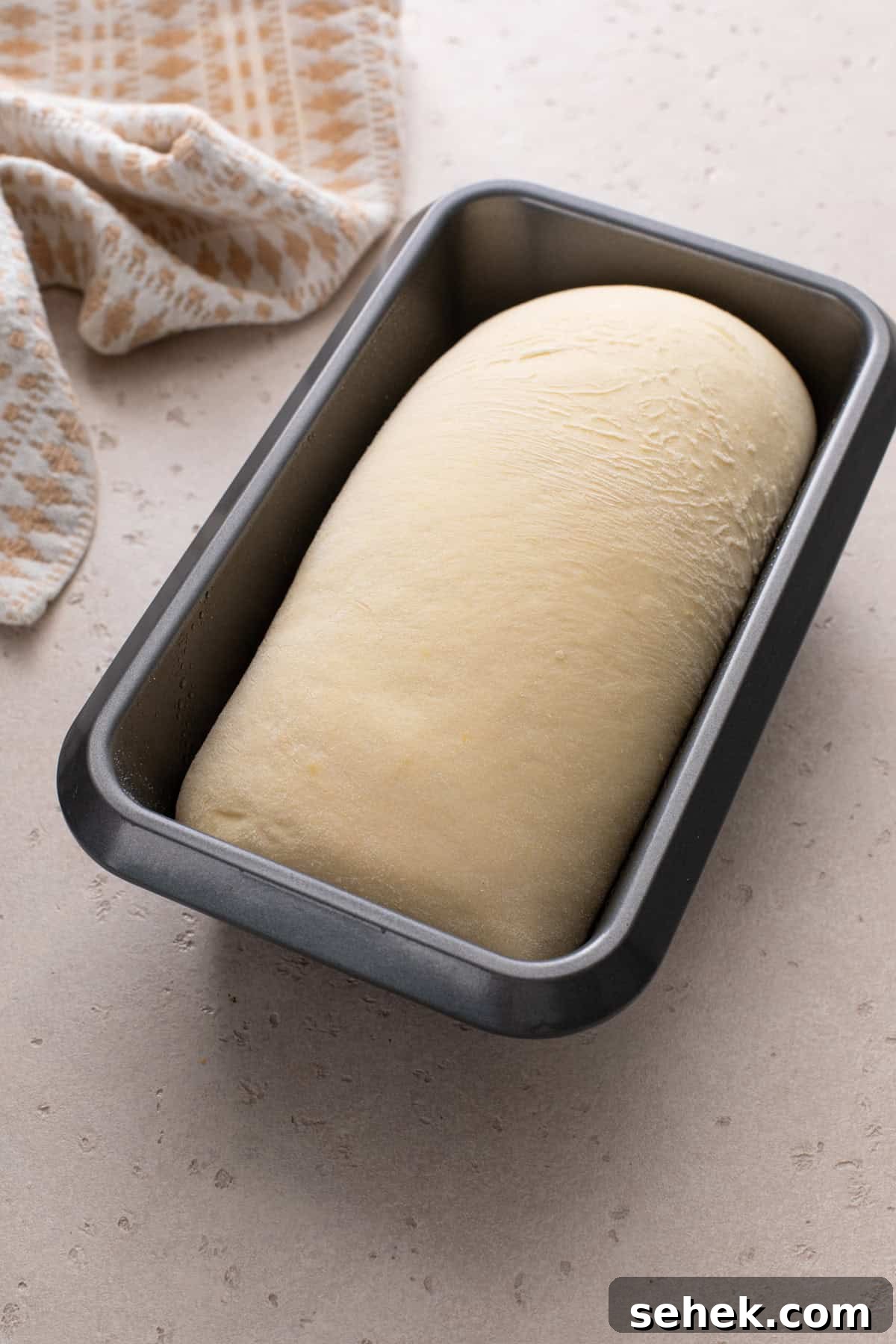
Roll or pat the dough into an 8×15-inch rectangle. Starting at the short side, tightly roll the dough into a log and place seam-side down in a greased 10×5-inch loaf pan.
Cover lightly with a towel and set the loaf in a warm spot to rise about 40–50 minutes, until doubled and just below the top edge of the pan. Use the poke test: a gentle indentation should slowly spring back when the dough is ready.
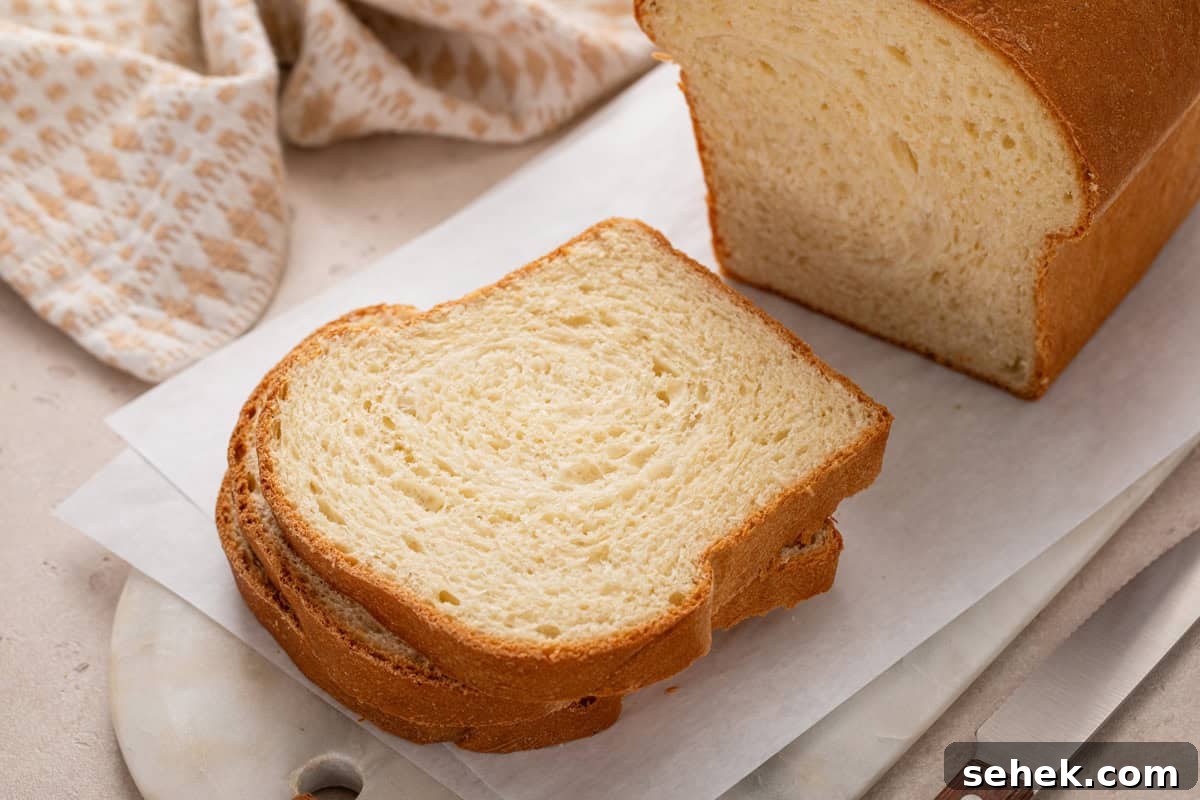
Preheat the oven to 375°F while the loaf rises. Bake 35–40 minutes, until deeply golden and the internal temperature reaches 190°F. Turn the bread out onto a wire rack to cool for at least one hour before slicing.
Storing homemade bread
Homemade bread lacks the preservatives in store-bought loaves, so store it to maximize freshness:
- Use paper or reusable bread bags. Avoid airtight plastic bags, which trap moisture and encourage spoilage.
- Store at room temperature in a cool, dry spot. Keep the loaf away from heat and damp areas like near the dishwasher or fridge.
- Freeze for longer storage. Wrap tightly in plastic wrap and a layer of foil, and freeze up to three months. Thaw before slicing or warm in the oven to refresh.
Frequently asked questions
Dust your work surface with flour. Push the dough away with the heel of your hand, fold it back toward you, and turn it 90 degrees. Repeat for about 5 minutes, adding flour as needed until the dough is smooth and elastic.
Rely on visual cues: the dough should double and, for a loaf, rise just below the pan’s edge. Use the poke test—if an indentation slowly springs back, it’s ready. If it doesn’t spring back, give it more time.
A warm, draft-free spot works best. If your oven has a proof setting use that. Otherwise, place the dough near a warm stove, on top of a running dryer, or inside the oven with only the light on to provide gentle warmth.
Common causes are inactive yeast or liquids that were too hot (which can kill yeast). Store yeast properly and check liquid temperature—aim for about 115°F when combining with yeast. A cold kitchen can slow rising; try a slightly warmer location for proofing.
Yes. Mix and knead by hand, taking care to evenly distribute the mashed potato. Hand-kneading may require a few extra minutes to reach a smooth, elastic dough.
A 9×5-inch pan will work, though the loaf may rise slightly above the rim and could need an extra 5–10 minutes of baking. If the top darkens before the center finishes, tent with foil for the last minutes.

Potato Bread

Equipment
- 10×5-inch Loaf Pan
- Instant-read Thermometer
Ingredients
- 4 cups all-purpose flour
- 2 1/4 teaspoons instant yeast (1 envelope)
- 1 teaspoon fine sea salt
- 1/2 cup water
- 1/2 cup milk
- 1/4 cup honey
- 1/4 cup unsalted butter
- 1 large egg
- 1/3 cup cooked and mashed potato
Instructions
- In the bowl of a stand mixer fitted with the paddle attachment, add 2 cups of the flour, the yeast, and the salt.
- In a microwave-safe bowl, combine the water, milk, honey, and butter. Microwave about 1 minute until warm but not hot (110°F–120°F). Do not worry if the butter does not fully melt.
- Add the warm mixture to the dry ingredients and mix on medium until combined, scraping the bowl as needed.
- Add the egg and mashed potato and mix until combined.
- Switch to the dough hook. With the mixer on low, add 1 cup of flour and mix. Add remaining flour 1/2 cup at a time until a soft, slightly sticky dough forms that clings to the hook.
- Turn the dough onto a lightly floured surface and knead until smooth and elastic, about 5 minutes by hand or about 3 minutes with the mixer.
- Lightly cover the dough and let rest 10 minutes. Meanwhile, grease a 10×5-inch loaf pan.
- Pat or roll the dough into an 8×15-inch rectangle, then tightly roll from the short side into a log. Place seam-side down in the prepared pan.
- Cover and let rise in a warm place 40–50 minutes, until doubled and the top is just below the pan edge.
- Preheat the oven to 375°F while the loaf rises.
- Bake 35–40 minutes until deeply golden and the center reaches 190°F on an instant-read thermometer.
- Turn the loaf onto a wire rack and cool at least 1 hour before slicing.
Notes
- Leftover mashed potatoes work well. If you need to cook a potato, bake or microwave a large russet until soft, scoop and mash the flesh, and cool before adding to the dough.
- You can make this recipe by hand if you don’t have a stand mixer—ensure the potato is evenly mixed in and knead a few extra minutes to develop elasticity.
- If using a 9×5-inch pan, the loaf may rise above the rim and could require an additional 5–10 minutes of bake time. Tent with foil if the top browns too quickly.
Nutrition
Nutrition information is an approximation.