Struggling to find your ancestors in colonial America? Discover records and resources to advance your genealogy research and expand your family tree.
Researching colonial ancestors can feel difficult, but it can also be rewarding and enjoyable. With a structured research approach and knowledge of the historical context, you can make steady progress in uncovering your early American family.
Before you create a detailed research plan, take time to learn a few essentials about the period and place where your ancestors lived.
Before You Create Your Research Plan — Study Colonial American History
No matter which years you are researching, understanding the broader history and the local social conditions where your ancestors lived is essential. Knowing how events shaped daily life will help you predict the kinds of records your ancestors likely generated and where to look for them.
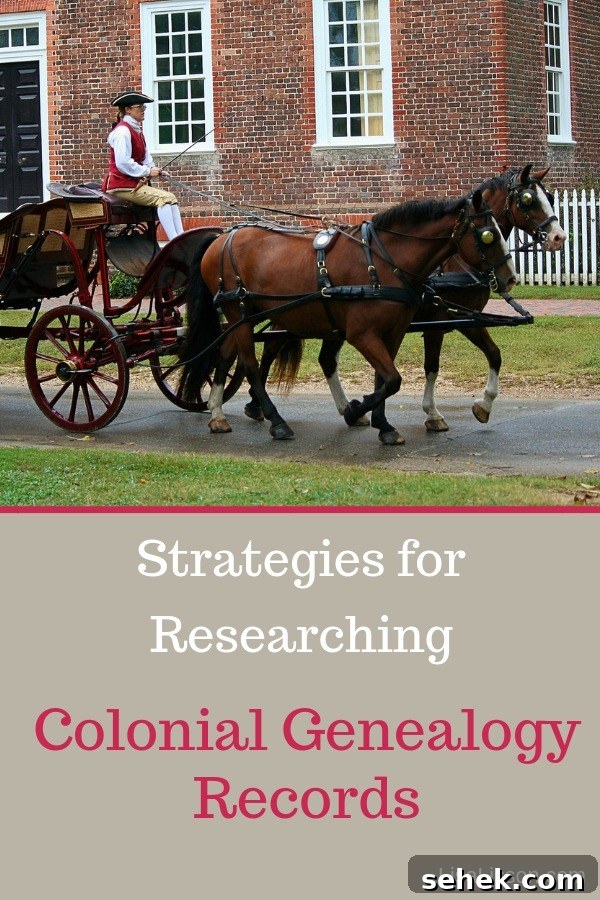
Historic Events in Colonial America
Historical events and local social history shaped the lives of colonial Americans and therefore the records they left behind. Below are a few pivotal events to keep in mind when searching colonial records.
May 1607 — Jamestown Settlement — Jamestown was the first permanent English settlement in North America, founded by 104 male settlers. The site and its associated research resources provide context and genealogical information useful for early Virginia research.
9 November 1620 — The Mayflower Lands — One hundred two passengers established Plymouth Colony. Millions of Americans now trace ancestry to those passengers; published passenger lists and descendant projects can be valuable for tracing lineages back to these early settlers.
1776–1783 — The American Revolution — The Revolution affected many lives. Military service and pension records, as well as other wartime documents, are important sources for finding ancestors who served or supported the conflict.
As you research, focus on the local history of the places your ancestors lived and how major events may have influenced their movements, occupations, and family choices.
Did Your Ancestor Come to Colonial America as an Indentured Servant?
Many immigrants to colonial America arrived between the 1630s and the Revolutionary era as indentured servants. Some volunteered and signed contracts for four to seven years, often arranged by agents, while others were indentured through court orders or punishment. At the end of service, many received freedom and sometimes land or money as part of the terms.
Court records can document those who were indentured by force. If you suspect indentured status, search records such as court proceedings, indenture registers, and port records.
Start your search for indentured ancestors with these types of resources:
- The Proceedings of the Old Bailey
- Virtual Jamestown indenture records
- Early settlers databases for specific colonies, such as Maryland
Remember the Standard Genealogy Records
Alongside specialized colonial sources, don’t neglect the usual record types. Wills, tax lists, land deeds, town records, and church registers frequently hold the essential clues you need.
Wills and Estate Records
Wills and probate records reveal family relationships, property distributions, and other clues. Learn the terminology and inheritance laws relevant to the period you are researching. When in doubt, contact archive staff for clarification or guidance.
Tax Records
Tax lists can be incomplete or hard to read, but they can place an ancestor in a location and a timeframe. Finding your ancestor in tax records is a big step forward in establishing residence and community ties.
Land Records
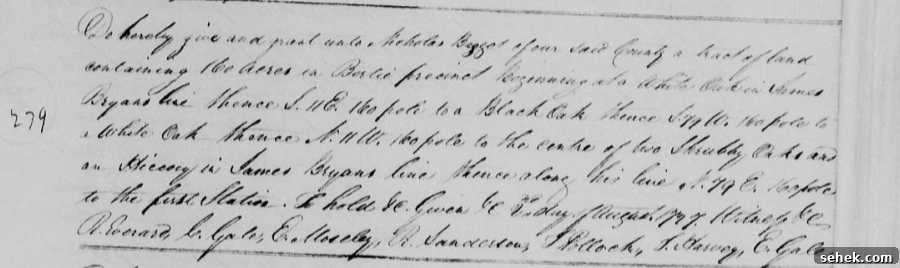
Deeds and land grants are powerful evidence of residence, family relationships, and economic status. If land records for a county were lost to fire or other disasters, look for alternatives such as neighboring county records, state records, or abstracts that reference the lost documents.
Town Records
New England town records are among the most complete early sources, often containing vital records and town meeting minutes. In many southern areas, such records are scarcer, so you may need to rely more on other document types.
Church and Parish Records
Church registers can extend back centuries and include baptisms, marriages, and burials. Catholic diocesan records in the U.S. have been increasingly digitized and can be especially valuable for tracing families.
Use PERSI for Historical and Genealogical Articles
The Periodical Source Index (PERSI) indexes millions of entries in genealogical and historical publications. It points to articles, biographies, cemetery transcriptions, and family studies that might not be available online. PERSI is a useful tool for finding printed material and obscure publications that can break research brick walls.
Special Collections
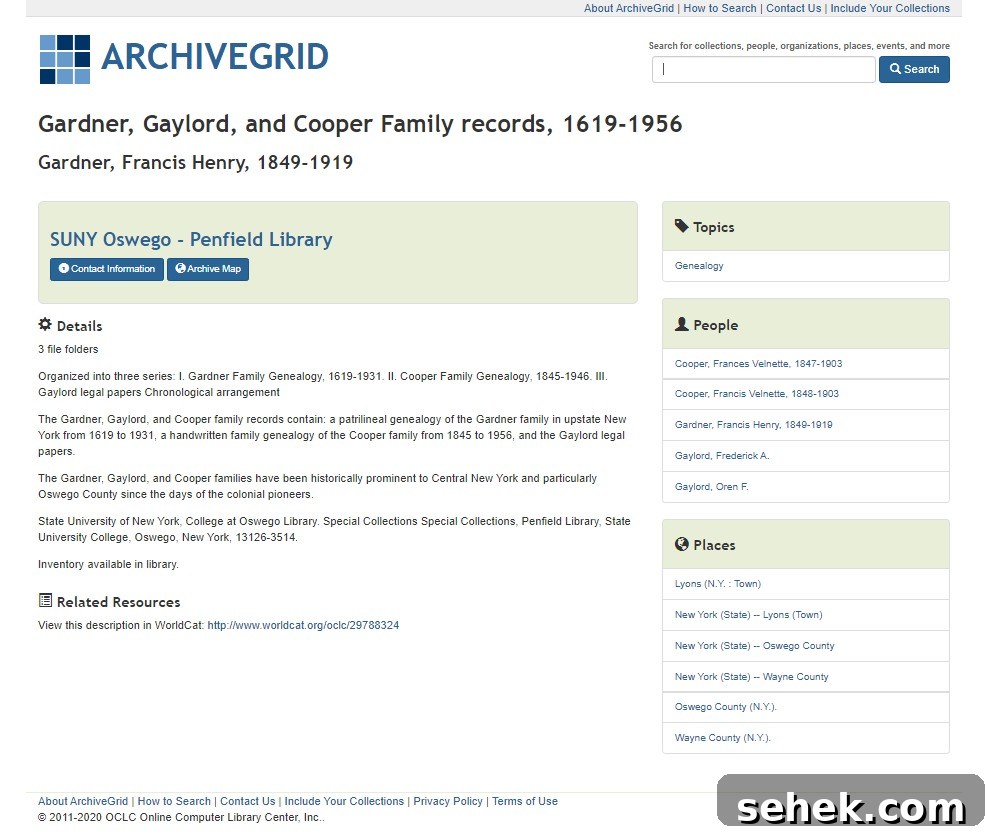
Repositories, libraries, and universities often hold special collections with family papers, letters, business records, and other primary sources. Check archive finding aids and databases that index special collections to discover unique materials related to your family.
Where to Locate Colonial Genealogy Records

Finding the right colonial records often requires persistence and a multi-pronged search strategy.
County Courthouses & State Archives
Local county courthouses and state archives hold original records and guides to what survives for particular places and periods. Review their online catalogs and contact staff to learn what they hold and how to access it.
Ancestry.com
Large commercial sites like Ancestry.com host many colonial-era records. Use their card catalog to search by record type and location to find relevant collections.
FindMyPast
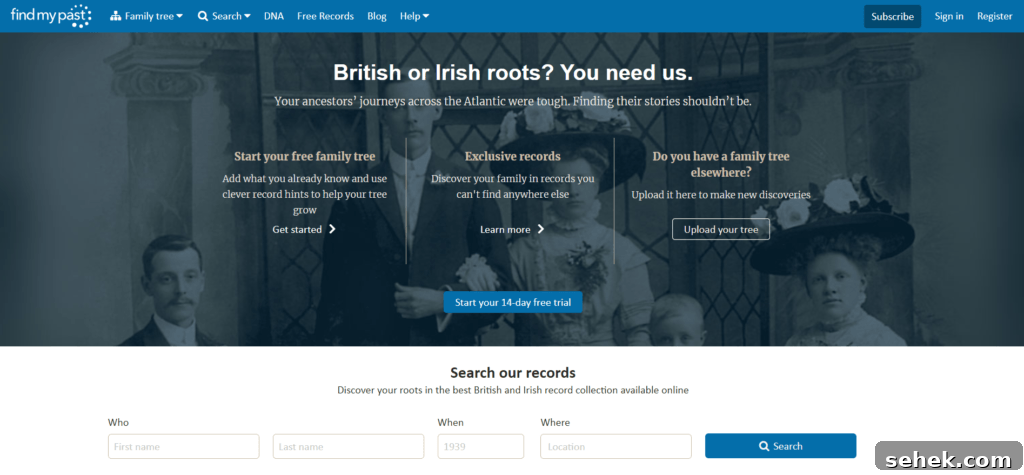
While strongly associated with British and Irish research, FindMyPast also offers American collections, including early vital records, family collections, and Catholic diocesan records. PERSI is accessible through FindMyPast and can be especially helpful for locating obscure published articles and genealogy resources.
Use a mix of local repositories, online databases, special collections, and published indexes to build the strongest case for each ancestor. Careful analysis of multiple record types and close attention to historical context will improve your chances of success.
Further Reading
- 7 Tips for Successful Genealogy Research in a Burned County
- How to Research Your Ancestors in a Location You Cannot Visit
- How to Perform Your Genealogy Searches More Successfully