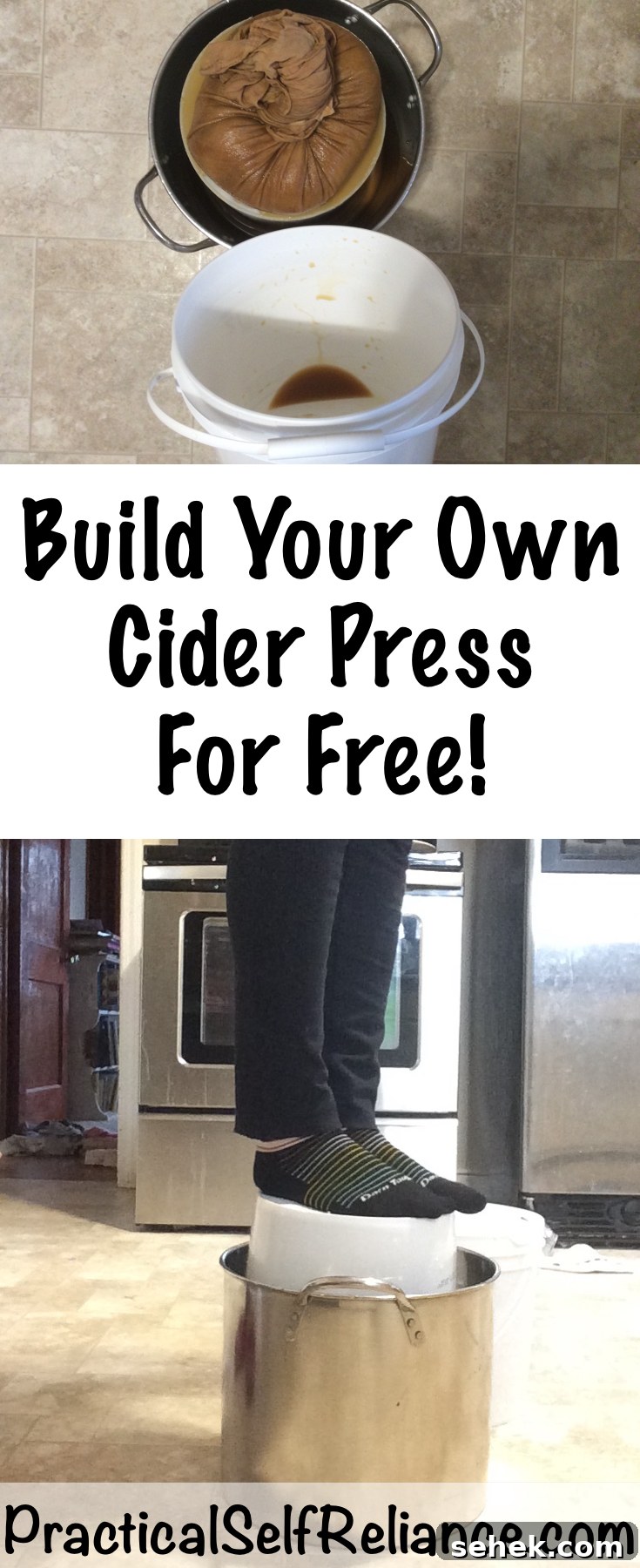
Pressing cider at home is an excellent way to preserve the fresh flavor of apples through the colder months. Fresh apple cider can be canned, frozen, or fermented into hard cider, and when made well it will keep for months. The main barrier for many people is the cost of commercial cider presses—large double-barrel presses can be expensive and impractical for occasional use.
A reader named Sasha shared a clever, budget-friendly solution: a homemade cider press built from recycled materials in minutes. Her design produces yields comparable to more expensive presses while using items most households already have. The setup is simple, reliable, and safe when used carefully.
How to Build a DIY Cider Press for Free
Materials:
- One 5-gallon bucket
- One slightly smaller bucket or large storage container
- Flour sack, dish towel, or pillowcase to hold the apple mash
- Large stock pot or an even bigger bucket to catch the juice
- Body weight (stand, sit, or two people stepping on the top bucket)
Begin by preparing the apples: core and chop them finely. A food processor can help get a finer mash quickly, but hand-chopping also works. If your apples have frozen, that can actually help—freezing bursts cell walls and often releases more juice during pressing.
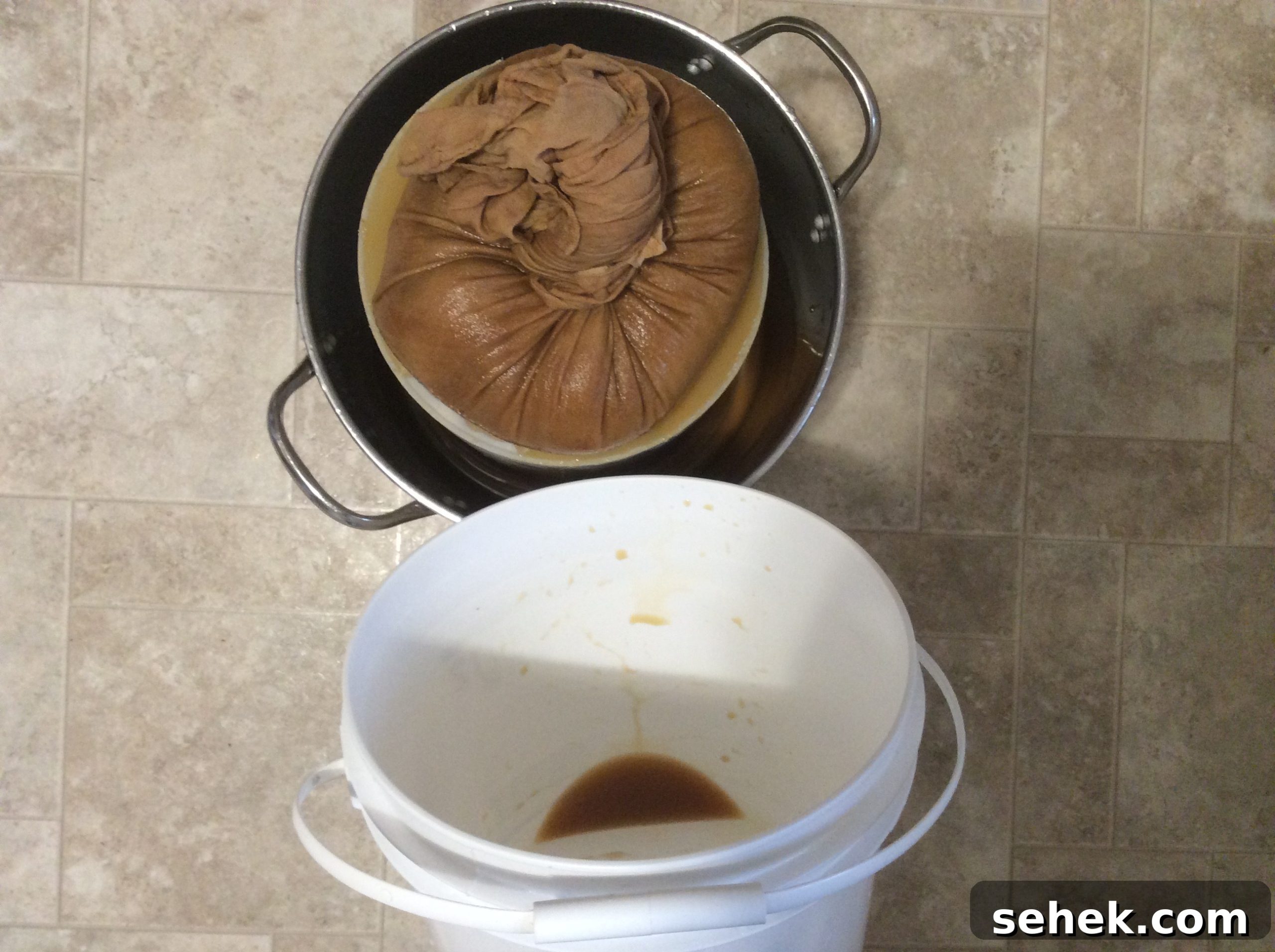
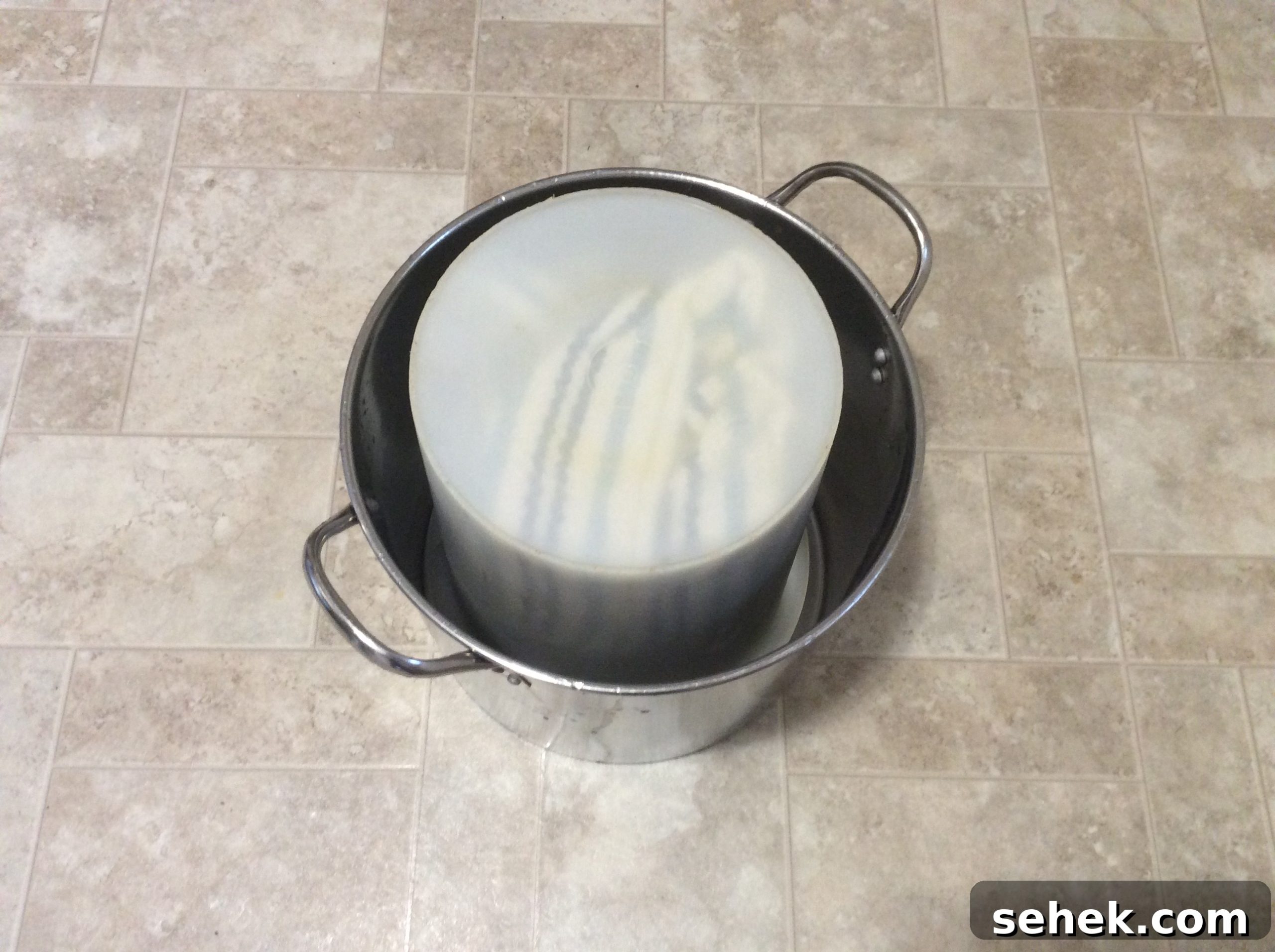
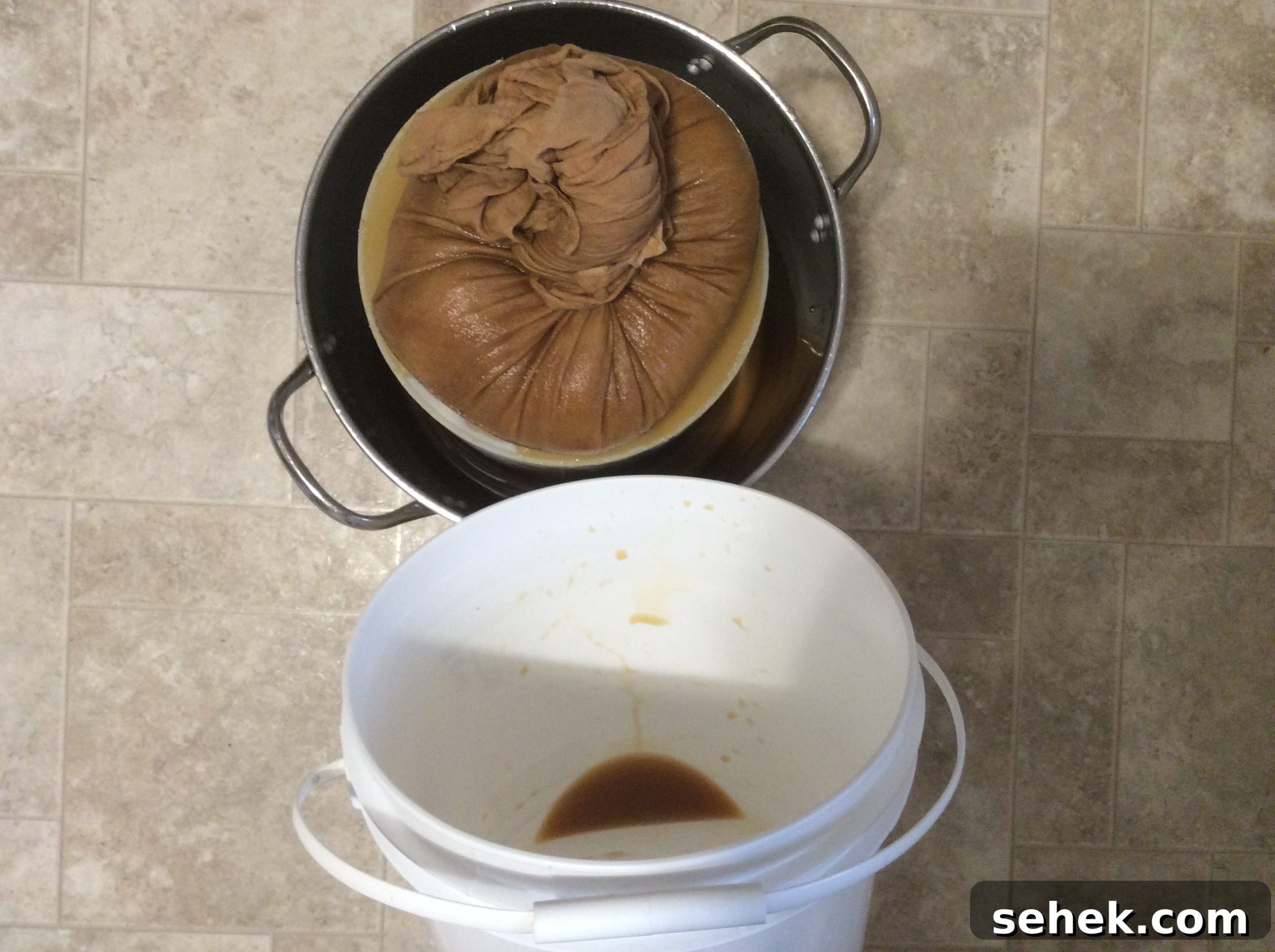
Next, use a flour sack, strong dish towel, or pillowcase to hold the chopped apples. Place the smaller bucket upside down inside the large stockpot or big catch container, and set the sack of apples on top of that inner, inverted bucket.
Cover the apples and inner bucket with the 5-gallon bucket, inverted so it presses down over the mash. Because the inner bucket is smaller than the outer bucket, there is a gap between them that allows juice to flow down the sides of the inner bucket and collect in the pot or larger container below.
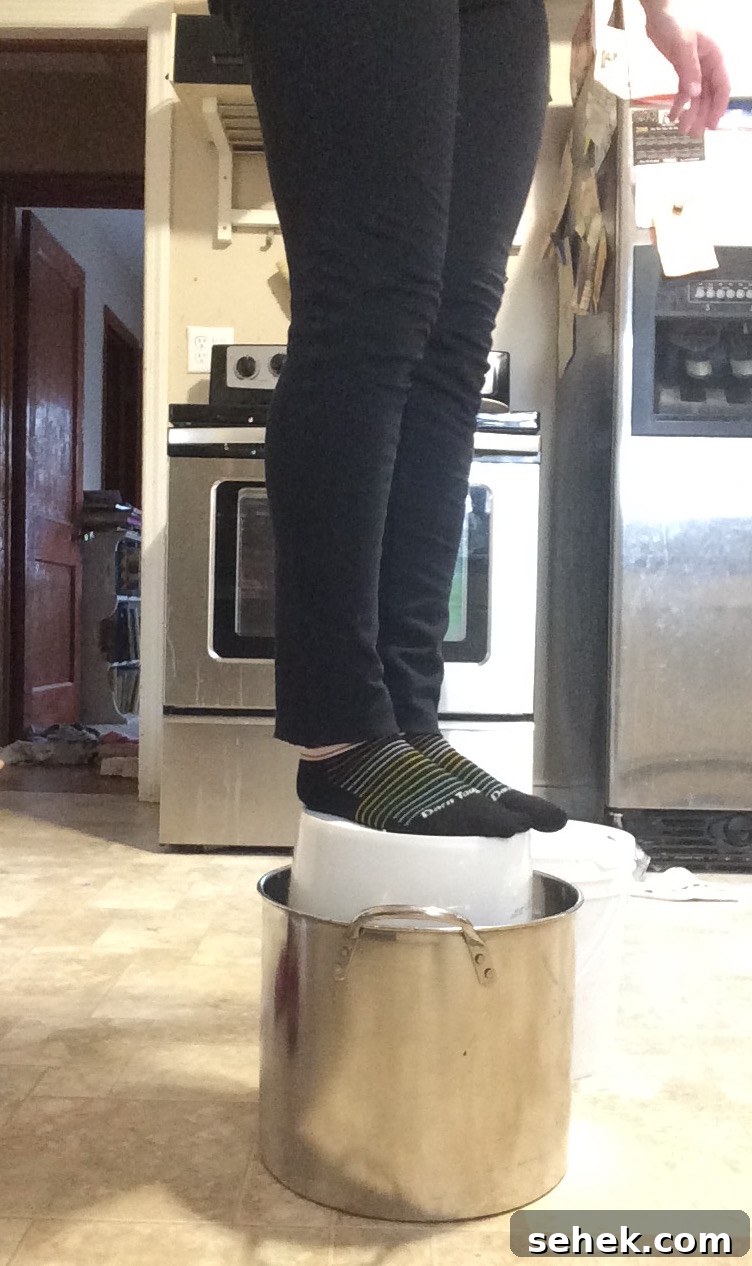
Apply pressure gradually. Start by sitting on the top bucket, then stand on it, and finally have two people stand on it if you need more pressure. The slowly increasing force helps extract juice without causing a sudden collapse or leaks. Sasha reports a consistent yield of roughly three quarts of cider from a single reusable grocery bag filled with chopped apples, which is comparable to results from many purpose-built presses.
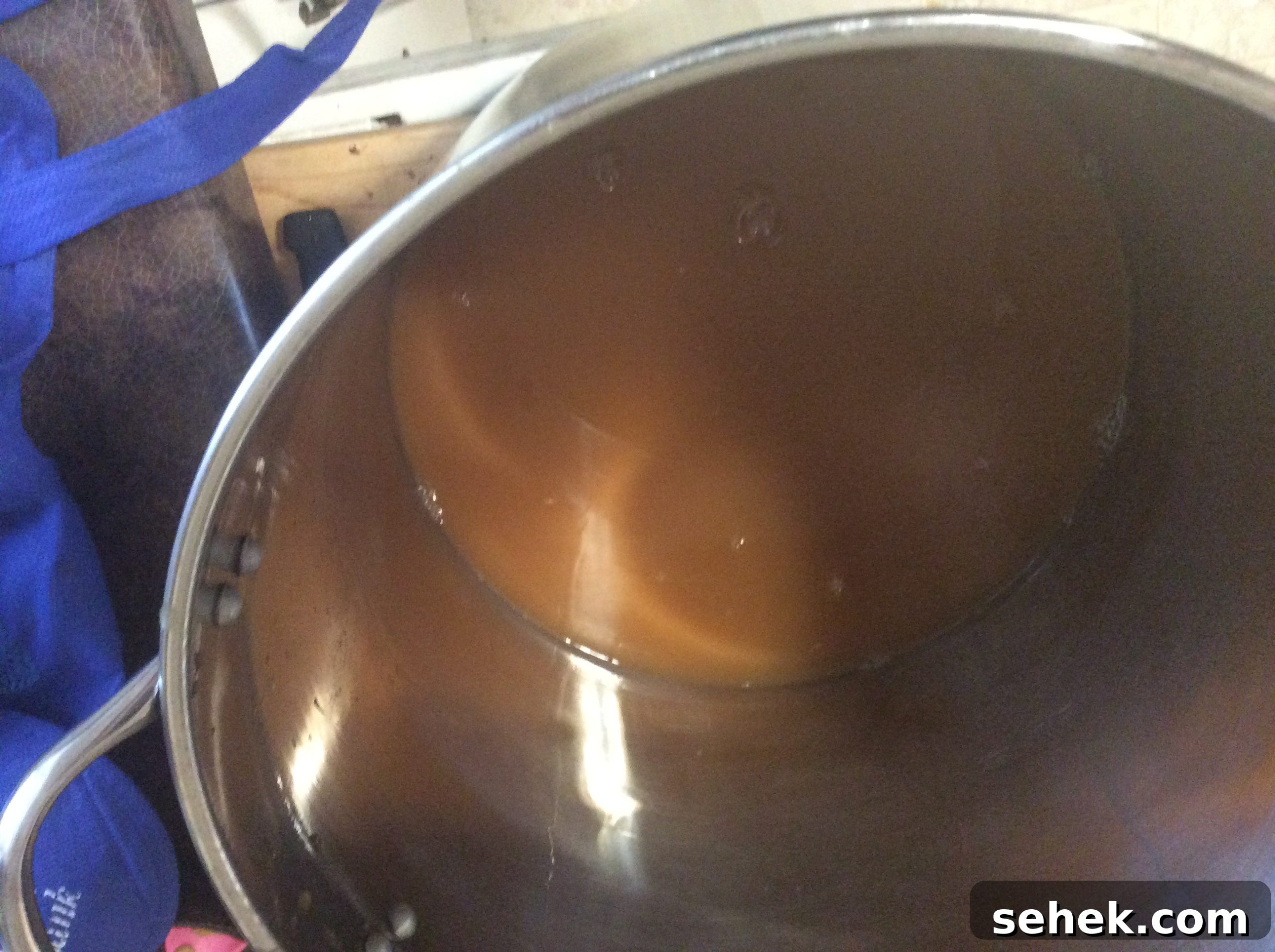
After pressing, filter the juice through a fine mesh cloth or cheesecloth to remove any small pieces of pulp that escaped the sack during pressing. Sasha also notes that the remaining mash can still contain moisture; she ran a squeezed batch back through a small squeezer to extract additional thick mash useful for apple butter.
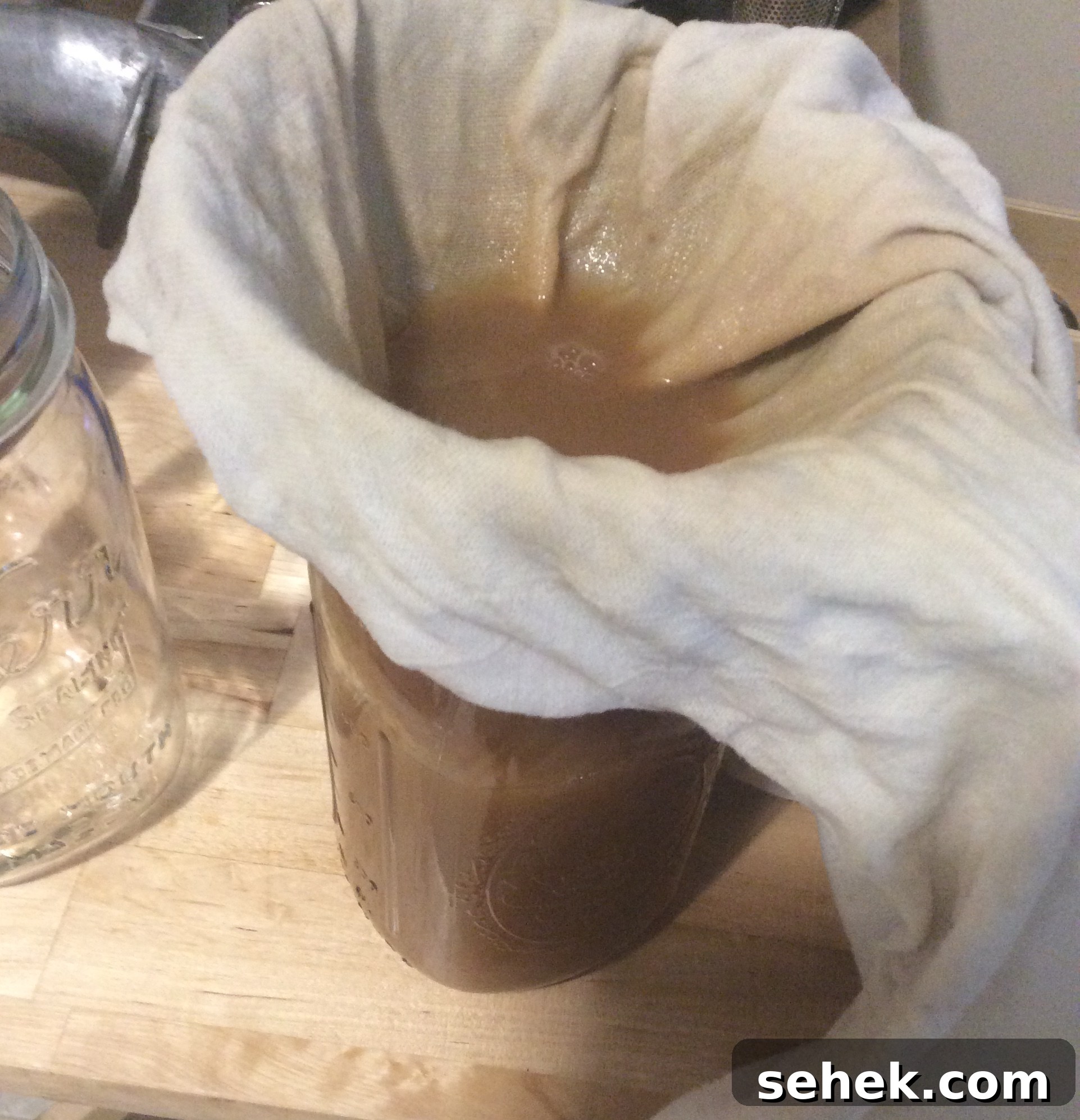
Sasha’s method produced about three quarts of cider suitable for home canning and roughly another quart of apple butter from the remaining mash after additional squeezing. The approach shows that with a little creativity and common household items you can press fresh cider economically and effectively.
Other Ideas?
Have you built a homemade cider press or adapted this method? Share your experience and tips. Photos and stories from readers help others learn practical variations and improvements, so consider submitting your setup for others to try.