River Roads
By CARL SANDBURG
Let the crows go on, busy with their rough caws.
They come from the deep night—places like the black hollows of old coal mines—bearing the grit of those hours in their voices.
Let them call; their cries belong to the long, shadowed lanes where darkness has been lived and learned.
Let the woodpecker continue its steady tapping on the hickory stump.
It has traveled through ages of color—through red and blue pools of memory—and those hues live in its feathers: blue tracing through the wings, red warming the crown of its head.
Let that red-capped drummer keep time against the bark, a small percussion marking the river’s pace.
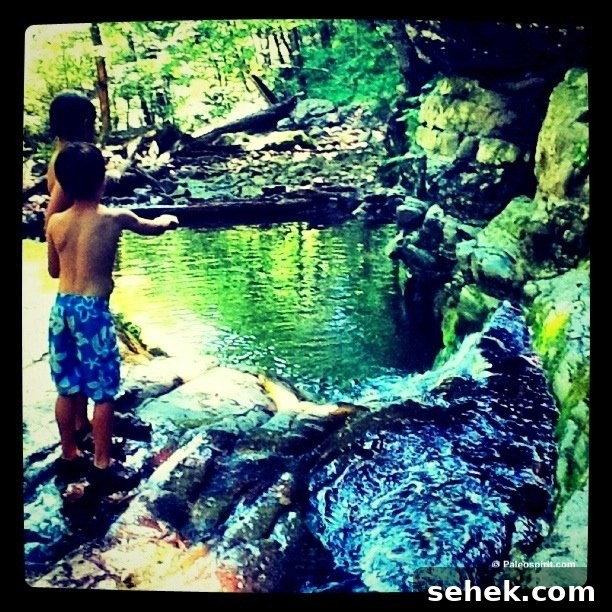
Let the dark water hold the birds like mirrors, reflecting their shapes and the sky above.
If the surface of the pool is willing, let it tremble and blur as wings pass—a soft disturbance, an echo of older flights from far-off places.
Let the redwing streak a bright vermilion line across the green bands of the woodland, a slash of color that moves the eye along the river roads.
Let the morning mist along the river lay itself in folds, laying down purple shadows that hang like a woman’s shawl over lazy shoulders—gentle, familiar drapery of fog and light.
The river roads invite a quiet attention. They are routes of motion and memory where birds and water and trees share a language of rhythm and color. The crows, with their raw-sounding calls, announce the dark histories of the land, while the woodpecker’s drum keeps a heartbeat against the living wood. Together they form a soundtrack for the tidal walk of the river—calls that travel over water, bounce off trunks, and settle into the still places.
These scenes are small history lessons. The birds are carriers of seasons and stories: a redwing’s flash can mark a migration, a woodpecker’s tapping can signal territory and time. The pools act as natural mirrors, preserving and softening the images of sky and wing, and the mist ties everything together, dressing the day in quiet color. Walking the river roads, one notices how light and sound and movement compose themselves into a continuous, changing picture.
Nature along the river is both vivid and subtle. Colors—vermilion, deep blue, the brown-black of coal-dark nights—appear as accents that animate the scenery, while patterns of sound and motion give the place its pulse. The interplay of bird song, drumming, reflected images, and drifting fog creates a layered experience: sensory, contemplative, and full of small revelations for anyone who pauses to listen.
So let the crow have its caw and the woodpecker its steady drum. Let the pools keep their reflections, sometimes trembling, sometimes still. Let the redwing’s streak and the mist’s shawl continue to shape the river’s edges. These are the elements that mark the river roads—pathways of water and wing, of color and sound—that lead anyone willing to walk them into a quieter, fuller way of seeing the landscape.