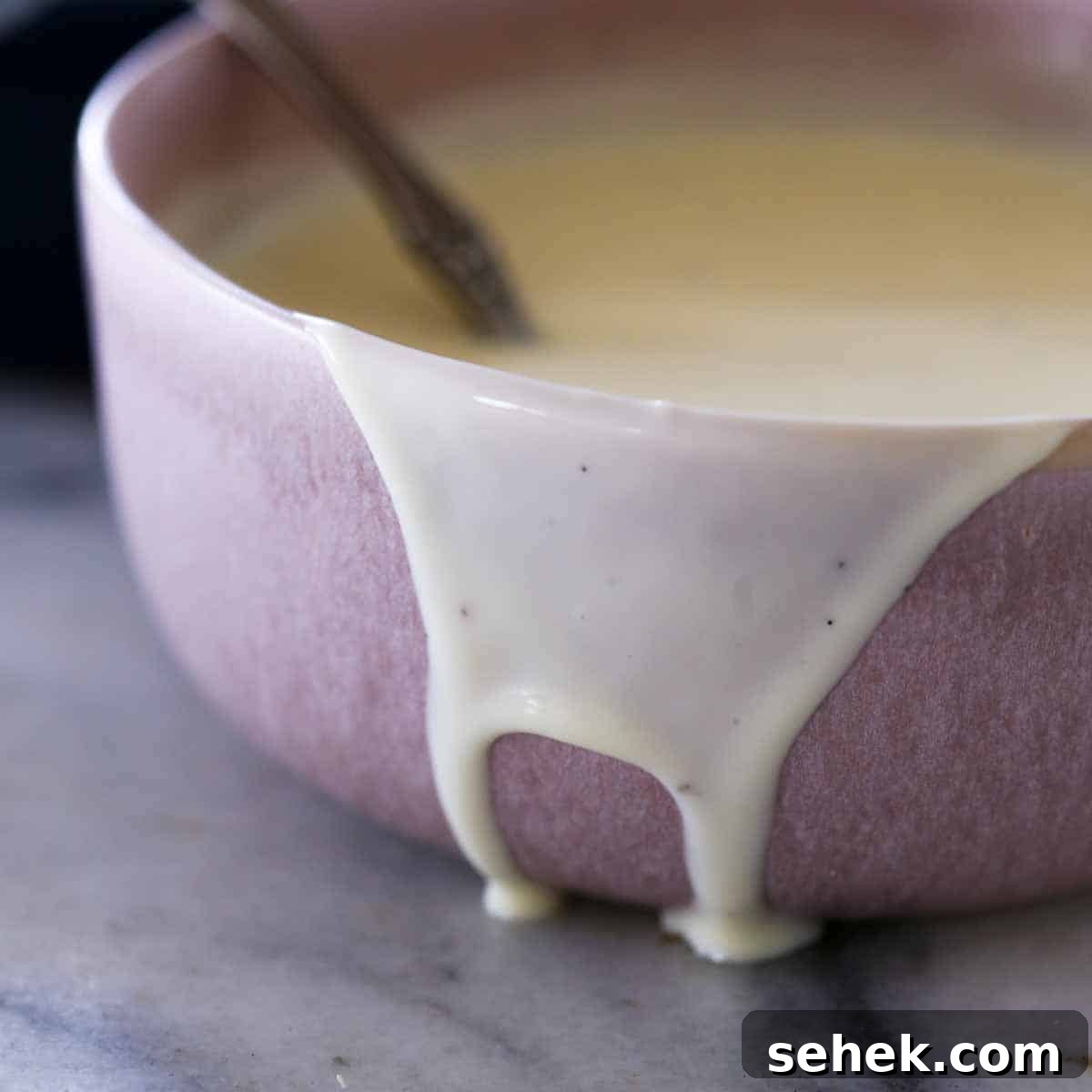
This crème anglaise is a classic vanilla custard sauce—silky, aromatic and versatile. Use it to top tarts and cakes or as a warm or chilled dipping sauce for cookies and brownies. This professional pastry chef recipe yields a smooth, flavorful anglaise that is an elegant, easy alternative to ice cream.
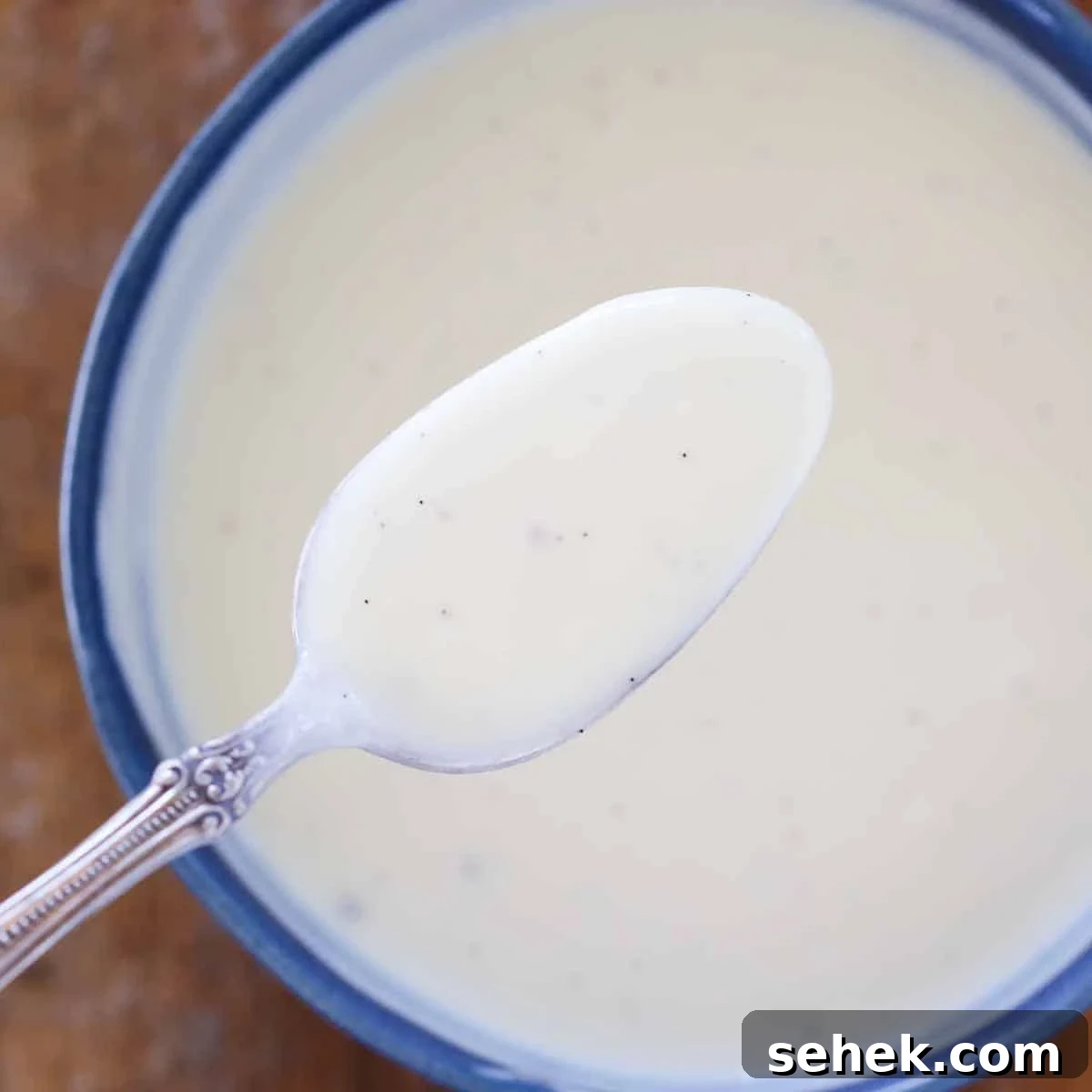
A Quick Look At The Recipe
Prep Time
20 minutes
Total Time
20 minutes
Servings
20 people
Difficulty
Easy
Calories *
150 kcal per serving
Technique
Cook custard, strain, cool and store.
Flavor Profile
Creamy vanilla bean stirred custard.
* Based on nutrition panel
This was easy and delicious. Compliments from our visiting French guests! ⭐⭐⭐⭐⭐
Soraya
Crème anglaise is a foundational sauce in French pastry. Like crème pâtissière, it’s extremely adaptable: pour it over cakes and pies, serve it with fruit, use it as a dipping sauce for baked goods, or plate it beneath meringues. Its smooth texture and balanced sweetness elevate many desserts.
The sauce combines cream and milk with real vanilla for depth, then is thickened gently with whole eggs. It finishes silky and just sweet enough. You can also flavor it with spirits, fruit purées or chocolate to suit the dessert you’re serving.
Table of Contents
- Why This is the Best Crème Anglaise
- Professional Tips for Making Crème Anglaise
- Ingredients Needed
- Variations & Substitutions
- What is crème anglaise used for?
- How to Make Crème Anglaise
- How to Fix a Broken Custard Sauce
- Chef Lindsey’s Recipe Tip
- Frequently Asked Questions
- Crème Anglaise Recipe
- Before You Go
Why This is the Best Crème Anglaise
- Ideal consistency. The balance of cream to milk and the use of whole eggs produce a custard sauce that is rich yet pourable—perfect for drizzling or plating.
- Tested by a pastry chef. This method has been refined in professional kitchens for consistent results, from small batches to large yields.
- True vanilla flavor. A split vanilla bean combined with vanilla extract builds a complex, aromatic base. Proper sugar levels protect the eggs during cooking and bring out the vanilla notes without overpowering them.
Professional Tips for Making Crème Anglaise
- Bring the milk and cream to a rolling boil. Heating the dairy to a full boil before tempering activates the proteins that thicken the sauce and helps develop a richer texture. Sugar helps reduce scorching.
- Finish heating the custard slowly. After tempering, cook the custard gently to about 178°F (82°C). This step ensures food safety and gives the sauce the ideal nappant, or coating, consistency.
- Cool quickly to stop cooking. Residual heat can continue to thicken the custard. Transfer the sauce to a bowl set in an ice bath and stir to cool quickly, which preserves a smooth texture and prevents over-thickening.
Ingredients Needed
- Heavy cream: Adds body and richness to the custard.
- Whole milk: Provides balance and helps the sauce remain pourable.
- Granulated sugar: Sweetens and protects the milk and eggs during heating.
- Kosher salt: Enhances flavors without adding sweetness.
- Vanilla bean: Split and scraped for seeds; the pod can infuse the dairy for extra depth.
- Vanilla extract: Added for additional vanilla aroma.
- Whole eggs: Whole eggs simplify the recipe and create the ideal texture for a sauce rather than a thick pastry cream.
See the recipe card below for exact quantities and yield.
Variations & Substitutions
- Half-and-half: You can use half-and-half in place of the combined milk and cream for a slight simplification.
- Fruit-flavored anglaise: Fold cooled fruit purée into the chilled custard a little at a time to prevent splitting. Taste and adjust gradually—very acidic fruits require care.
- Chocolate anglaise: Pour the hot custard over chopped chocolate, let it sit until the chocolate softens, then whisk to a glossy chocolate sauce and cool.
- Other flavor ideas: Infuse spices with the milk and cream, stir in caramel, or add a splash of liquor for an adult twist.
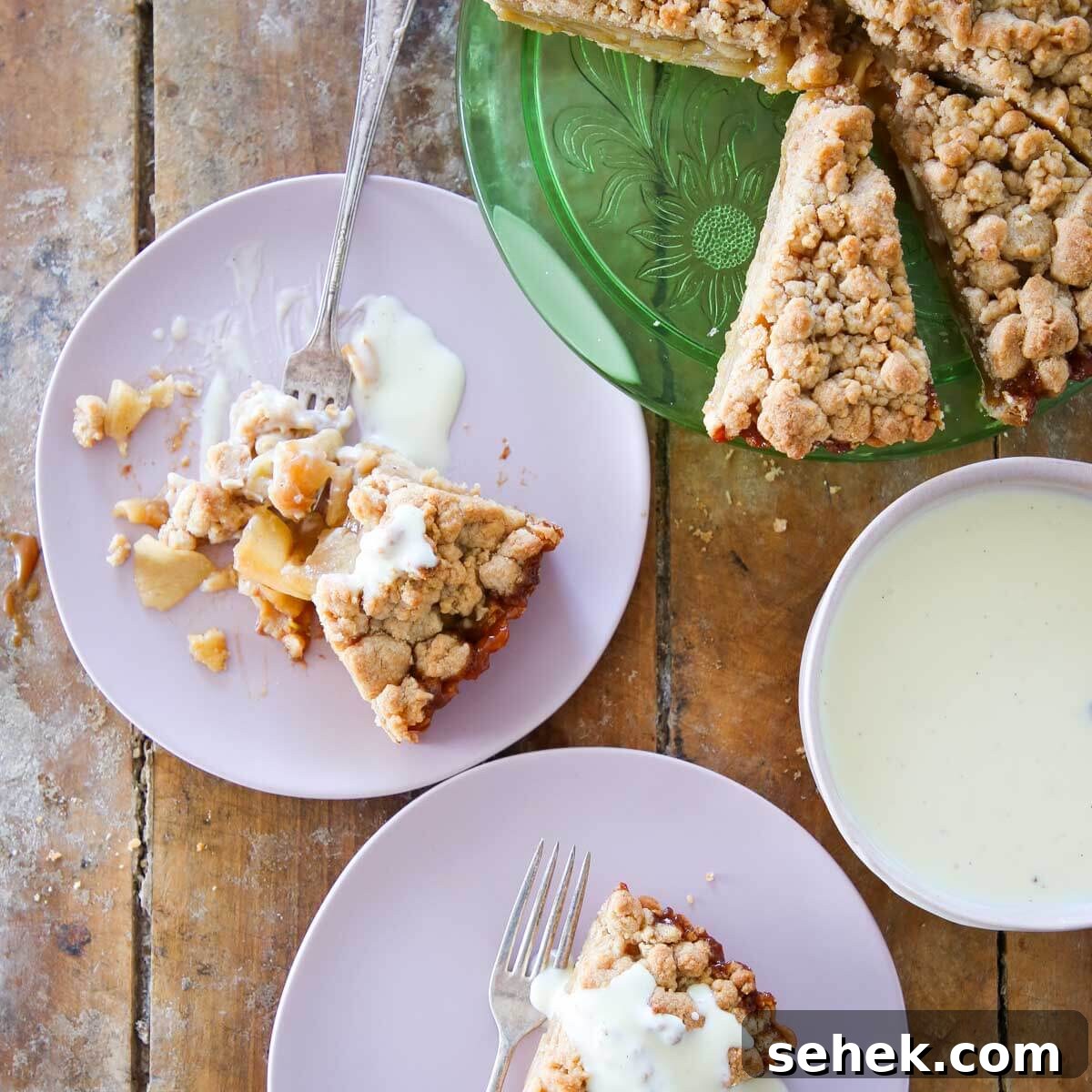
What is crème anglaise used for?
Crème anglaise offers a cool, creamy contrast to many desserts. Its vanilla base complements chocolate, stone fruits, spice cakes and nut-forward desserts. It can be poured, drizzled, or used as a dipping sauce.
- Plating sauce: Serve it under or alongside rich cakes, tarts and pies to add moisture and flavor contrast.
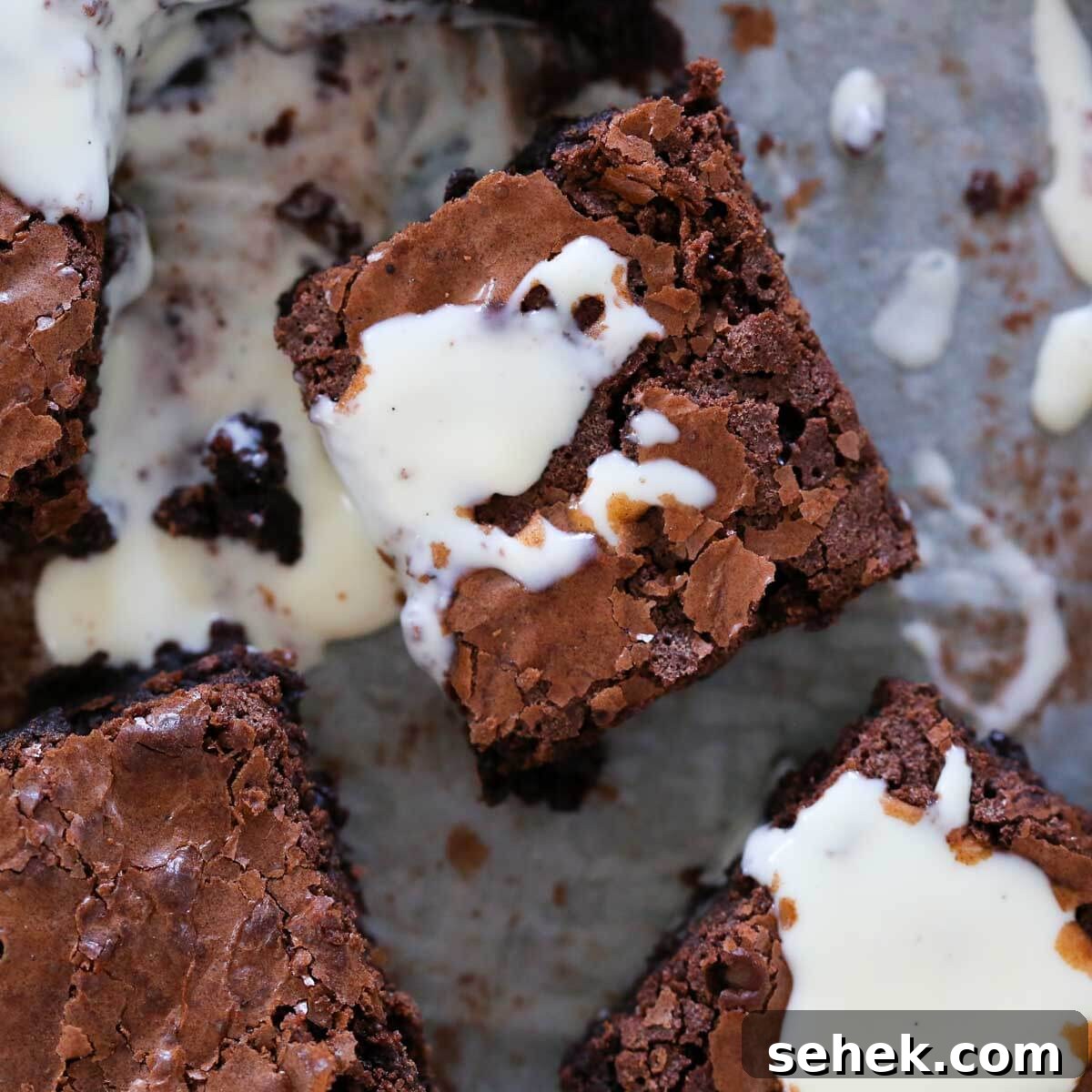
- Dipping sauce: Warm or room-temperature anglaise is perfect for dipping cookies or brownies—add a splash of whiskey or liqueur for variety.
- Classic desserts: Use it with floating island (île flottante) or to accompany baked meringues, pavlovas and bread puddings.
How to Make Crème Anglaise
Follow these steps for a reliable, classic anglaise. Exact measurements are listed in the recipe card below.
Step 1: In a heavy-bottomed saucepan combine cream, milk, half the sugar, salt and the split vanilla bean pod and seeds. Bring to a full rolling boil, then remove from heat to infuse.
Step 2: Whisk the eggs with the remaining sugar until the mixture lightens to a pale yellow.
The sugar divided between the dairy and the eggs serves two purposes: it helps prevent scorching when heating the milk and helps temper the eggs when combining the hot dairy.
Step 3: Temper the eggs by whisking about ¼ of the hot milk mixture into the eggs, then another ¼. Stir, then pour the egg mixture back into the pot with the remaining milk.
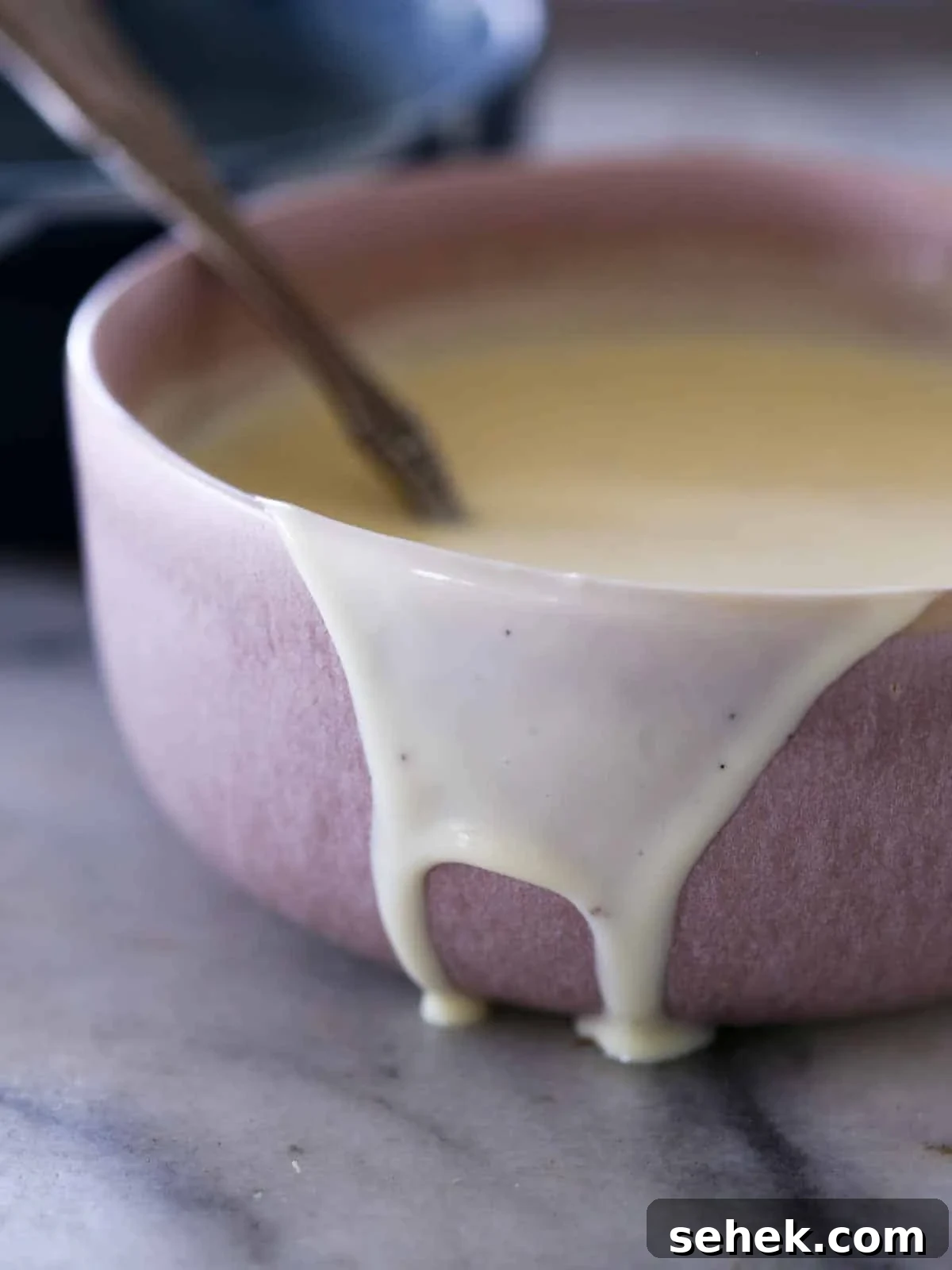
Step 4: Heat the mixture over medium heat, stirring constantly, until the custard reaches about 178°F (82°C) or is nappant—coating the back of a spoon so a clean line holds when you run your finger through it.
To check nappant, draw a finger through a thin layer on the back of a wooden spoon or spatula. If the line remains and the sauce doesn’t immediately run to cover it, the consistency is correct.
Step 5: Strain the custard into a clean bowl, cover the surface with plastic wrap to prevent a skin, and chill quickly in an ice bath. Stirring in the ice bath speeds cooling and halts further thickening.
How to Fix a Broken Custard Sauce
Even with care, custards can split. Here are practical fixes learned from professional kitchens.
- If the sauce curdles while cooling, try blending it with an immersion blender to smooth it out.
- If it overheats, immediately transfer to a metal bowl set in an ice bath and stir to cool; if separation remains, blend.
- If the custard smells strongly of cooked eggs, it is overcooked and should be discarded and remade.
- Yellow, curdled texture usually means the heat was too high or stirring was insufficient; lower heat and constant stirring prevent this.
Chef Lindsey’s Recipe Tip
If you bring the milk and cream to a full boil before tempering the eggs, you can skip the final long cook. The sauce will be safe to eat but slightly looser in texture. For the classic nappant consistency, finish by gently heating to the recommended temperature.
Frequently Asked Questions
Cool the custard with plastic wrap directly on its surface to prevent a skin, then transfer to a clean container. Refrigerate for up to 10 days. Freezing is not recommended as the texture will suffer.
Technically yes, but this recipe is formulated as a sauce and contains less fat and yolk than a classic ice cream base. Using it for ice cream often yields an icy texture. Use a specific ice cream custard recipe for best results.
Vanilla crème anglaise is a loose stirred custard flavored with vanilla. It’s made by heating milk and cream, infusing with vanilla, then tempering into whisked eggs and cooking gently until thickened. It’s normally served chilled as a sauce.
Crème anglaise is a stirred custard kept pourable. Pastry cream is thicker and often uses only yolks and starch to achieve a spreadable consistency. Baked custards like crème brûlée are similar in ingredients but are set by baking rather than stirring on the stove.
If you try this recipe and enjoy it, please leave a star rating and a comment. Feedback from readers is appreciated and helps others find reliable recipes.
Crème Anglaise
Ingredients
- 2 cups heavy cream
- 2 cups whole milk
- 1 cup granulated sugar, divided
- ½ teaspoon kosher salt
- 1 vanilla bean, split and scraped
- 5 whole eggs, large
Instructions
- In a heavy-bottomed saucepan combine the cream, milk, half the sugar, salt and the split vanilla bean (seeds and pod). Bring to a rolling boil, then remove from heat to infuse briefly.
- While the milk mixture heats, whisk the eggs with the remaining sugar until pale and slightly thickened.
- Temper the eggs by whisking about ¼ of the hot milk into the eggs, then another ¼. Pour the tempered egg mixture back into the saucepan with the remaining milk mixture.
- Return to medium heat and cook, stirring constantly, until the custard reaches about 178°F (82°C) or is nappant—coating the back of a spoon so a clean line holds when you run a finger through it.
- Strain the custard through a fine-mesh sieve into a bowl, press plastic wrap onto the surface to prevent a skin, and cool quickly in an ice bath. Chill before serving.
Notes
Yield: 4 cups.
Variations: Stir chopped chocolate into the hot custard to make chocolate anglaise, or flavor cooled sauce with fruit purée, caramel or a splash of liqueur.
Storage: Refrigerate up to 10 days. Do not freeze.
The recipe scales easily—halve or multiply as needed.
Nutrition
Calories: 150 kcal per serving | Carbohydrates: 12 g | Protein: 3 g | Fat: 10 g
Before You Go
I hope you enjoy this chef-tested crème anglaise. Use it to enhance desserts and experiment with flavors—infuse spices, fold in fruit purée, or add a touch of caramel. This simple sauce is a quick way to make weeknight desserts feel special and restaurant-worthy.