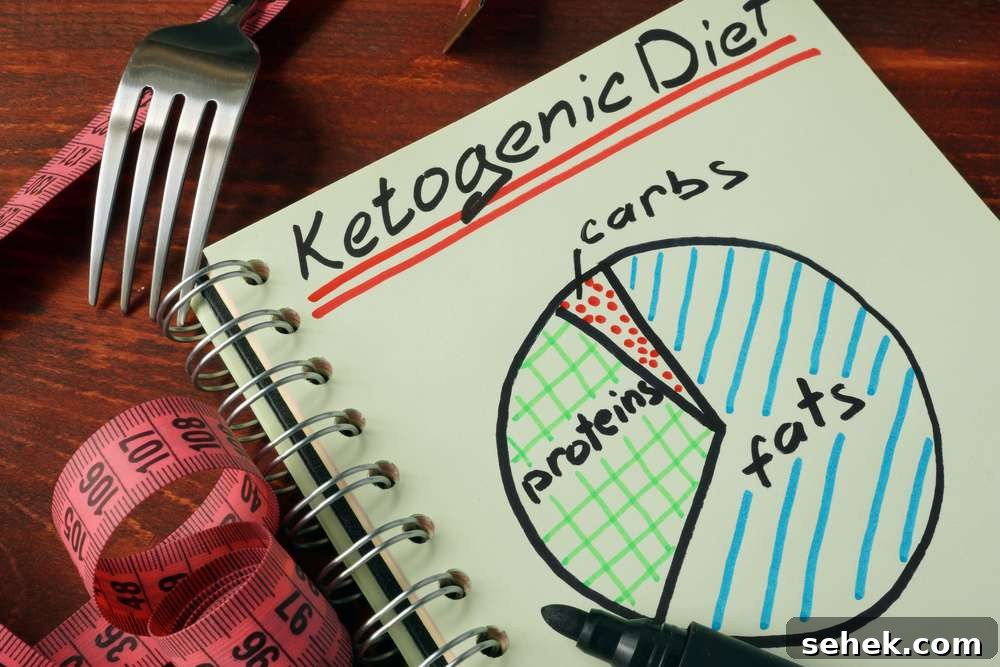
We live in a carbohydrate-focused world, and the rise of the ketogenic diet has felt revolutionary for many. That shift, however, can be a shock to the system. “Keto flu” is a real and common reaction that discourages some people from continuing the diet. Before discussing how to prevent or treat it, let’s review what the ketogenic diet actually involves.
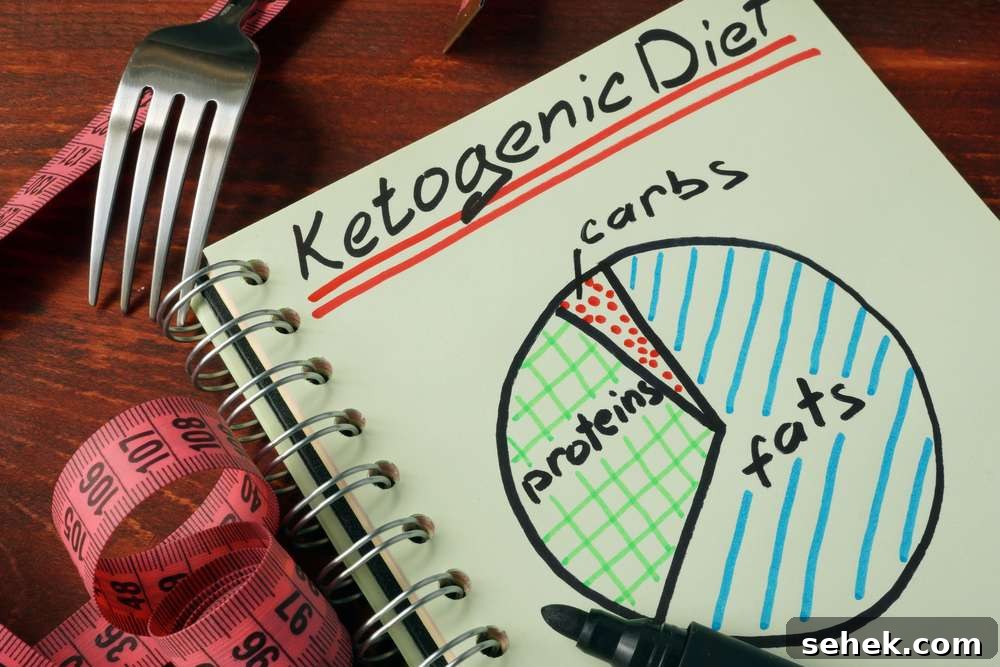
The ketogenic diet is a high-fat, very low-carbohydrate eating plan. On a strict keto protocol, the majority of daily calories—often over 80%—come from fat, carbohydrates are typically limited to around 15 grams per day, and protein is consumed at about 1 gram per kilogram of body weight. Because most people normally get a large portion of calories from carbs, switching to keto is usually a significant change in food choices and energy sources.
Interesting fact: the original ketogenic diet was developed as a treatment for epilepsy in children.
What Is Keto Flu?
Keto flu describes a cluster of flu-like symptoms that can occur when someone starts a low-carbohydrate diet. These symptoms come from the body adapting to a new fuel source. When you abruptly remove carbohydrates, which your body is accustomed to using for energy, it must shift toward using fat and producing ketones. During that transition, you can experience uncomfortable symptoms as metabolism adjusts.
Prevention: How to Reduce Your Risk
Preventing keto flu is often easier than treating it. A few practical strategies can reduce the likelihood and severity of symptoms as you transition to ketogenic eating.
Make Carb Reduction Gradual
Eliminating all carbs overnight increases the chance of feeling poorly. A gradual reduction helps your body adapt more smoothly. Start by cutting processed carbohydrates, then reduce grains, and finally lower intake of fruit and starchy vegetables. Slowing the transition gives your metabolism time to adjust.
Increase Electrolyte Intake
Keto flu is frequently driven by electrolyte imbalances. Cutting processed, salty foods tends to reduce water retention—and with that water loss you also lose electrolytes like sodium, potassium, and magnesium. To counteract this, add a little more salt to your meals, drink bone broth, consider magnesium supplementation, and eat potassium-rich foods such as avocados, nuts, leafy greens, and salmon.
Stay Hydrated
As your body sheds excess water, staying hydrated is essential to avoid fatigue, headaches, and nausea. Regularly drink water, herbal teas, and broths to maintain fluid balance and support recovery.
Keto Flu Symptoms to Watch For
If you suspect you have keto flu, common symptoms include:
- Nausea
- Stomach aches
- Brain fog
- Diarrhea or constipation
- Dizziness or lightheadedness
- Irritability
- Difficulty concentrating
- Muscle cramping or soreness
- Insomnia or disturbed sleep
How to Recover from Keto Flu Quickly
Restore Electrolytes
Electrolyte balance is central to preventing and easing keto flu. Increasing salt intake, consuming potassium-rich foods and leafy greens, and supplementing with magnesium can speed recovery and reduce symptoms.
Prioritize Sleep
Getting sufficient sleep is important while your body switches fuel sources. Adequate rest reduces stress on the body and supports metabolic adaptation, helping to ease fatigue and brain fog.
Keep Moving with Light Exercise
Although energy may be lower at first, gentle exercise—such as light jogging, brisk walks, or short workouts a couple of times per week—can help your body become more efficient at switching between fuel sources. This can accelerate adaptation and reduce symptoms.
Increase Healthy Fats and Calories
When you remove carbohydrates, ensure the lost calories are replaced with appropriate keto-friendly fats. Providing your body with sufficient energy from fats helps it transition more smoothly and prevents excessive fatigue or irritability.
Consider Exogenous Ketones
Exogenous ketones are supplemental ketone bodies that can raise blood ketone levels temporarily. Some people find they ease transition symptoms and help the body enter ketosis faster, though they should be used thoughtfully as part of an overall plan.
Patience and Perspective
With sensible preparation and the strategies above, many people reduce or avoid keto flu entirely. If you do experience symptoms, remember they are usually temporary: the initial adjustment period typically fades as your metabolism adapts. For many, enduring this transition leads to long-term benefits such as weight loss, improved energy once adapted, and fewer digestive issues. Be patient with the process and prioritize hydration, electrolytes, rest, and balanced calories while your body adjusts.