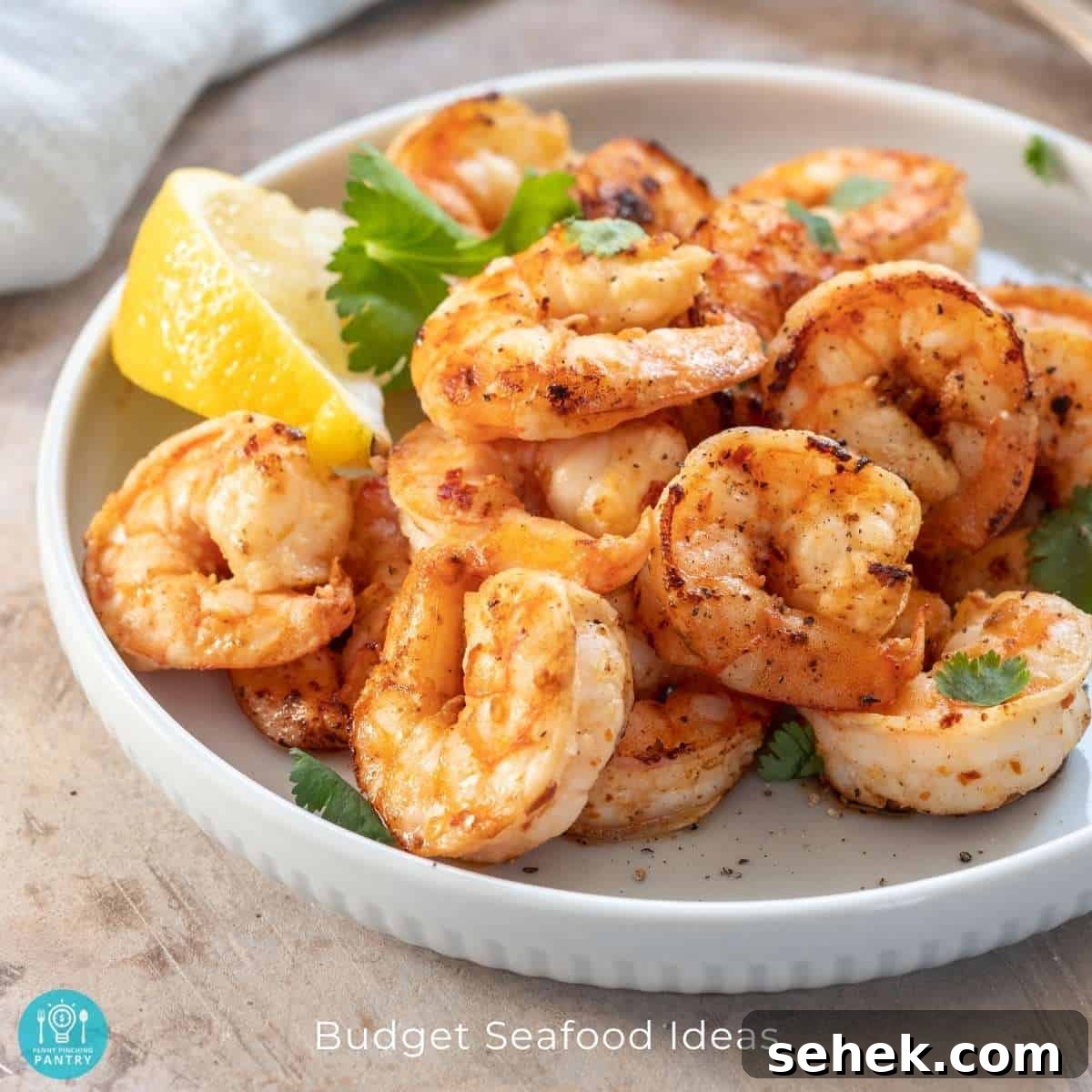
Eating seafood can feel luxurious without costing a fortune. With smart shopping, simple swaps, and a few time-saving techniques, you can enjoy delicious fish and shellfish regularly while keeping your grocery bill in check.
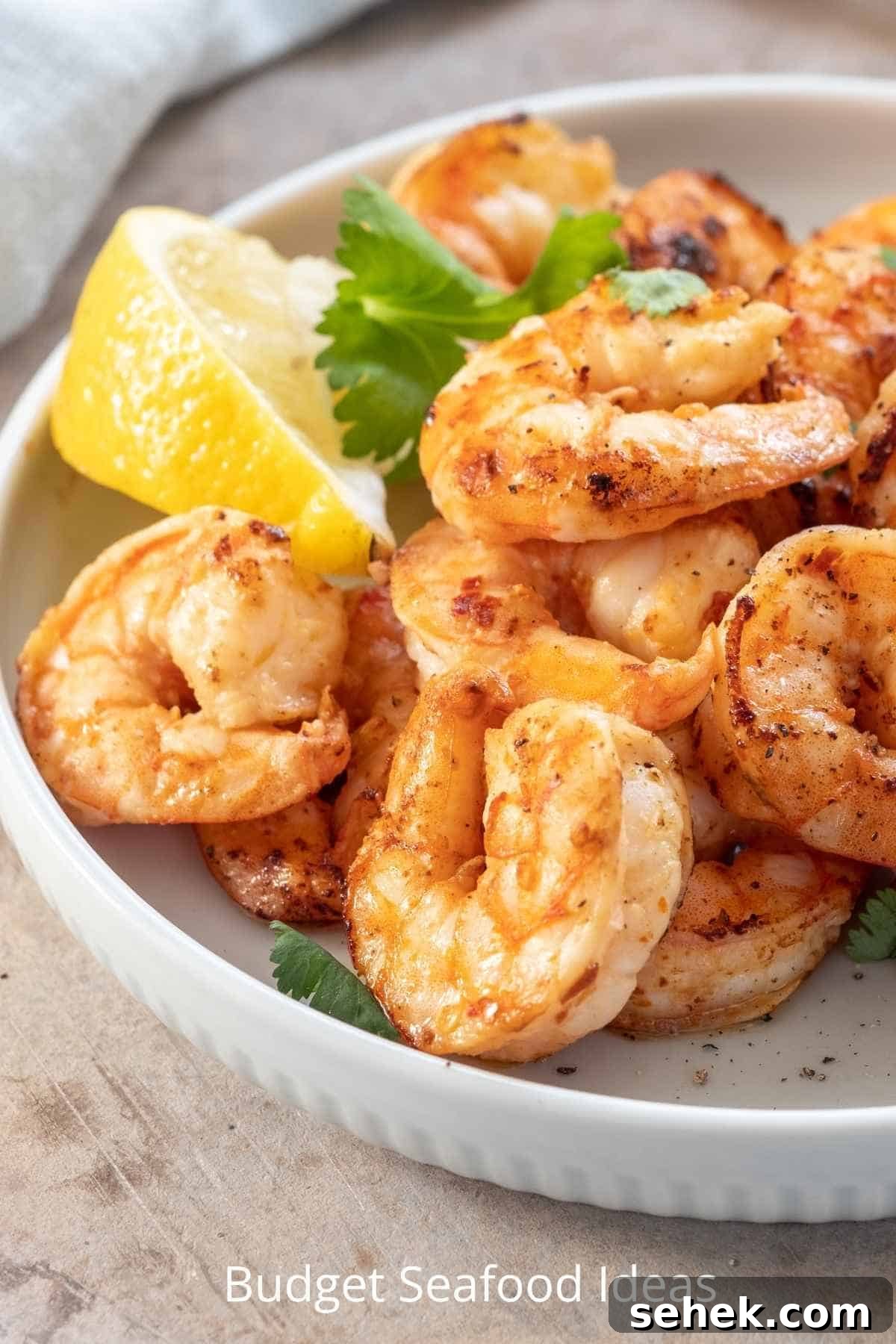
The right recipes and a little planning expand your options: seafood isn’t only for special occasions. With a few practical strategies, you can add fish and shellfish to your weekly rotation without overspending.
Below are budget-friendly ideas for buying, preparing, and stretching seafood so you can enjoy flavorful meals more often.
Cook with canned seafood
Canned seafood is one of the easiest ways to save on groceries. It’s inexpensive, shelf-stable, and reduces waste because it won’t spoil quickly like fresh filets. Keep a few cans in the pantry and you’ll always have a fast protein option on hand.
Mind the Salt!
Canned crab and some other canned seafood can be higher in sodium—choose low-salt varieties when possible and use recipes with modest added salt.
Canned tuna
Tuna is a pantry staple thanks to its versatility and low cost. Use it for salads, sandwiches, casseroles, or quick rolls. Types you’ll find at grocery stores include:
- Albacore: Mild flavor and firm flakes; very versatile.
- Skipjack (chunk light): Flakier and with a stronger fishy taste.
- Yellowfin: Pale pink, mild and slightly sweet—great in salads.
- Bigeye: Firm texture, good for casseroles and dishes that need structure.
Also choose oil-packed or water-packed based on the recipe: water-packed is better when the fish flavor should stand out; oil-packed blends nicely into salads and dressings.
Canned salmon
Canned salmon is a budget-friendly, already-cooked option that reduces prep time. It works well in patties, sandwiches, salads, and mixed dishes. Because it’s pre-chopped and cooked, it’s especially handy for quick meals and recipes that call for flaked salmon.
Lump crabmeat
Canned lump crabmeat delivers crab flavor at a fraction of the price of fresh crab, and it works beautifully in crab cakes, mac and cheese, and soups. Crab grades to know:
- Colossal lump: Large chunks, expensive, and meaty.
- Lump: Broken jumbo lumps, commonly found canned.
- Backfin: Smaller, mixed white meat—good for recipes where the crab is mixed in.
Because canned crab can be salty, reduce added salt in recipes and let the crab flavor shine in dishes like crab cakes and melts.

Buy in bulk
Buying in bulk lowers the cost per unit. Large retailers and local fish markets often offer better prices for larger purchases. Shop sales and buy what you know you can freeze and use later.
Fresh
If you have access to a fresh fish market, talk to the suppliers—some will give discounts for bulk purchases. When buying fresh in quantity, keep only what you’ll eat in the next few days and freeze the rest promptly. Properly frozen seafood will keep for several months.
Frozen
Frozen shrimp, cod, scallops, and other items are often sold at lower prices and maintain great flavor when thawed and cooked. Watch store ads for discounts on frozen seafood and stock up when prices drop.
Cook once, eat twice
Stretch seafood by repurposing leftovers into new meals. This strategy saves time and reduces waste—leftover salmon, shrimp, or crab can be transformed into salads, tacos, bowls, and more.
Salmon ideas
Chop leftover salmon and add it to salads, omelets, scrambles, or rice bowls. Cooked salmon keeps in the fridge for up to four days, making it easy to repurpose across multiple meals.

Shrimp recipes
Shrimp is particularly versatile—grill a batch and later use it in tacos, salads, pasta, or fried rice. Unbreaded shrimp reheats best and offers more recipe flexibility than breaded varieties.
Crab ideas
Cook extra crab early in the week for soups, salads, crab cakes, or melts later on. Imitation crab also performs well in easy, affordable dishes when fresh or canned crab is pricier.
Ingredient swaps
Simple swaps can cut costs with little loss of flavor or texture. Substitute less expensive fish for premium varieties in many recipes to keep meals affordable and satisfying.
Cod instead of red snapper
Cod offers a similar flaky texture and mild flavor to more expensive snapper, making it ideal for stews, pasta, and casseroles. If frozen cod quality varies, consider tilapia as a reliable, inexpensive option.
Tilapia instead of salmon
Tilapia is mild, affordable, and works well grilled, pan-fried, or baked. It pairs with a wide range of herbs and seasonings and is a great choice for those who prefer a subtler fish flavor.
Salmon collars instead of filets
Salmon collars—meat from behind the gills—are flavorful and often less expensive than filets. They can be harder to find at supermarkets, but local fishmongers or fishermen may sell them at a great price.
Kristin’s Kitchen Tip
Check restaurant supply stores and local wholesalers for bulk canned seafood deals that can be cheaper than big-box options.
Make it stretch
Build meals around affordable staples—pasta, rice, potatoes, and vegetables—then add a modest amount of seafood for flavor and protein. This approach keeps meals satisfying while stretching your budget further.
Cook soups or stews
Hearty soups and stews are among the best ways to extend seafood. A few filets or a little shellfish can flavor a large pot of chowder, stew, or pasta-based soup that feeds many people.

Add to pasta
Pasta dishes require relatively small amounts of seafood to feel special. Shrimp scampi, lobster mac and cheese, or spaghetti with clams are examples of how a little seafood makes a big impact.
Make tacos
Seafood tacos are affordable and crowd-pleasing. A modest portion of shrimp, fish, or crab combined with taco shells, slaw, and simple toppings creates a complete meal without a big expense.
Enjoy more seafood
Eating seafood more often doesn’t require a large budget—choose canned, frozen, or bulk items, repurpose leftovers, and use cheaper alternatives when needed. With planning and a few pantry staples, home-cooked seafood can become an everyday treat rather than an occasional indulgence.
Happy saving and happy cooking!
Thanks for reading! If you enjoy these ideas, consider following the author on social channels for more recipes and tips.