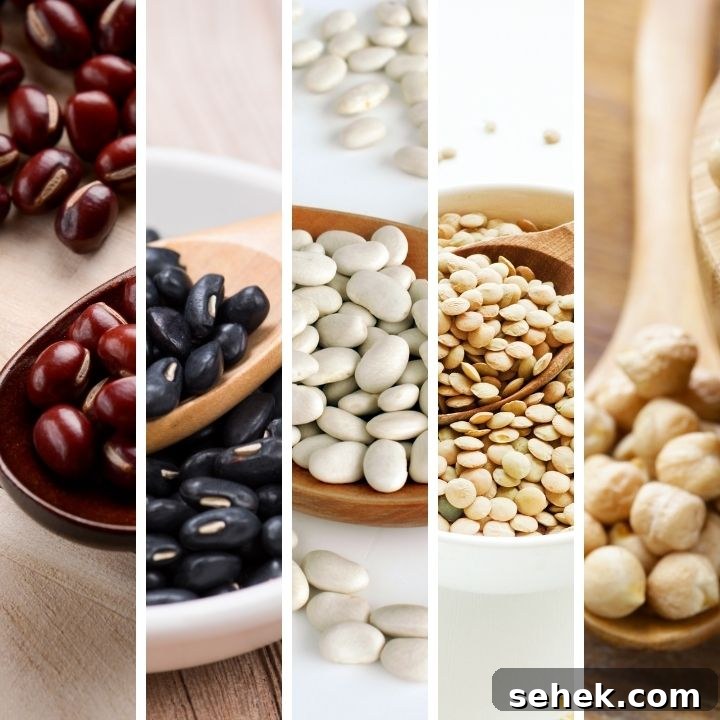
Beans are one of the most underrated ingredients in the kitchen. Affordable, versatile, and nutrient-dense, they fit easily into a wide range of dishes from soups and salads to stews and side dishes. Whether you follow a plant-based diet or simply want to add more fiber and protein to your meals, beans are a smart choice.
Beyond their convenience, beans provide excellent amounts of dietary fiber, B vitamins, minerals, and plant-based protein. These nutrients support digestion, heart health, stable blood sugar, and sustained energy. Because many beans are low in fat and high in fiber and protein, they also help promote satiety, which can assist with weight management. Below is a guide to several of the healthiest and most useful beans, including their flavor profiles and key benefits.
Chickpeas
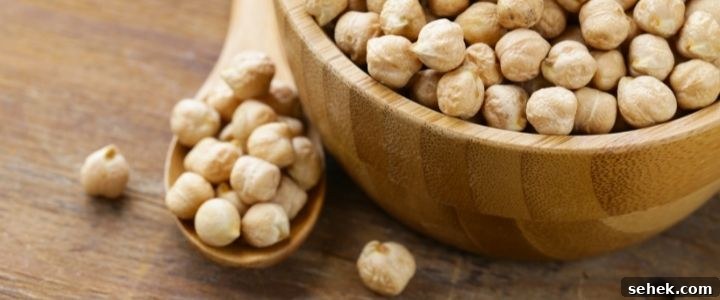
Chickpeas, also known as garbanzo beans, are round and beige with a pleasantly nutty, slightly earthy taste. Their firm texture makes them ideal for mashing into spreads like hummus, forming vegetarian patties, or tossing whole into salads and grain bowls. Roasted chickpeas also make a crunchy, high-protein snack.
Nutritionally, chickpeas are rich in protein, fiber, iron, folate, and several B vitamins. The fiber helps regulate digestion and supports a feeling of fullness after meals, while the protein contributes to muscle and tissue health. Minerals like potassium and magnesium assist with blood pressure regulation and overall cardiovascular well-being. For these reasons, chickpeas are excellent for people aiming to manage weight or improve general nutrition.
Lentils
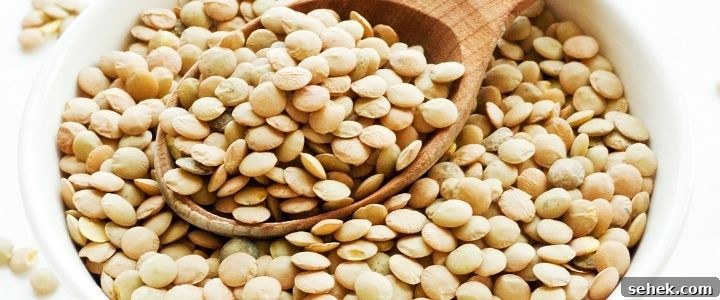
Lentils are a pantry staple that cooks quickly and adapts to many cuisines. They come in several varieties—green, brown, red, yellow, and black—each with its own texture and flavor. Green and brown lentils hold their shape and add a hearty, slightly nutty bite to salads and stews. Red and yellow lentils break down into a creamy, sweet base for dals and purees. Black lentils, sometimes called beluga lentils, have a firm texture and earthy flavor that pairs well with robust dishes.
Lentils are high in fiber, folate, iron, and plant-based protein. Their combination of fiber and resistant starch supports digestive health and helps maintain steady blood sugar levels. The folate makes lentils particularly beneficial during pregnancy, while iron helps combat fatigue. Because they are filling and low in fat, lentils are useful for weight control and can be a nutritious substitute for higher-calorie grains and meats.
White beans
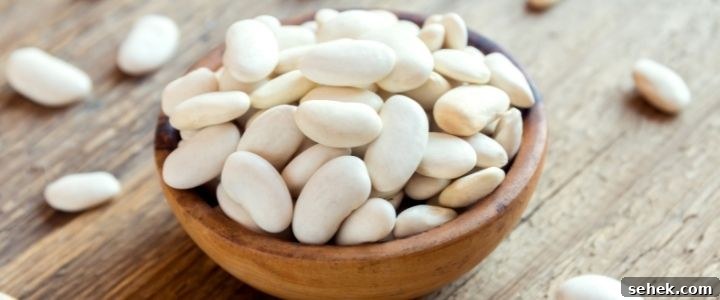
White beans, including cannellini and great northern varieties, are larger and cream-colored with a smooth, creamy texture and a mild, slightly nutty flavor. They blend seamlessly into soups, stews, casseroles, and pasta dishes, and they also make a great addition to salads or pureed spreads.
These beans are a good source of B vitamins, iron, potassium, zinc, and fiber. Their low glycemic index and high fiber content can support blood sugar control, while their nutrient profile contributes to overall health and energy. White beans are especially useful for adding protein and bulk to vegetarian meals without adding a lot of calories.
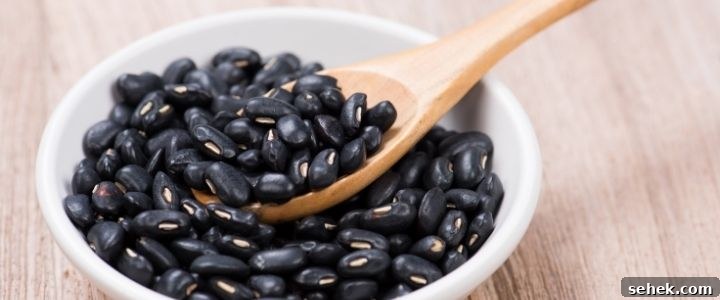
Black beans
Black beans, sometimes called turtle beans, are small, glossy, and dark with a smooth, creamy interior. Their mild flavor makes them excellent at absorbing spices and aromatics, so they pair well with Latin American, Caribbean, and Southwestern dishes such as burritos, rice bowls, soups, and salads.
Black beans offer fiber, protein, iron, magnesium, and other minerals that support bone health and metabolism. Their high fiber content supports heart health, can help lower cholesterol, and assists with blood sugar regulation—making them a smart choice for managing weight and reducing risk factors for chronic disease.
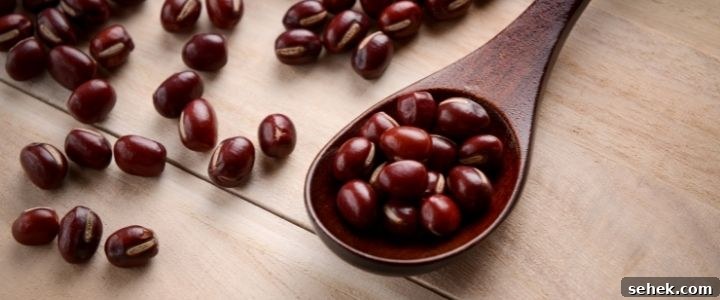
Adzuki beans
Adzuki beans are small, commonly red, and widely used in East Asian cuisine—especially in sweet preparations like red bean paste, mochi fillings, and desserts. There are also white, black, and mottled varieties, but the red adzuki is the most familiar.
These beans are high in fiber, resistant starch, protein, and antioxidants. Their fiber and resistant starch support healthy digestion and steady blood sugar levels, while antioxidants contribute to cellular protection. Adzuki beans are a flavorful, nutritious choice for both sweet and savory dishes and can be included in recipes to boost fiber and protein content.
All of these beans share many overlapping benefits, so your choice can be guided by taste and the cuisine you plan to cook. Including a variety of beans in your diet ensures a broad range of nutrients and textures, and makes it easier to create satisfying, plant-forward meals.
So the next time you open your pantry, reach for a can or bag of beans and experiment—roast, mash, simmer, or toss them into salads to enjoy their flavor and health benefits.