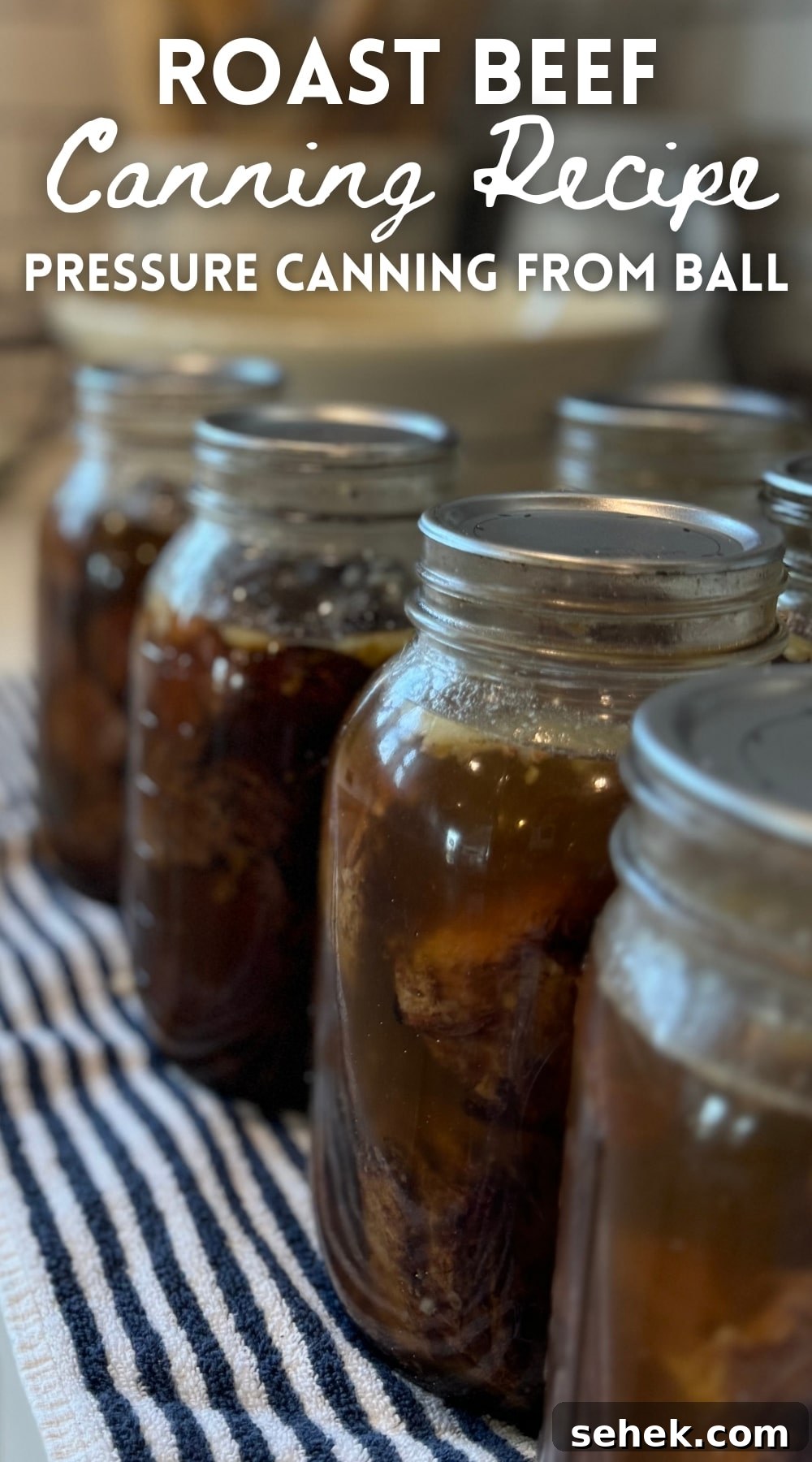
This roast beef canning recipe is adapted from trusted home-preserving methods and is easier than it looks. With just a few ingredients and straightforward steps, you can fill your pantry with tender, flavorful canned roast beef that makes quick dinners simple and satisfying.
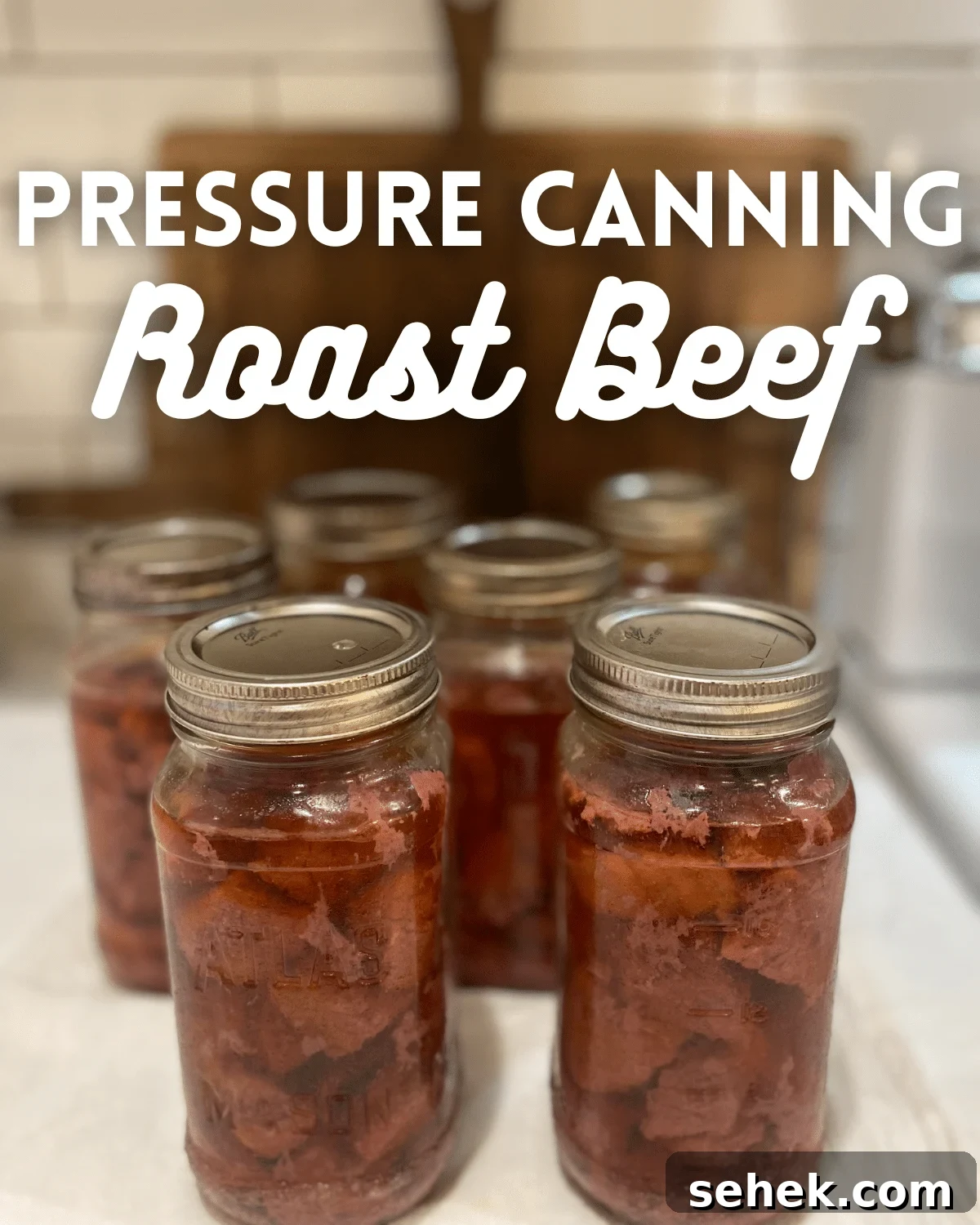
Canned roast beef is a versatile pantry staple. Use it for stews, tacos, sandwiches, stir-fries, or simply warm it and serve with mashed potatoes and gravy made from the liquid in the jar. It’s a practical solution for busy nights and a great way to preserve a full meal at home.
I began canning fruits and small items and eventually moved on to savory preserves like condiments and poultry. Canning whole meals like roast beef takes pantry stocking to the next level—providing convenience and a sense of food security. This recipe is reliable, tested, and designed to be approachable for home canners.
Why You Will Love This
Time Saver: Having jars of ready-to-use beef on the shelf speeds up meal prep and helps on hectic evenings.
Simple & Delicious: The method is straightforward and produces tender, savory beef that tastes fresher than most store-bought alternatives.
Highly Versatile: Use canned roast beef in a wide range of dishes—sandwiches, stews, tacos, or served with mashed potatoes. The jarred juices make an easy gravy or broth base.
Key Ingredients
- Boneless roast beef: Choose lean cuts for better storage and sealing, such as eye of round or rump roast.
- Salt and pepper (or seasonings to taste)
- Beef broth or water for packing
Tips & Tricks
Start with Good Meat: The final quality depends on the roast you choose. Pick a fresh, lean roast for best results.
Sear for Flavor: Browning the meat before packing adds a deeper savory flavor than a raw-pack method. It’s an extra step worth taking.
Trim Fat: Remove visible fat before processing. Fat can go rancid and interfere with sealing over time.
Flexible Liquids: Use beef, chicken, or vegetable broth, or plain water depending on what you have. Keep extra broth on hand for filling jars.
Use a Funnel: A wide-mouth canning funnel makes packing jars cleaner and faster.
Roast Beef Canning Recipe
Roast Beef Canning Recipe
Equipment
- Pressure canner
- Jar lifter
- Debubbling tool
- Seven pint canning jars with new lids and rings
Ingredients
- 7 pounds boneless beef roast (eye of round or other lean cut). The less fat, the longer it stores.
- 7–8 cups beef broth (or chicken/vegetable broth). Have extra on hand.
- 3 teaspoons salt, or to taste.
- 3 teaspoons pepper.
- Your favorite roast beef seasoning (optional).
- 3 quarts water for the pressure canner; follow your canner’s instructions for required water level.
- 2 tbsp vinegar (optional, to add to canner water for cleaner jars).
Instructions
- Prepare the canner and jars: Set up your pressure canner and add the amount of water required by the manufacturer (commonly 2–3 inches). For cleaner jar finishes, add 2 tablespoons of white vinegar to the canner water. Keep seven clean pint jars hot before filling.
- Prep the beef: Trim visible fat and cut the roast into 1-inch chunks or strips, cutting against the grain for the most tender result.
- Brown the meat: In a hot skillet, sear the beef pieces until browned on all sides. Season with salt, pepper, and any spices you like. This hot-pack method enhances flavor.
- Pack the jars: Using a canning funnel, tightly pack the hot, seared meat into hot jars, leaving 1 inch of headspace.
- Fill and seal: Pour hot broth or water over the meat, maintaining 1 inch headspace. Remove air bubbles with a bubble wand, wipe rims clean with a cloth dampened with vinegar, center new lids, and apply bands fingertip-tight.
Process with pressure
- Place the filled jars on the rack inside the canner.
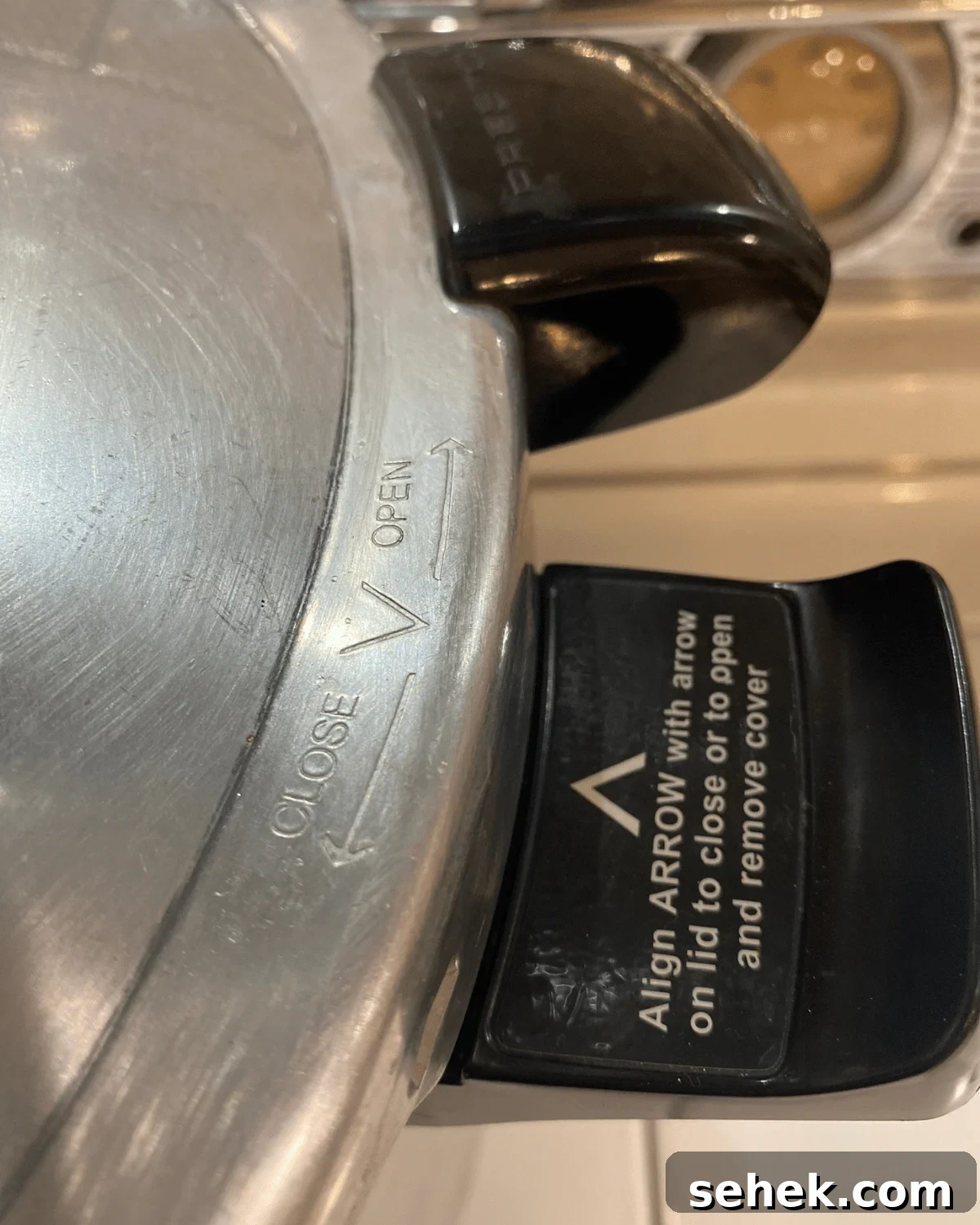
- Secure the lid and heat to medium-high. Allow steam to vent steadily for 10 minutes before placing the pressure regulator on the vent.
- Bring the canner up to the correct pressure for your elevation (for a weighted-gauge canner, 10 lbs for 0–1,000 ft; 15 lbs for higher altitude) and maintain it.
- Process pints for 75 minutes while keeping a steady pressure. Adjust heat as needed to maintain pressure.
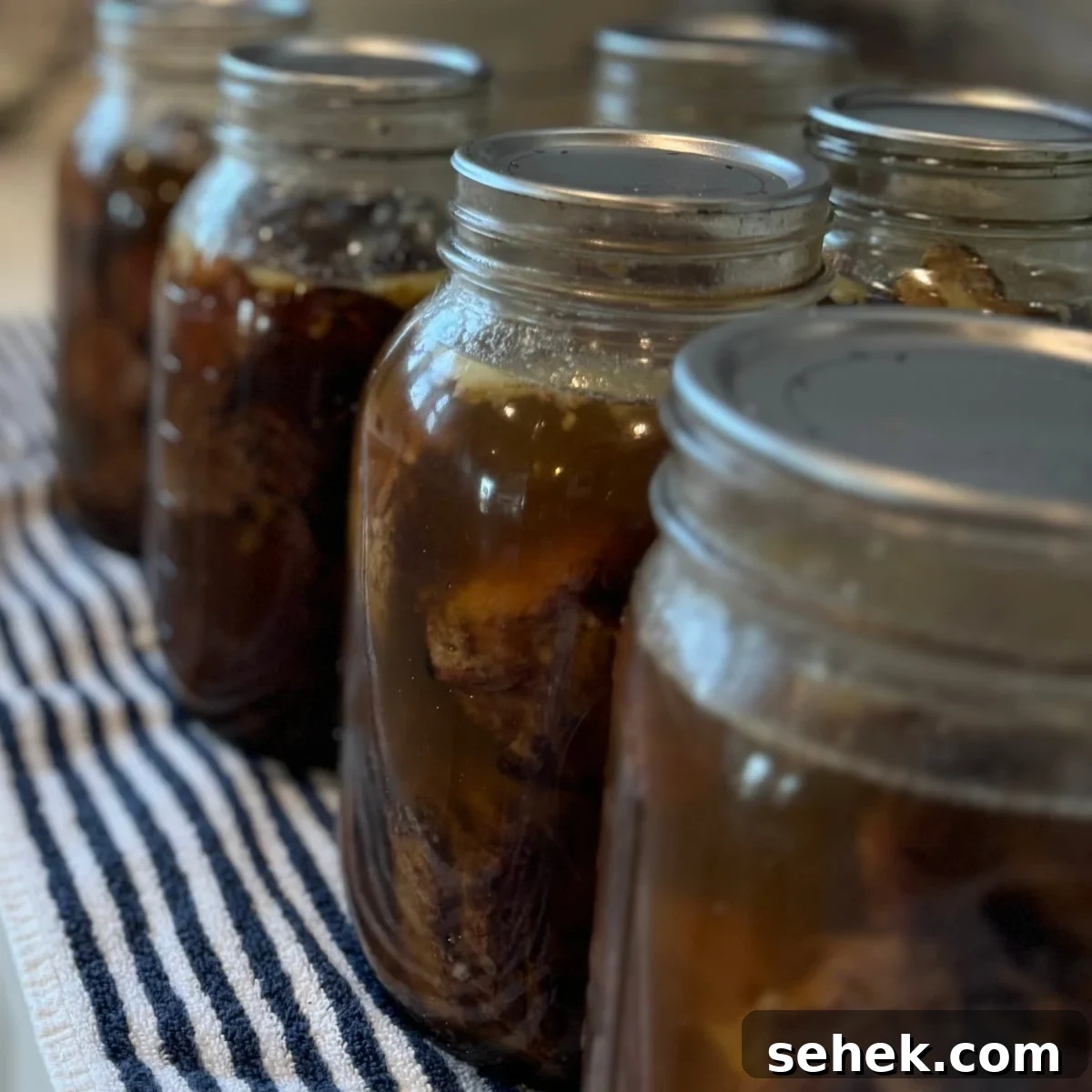
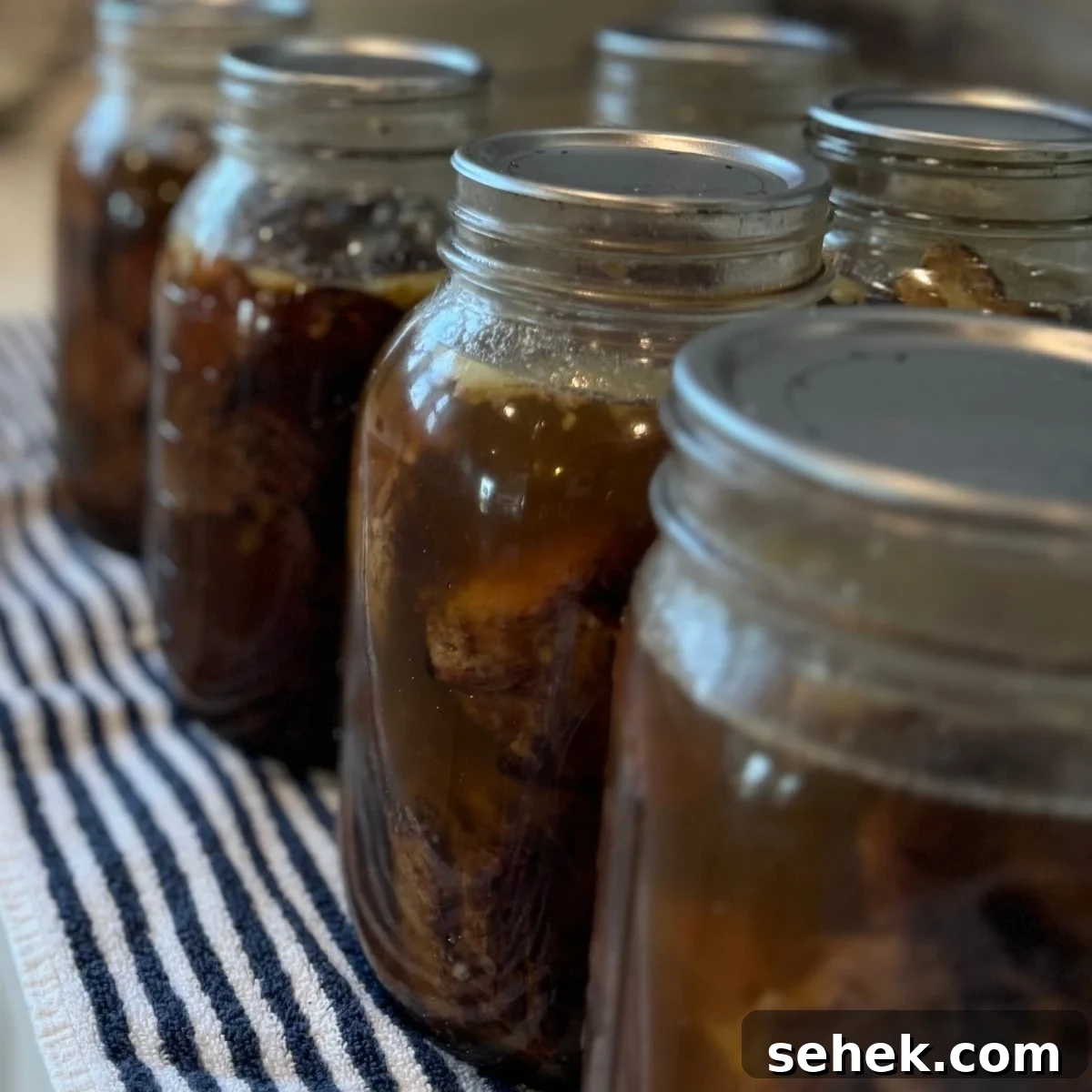
- Cool and store: After processing, turn off the heat and allow the canner to depressurize naturally until the gauge reads zero. Wait another 10 minutes, then remove the lid carefully. Lift jars out and place on a towel-lined counter to cool 12–24 hours. Check seals and remove bands before storing.
Video
Notes
Use a pressure canner: Beef is a low-acid food and must be processed in a pressure canner for safety. Do not use a boiling water bath for meats.
Altitude matters: Increase the pressure according to your elevation. Adjust only the pressure, not the processing time.
Fingertip-tight: Screw bands on until you feel resistance—do not overtighten, as that can prevent proper sealing.
Searing recommendation: Searing is optional but improves flavor considerably compared to a raw-pack approach.
Seal check: After 12–24 hours of cooling, press the center of each lid—if it doesn’t flex, the jar is sealed. Remove bands for long-term storage to prevent false seals.
Serve with mashed potatoes and use the jar liquid to make a simple gravy.
Altitude Adjustments for Pressure Canning
The pressure you use depends on altitude and the type of canner. Processing time does not change with altitude—only the required pressure does. For example, many weighted-gauge canners use 10 lbs at 0–1,000 ft and 15 lbs at higher elevations. Consult your canner’s manual or local extension recommendations for exact settings.
The recommended processing time for pints is 75 minutes (quarts 90 minutes) regardless of altitude. Increase pressure as needed to reach the correct sterilization temperature for safe canning.
Nutrition
| Calories: 163 kcal
| Carbohydrates: 0.02 g
| Protein: 26 g
| Fat: 6 g