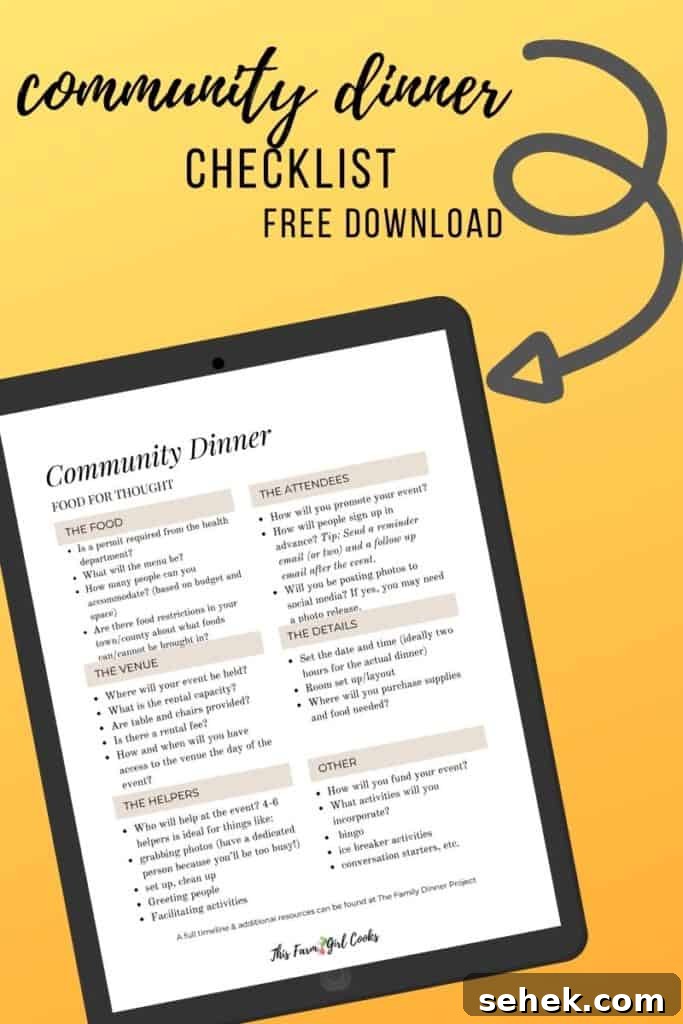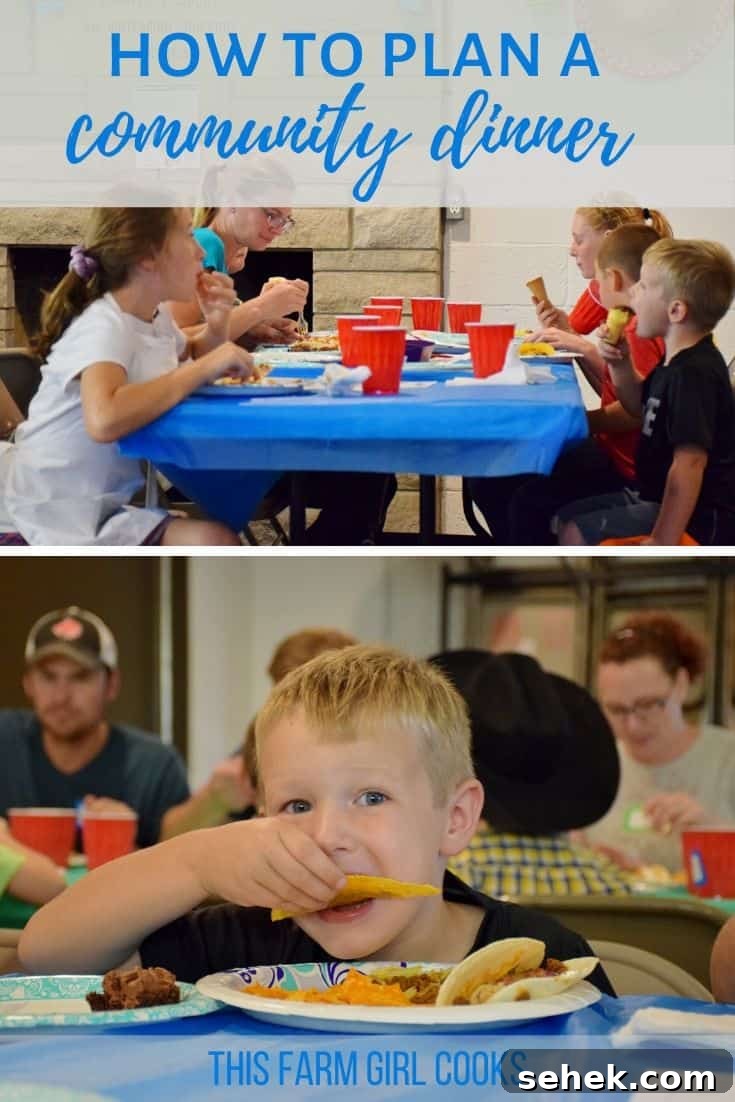
Food brings people together, so I was eager to host a community dinner in our small town. Here’s what I learned about organizing a successful community meal.
Why I Hosted a Community Dinner
I had been thinking about hosting a community dinner for a few years. Some ideas stick with you until you finally act on them. My parents taught me to think big and that most things are possible, so I decided to make it happen.
We live in Waterman, Illinois, a town of roughly 1,400 people. Despite its size, our town has a big heart and many people who volunteer their time and energy to make things work. That grassroots spirit inspired me: wouldn’t it be wonderful for our community to come together for a shared meal?
While my blog connects me with readers nationwide, I wanted to connect locally and highlight why family dinnertime matters. Research and experience show that regular family meals support kids’ self-esteem, reduce risks of depression and substance abuse, and help build resilience.
I reached out to the Family Dinner Project for guidance. They shared timelines, tips, and resources that helped shape the event. With a basic plan in place, I realized I needed a partner—I couldn’t do this alone.
I messaged a neighbor, Katie, someone I hadn’t worked with before but liked. I asked if she wanted to help and she immediately said yes. With her on board, planning moved forward quickly.
Community Dinner Menu
I love tacos—seriously, they’re my go-to. Given that, the menu decision was easy: tacos. Choosing a familiar, crowd-pleasing menu simplified planning and made the event approachable for many families.
Planning a Community Dinner
Much of the guidance from the Family Dinner Project is geared toward non-profits, but Katie and I are just two neighbors with a shared vision. We adapted recommendations to fit our situation. Here are the practical steps we followed that worked well for our dinner.
1. Sponsors
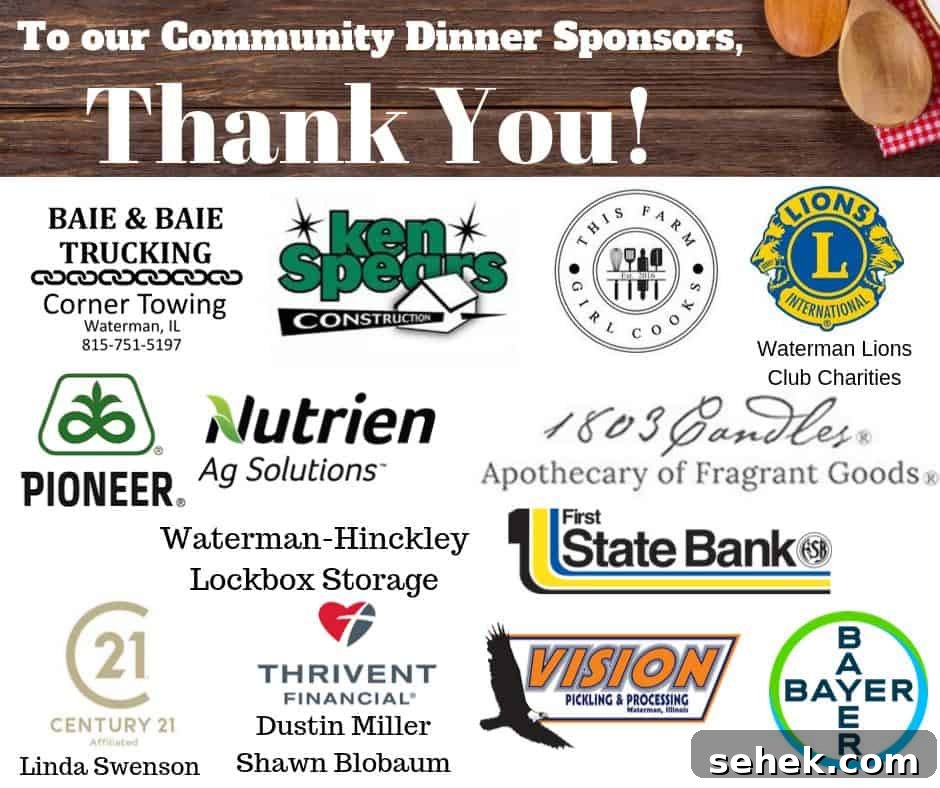
We wanted the event to be free for attendees, so we needed funding. Katie approached local businesses and secured generous donations. Local sponsors made it possible to feed people at no cost and reinforced the community spirit.
2. Location
We rented the shelter at Lion’s Park. The building provided electricity, tables and chairs, a stove, refrigeration, and sinks—everything we needed for a smooth event without a big venue fee.
3. Food
Initially I planned to prepare food from scratch, but our county health department clarified rules around food prepared in non-commercial kitchens. With six kids between us and limited prep time, Katie and I opted for a practical Plan B: we purchased ready-to-heat items from a vendor (GFS) and allowed attendees to bring baked goods for dessert.
We also obtained a one-day food permit, and a county inspector visited on the day of the event to ensure food safety.
4. Supplies
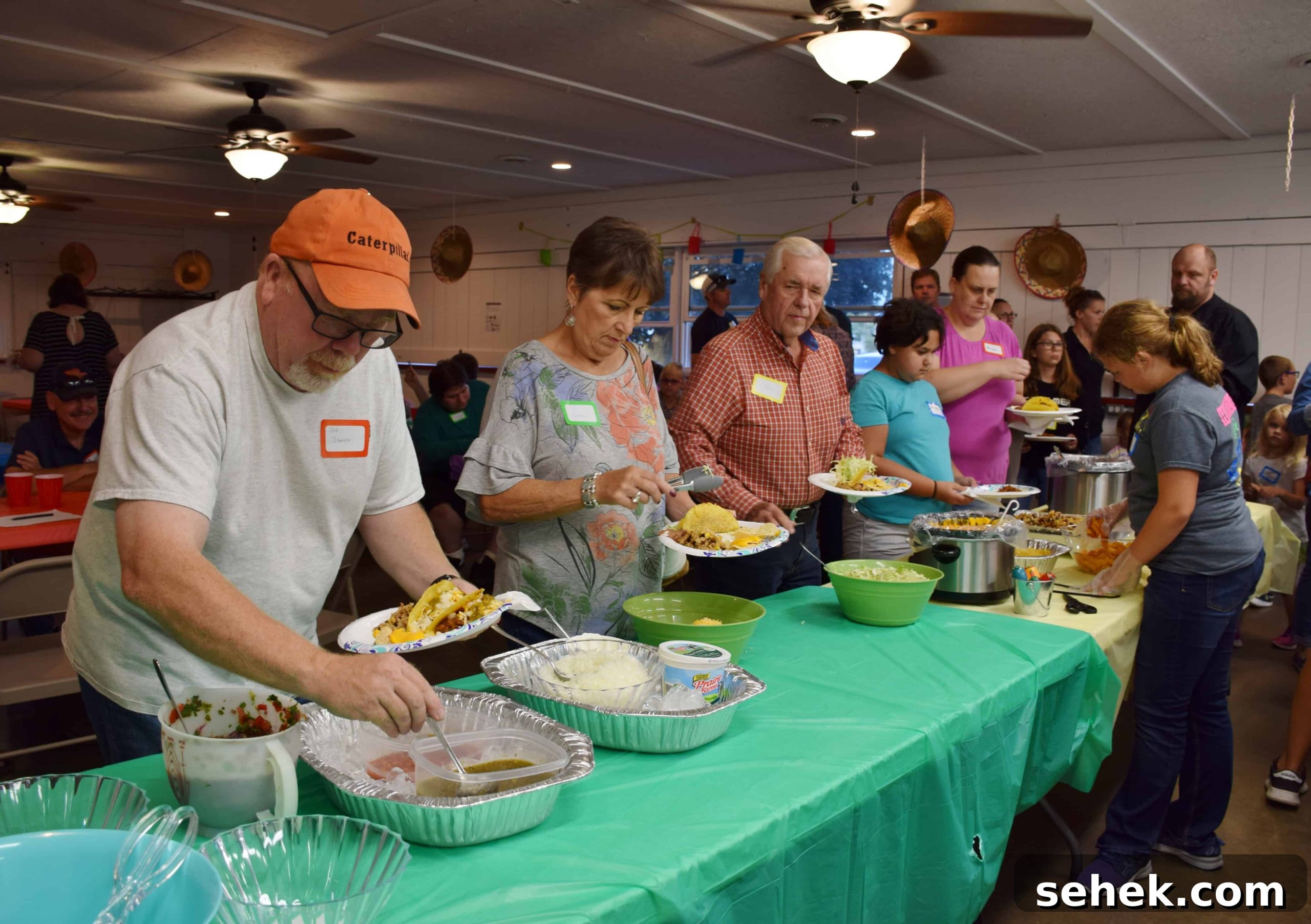
We purchased disposable plates, napkins, table coverings, food gloves, and other essentials. To involve the community, we asked for voluntary contributions of sealed items like shredded cheese, sour cream, and salsa. That small gesture encouraged participation and added to the sense of shared ownership.
5. Information
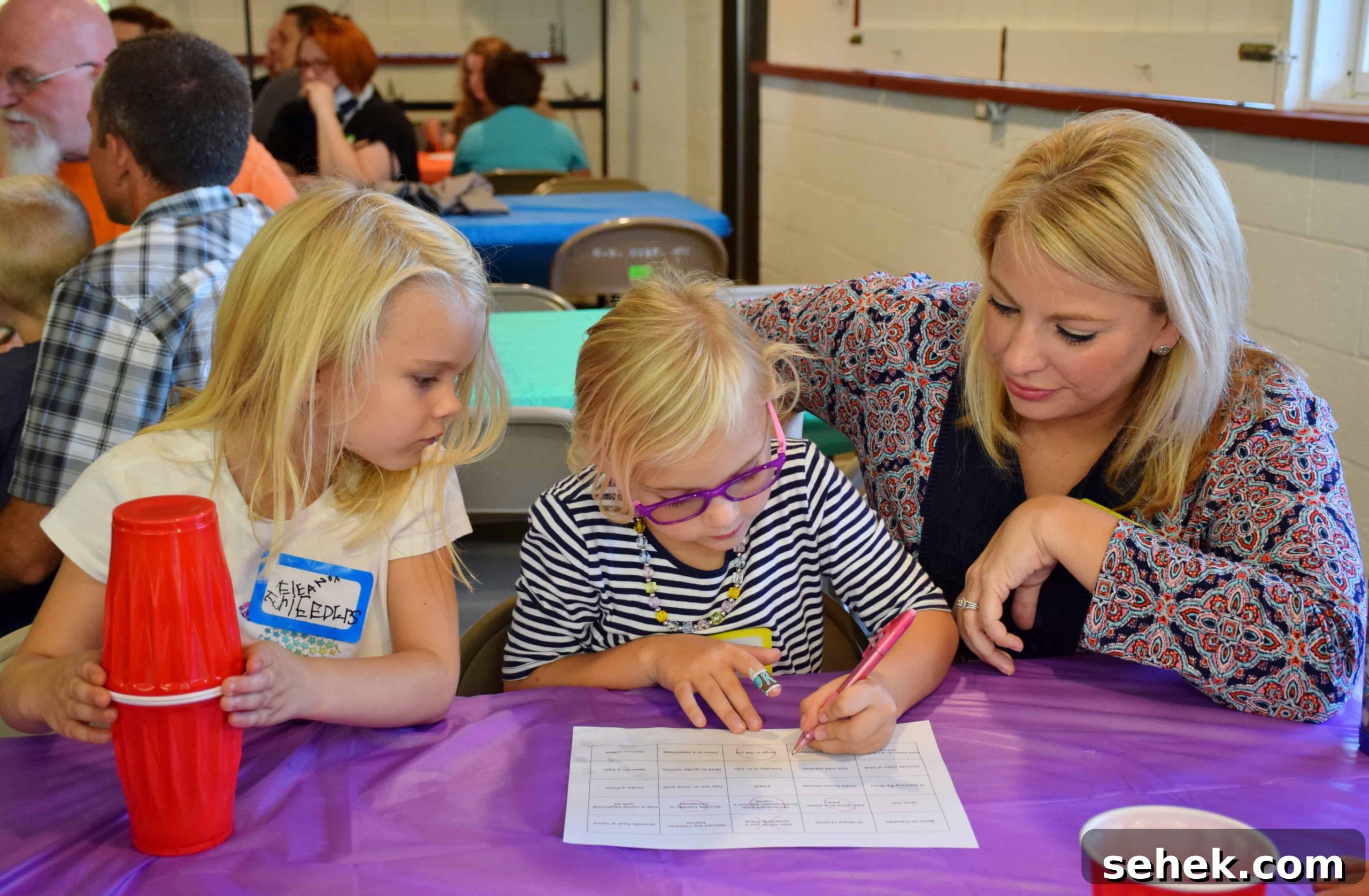
We prepared handouts about the benefits of gathering around the table and placed conversation starters at each table to spark meaningful discussions. We also organized a simple bingo icebreaker so attendees could meet one another comfortably.
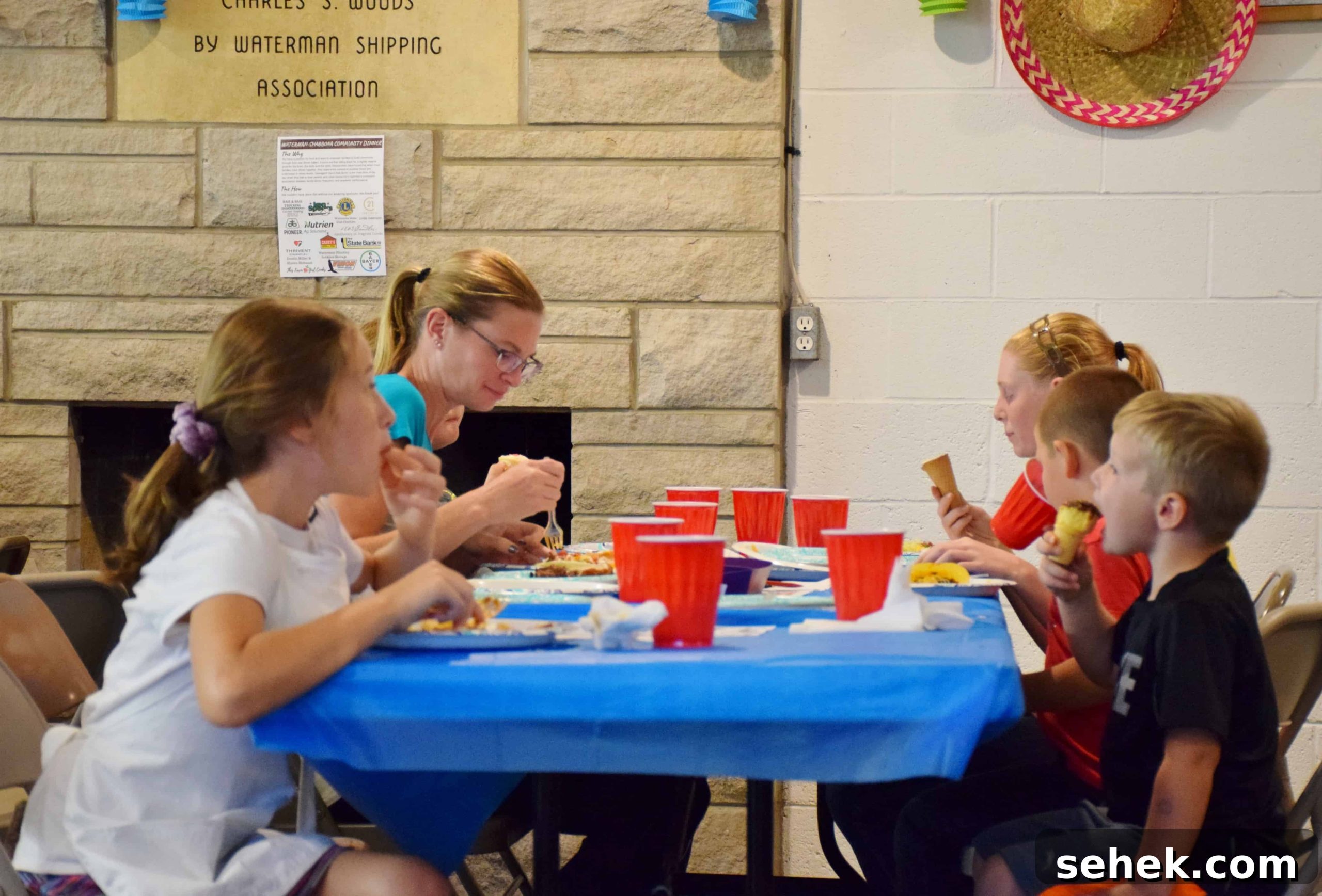
I spoke briefly about the importance of family dinnertime, and then we served tacos. The relaxed structure—information, conversation prompts, and easy food—helped people connect naturally.
What I Learned from the Community Dinner
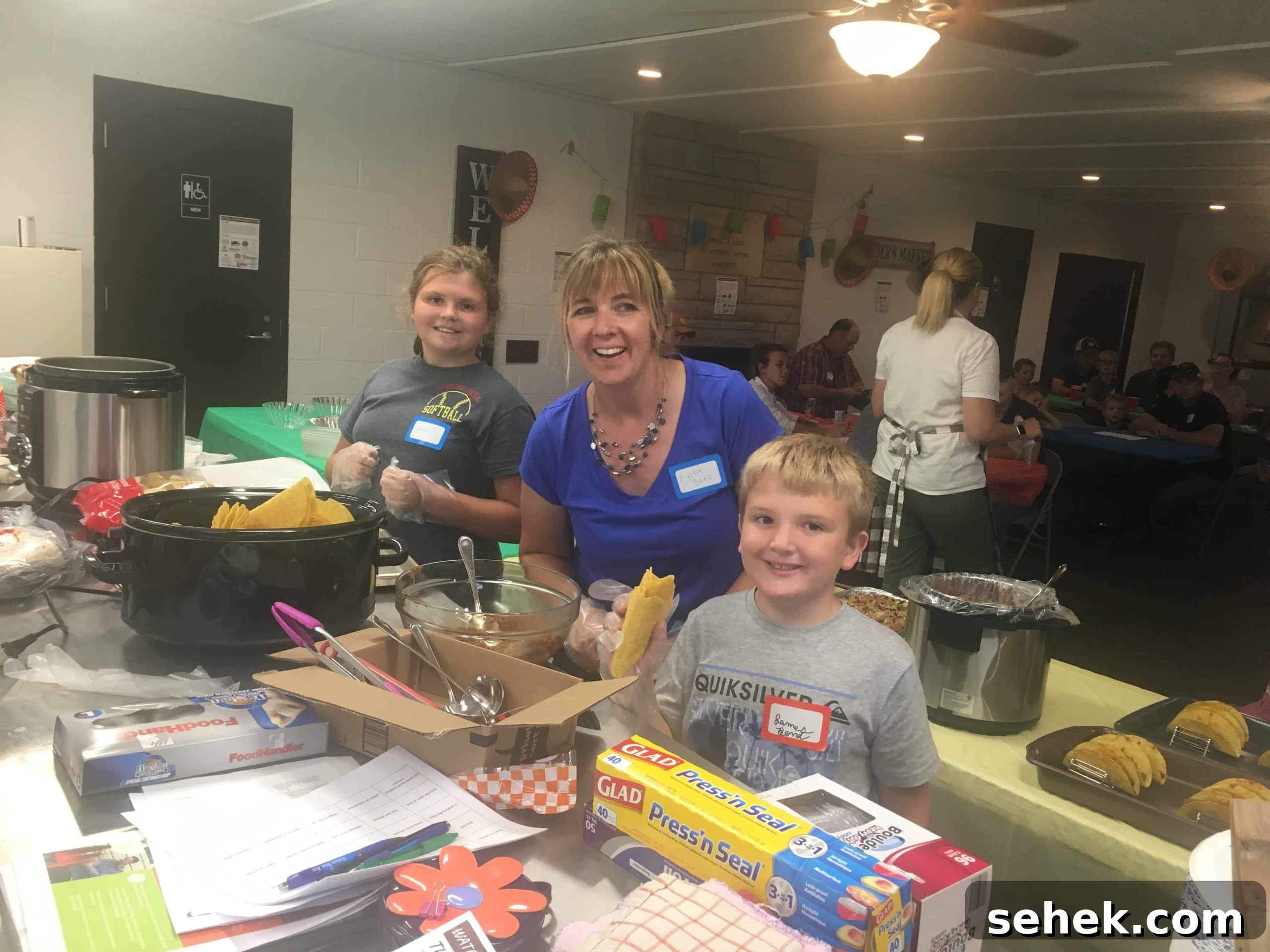
By the end of the night, Katie and I were exhausted from setup, service, cleanup, and closing up the building. I share that not to discourage you, but because it shows how much we cared about making the event welcoming and enjoyable for everyone.
I wanted the food to be good, the conversations to flow, and for neighbors to mingle comfortably. I put pressure on myself to deliver a great experience, but the outcome proved worth the effort. The event was a success in every meaningful way.
I could not have done it without Katie. Her energy, resourcefulness, and shared vision were essential. Beyond making the dinner possible, planning together helped us build a friendship—proving that collaboration and community-minded intentions produce wonderful results.
Future Plans and Resources
We secured enough funding to host another community dinner this winter, and we plan to serve a variety of soups next time. I’m excited to meet more neighbors and continue building connections.
If you’re considering organizing a community meal, I encourage you to try it. Sharing food benefits both individuals and the town as a whole. If you have questions, I’m happy to help—and resources like the Family Dinner Project offer helpful ideas, recipes, and guidance.