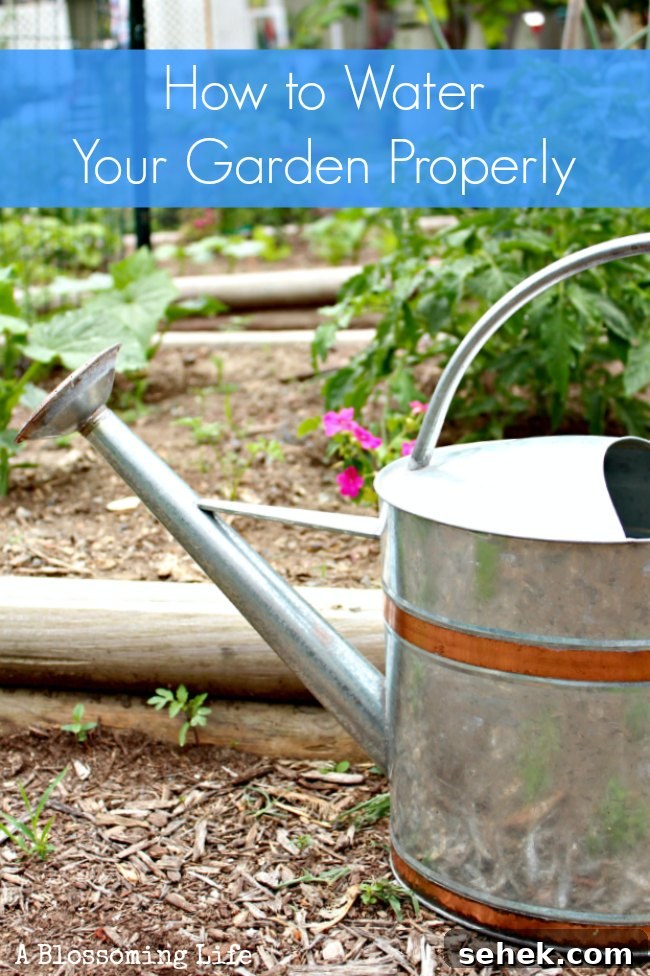
The garden is thriving — we’re harvesting plenty of strawberries and lettuce, and all the plants we put in the ground are doing well. This is my first full season with a real garden, and I’ve picked up several important lessons. One of the most crucial is how to water correctly. It sounds simple, but proper watering can be surprisingly tricky.
Talking with experienced gardeners has been invaluable. Neighbors, the previous homeowner, and online research helped me understand why my container garden struggled two years ago — I had serious watering problems. Overwatering and underwatering can sometimes produce similar symptoms, so learning to recognize the differences is important.
Signs of overwatering:
- Yellowing leaves
- Browning at the tips
- Wilting or limp foliage
- Blistered leaves
- Stunted growth
- Root rot or root death
Signs of underwatering:
- Browning, wilting, and drying of leaves, often starting at the bottom
- Leaves feel dry and crispy to the touch
- Little or no new growth
- Plant death in severe cases
Learning When to Water and How Much!
Start by observing plant symptoms, then check the soil to assess the real situation. Dig down and feel the soil rather than relying on surface appearance alone.
Wrong approach: I used to water a little every day. That method is unreliable — it can leave roots too dry below the surface while making the topsoil appear moist, or cause unnecessary watering when plants don’t need it.
Better approach: Water less often but more deeply. Once plants are established they generally need fewer waterings, except during extreme heat or drought. Dig down 4–6 inches to check soil moisture — if it’s dry at that depth, water; if it’s still moist, wait and check again later. When you water, do it slowly and thoroughly so water reaches the roots.
You can see my beans have been eaten by some bugs! No worries, I made some homemade bug spray to keep them away!
Water in the morning when possible. Afternoon watering leads to greater evaporation, and watering at night can encourage fungal growth and rot. Don’t rely on surface cracking as the only sign of dryness — raised beds can look cracked on the surface even when deeper soil remains moist. Always dig down to check before deciding to water.
Focus the water on the root zone rather than wetting the leaves; wet foliage increases the risk of disease. Hand-watering is often better than using a sprinkler for routine care because it lets you control the amount of water each plant receives and target only the areas that need it. Different plants and different spots in the garden will have varying water needs and drainage.
Other helpful tools and tips
- Use a soil moisture meter to accurately determine when to water and avoid guesswork.
- Apply a generous layer of mulch to conserve moisture and reduce the frequency of watering.
- Keep beds well-weeded — weeds compete for water and nutrients. Regular weeding is an easy way to make your watering more effective.
With these practices you can avoid common watering mistakes and keep plants healthier. I hope these tips help with any watering challenges you have. Do you have favorite watering techniques or other gardening tips? I’d love to hear them!