If the mess behind your oven door makes you cringe every time you open it, but the self-clean cycle makes you feel worse, you’re not alone. My older oven had a self-clean setting I used once — it worked, but the extreme heat, lingering smell, and all-day commitment put me off. I wanted a gentler solution.
This guide shows how to steam clean an oven using simple items you probably already have at home. No harsh chemical cleaners, no extreme temperatures, and no special built-in steam cycle required — just water, time, and a little elbow grease.
Why Steam Clean Beats the Self-Cleaning Cycle
My double oven is original to the house and the top oven had collected years of splatters, spills, and baked-on messes. I tried the self-clean cycle once: it did remove grime, but the process left the kitchen unbearably hot for hours and made me uneasy about stress on the appliance. Appliance experts have explained why self-clean cycles can be hard on ovens, which confirmed my instincts and pushed me toward a gentler option.
Steam cleaning offers a middle ground. It softens burnt-on food using normal baking temperatures and plain distilled water, so grime wipes away with much less scrubbing. It’s safe to repeat as often as needed and won’t expose the oven’s electronics to extreme temperatures.
This steam-clean method is ideal if:
- Your oven does not have a built-in steam cycle
- You prefer not to run the self-clean option
- You want a gentler, repeatable cleaning method
If your oven is newer and includes a manufacturer steam-clean setting, check the manual first — the built-in program may have different instructions. For most older or standard ovens, steam cleaning works well because:
- It requires less hands-on time than scrubbing a dry, crusty oven.
- It uses regular high-heat baking temperatures (450°F), not the extreme heat of self-clean cycles.
- You can repeat the steam step without risking damage.
- It avoids expensive or harsh chemical oven cleaners — just distilled water and baking soda.
Think of it as giving your oven a long, steamy soak before you scrub.
Let’s Get Started! Here’s What You’ll Need:
The method doesn’t require special tools. The one important item to buy is distilled water.
Distilled water matters because it lacks minerals like calcium and magnesium found in tap water. Those minerals can leave white, chalky streaks (scale) when boiled and dried. Distilled water prevents those deposits, so the oven dries clean. You can usually find it in gallon jugs at grocery stores, pharmacies, or big-box stores.
Must-Have Basics
Gather these items before you start:
- Distilled water
About 2 cups per steam cycle to avoid mineral spots. - Container
An oven-safe dish large enough to hold the water well below halfway, so it won’t boil over. - Baking soda
Mix with a little water to form a thick paste for stubborn spots, especially the glass window. - Sponge and microfiber cloths
Old cotton rags work for bulk wipe-downs; a non-scratch sponge helps scrub gently. - Vinegar
Used at the end to remove leftover paste and any minor mineral traces from rinsing; don’t mix it with baking soda at the same time.
Step-by-Step: Prep Your Dirty Oven
Before steaming, do a quick tidy so the heat and steam can focus on stuck-on food instead of loose crumbs. The prep only takes a few minutes and makes the steam step much more effective.
Remove Racks and Wipe Loose Grime
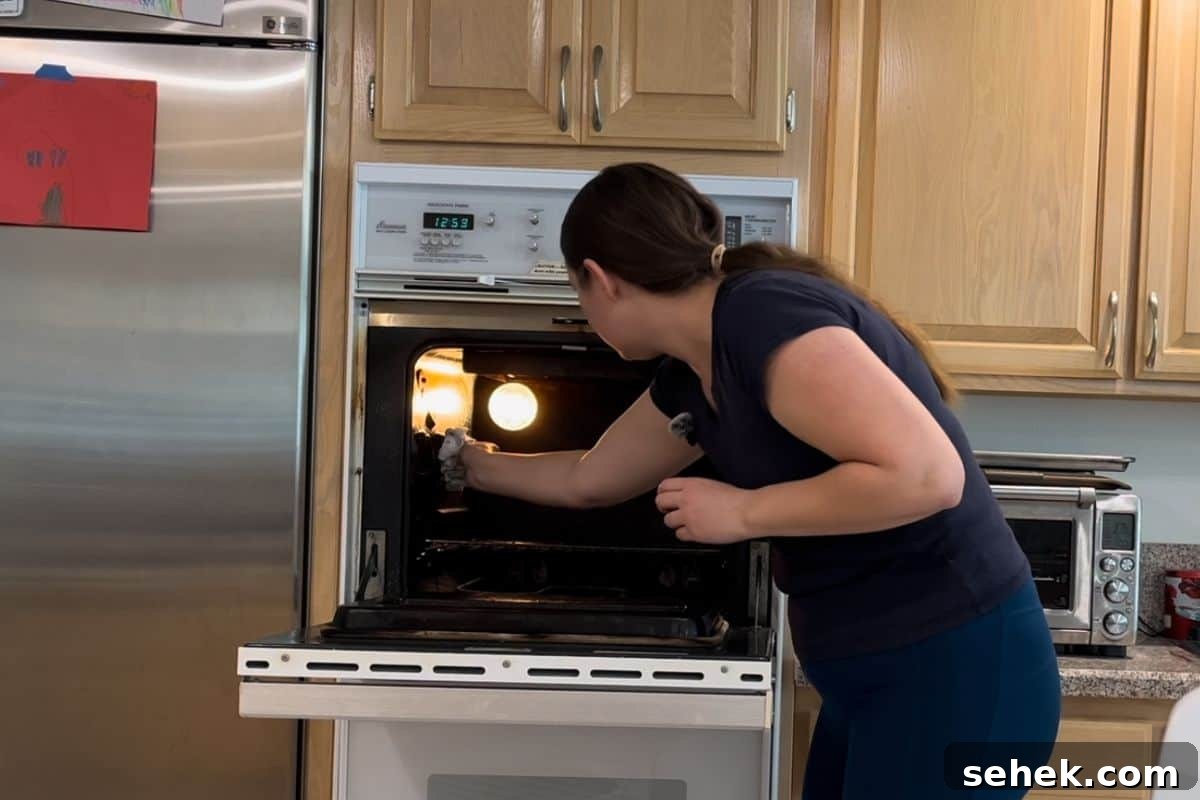
Take out all oven racks and set them aside. Wipe out big chunks of food, flakes, and loose debris with a damp rag or sponge. If your oven has a removable bottom panel, lift it gently only if it moves easily; don’t force anything.
Set Up for Steaming
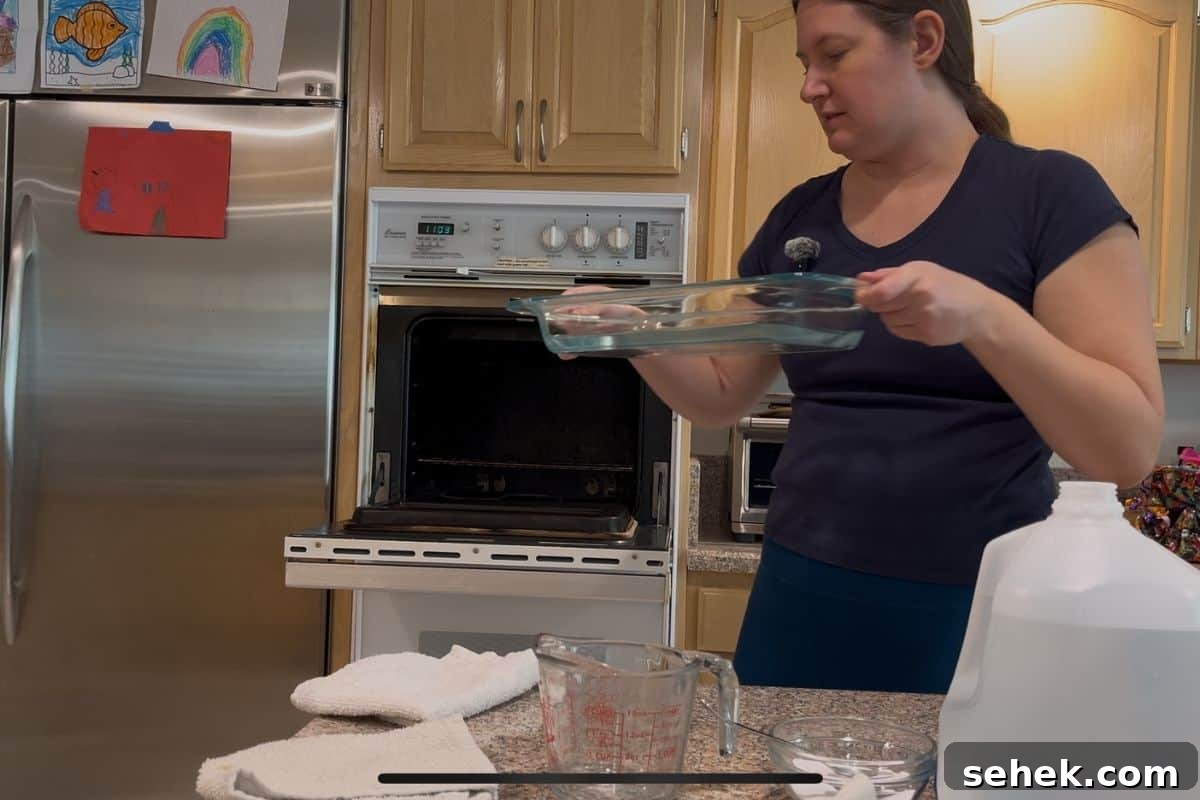
Place one rack back in the lowest position. Pour about 2 cups of distilled water into an oven-safe baking dish, keeping the level well below halfway so it won’t boil over. Set the dish on the bottom rack, close the door, and you’re ready to steam.
Run the Steam Cycle Like a Pro
Steam cleaning is simple: heat the oven so the water steams and softens stuck-on residue, then let it work before you scrub.
Heat It Up
Preheat the oven to 450°F. When it reaches temperature, let it run for another 15 to 20 minutes. The hot water will produce steam to loosen grime on the walls, floor, and door. Keep the door closed during this time.
Cool Down Safely
After steaming, turn the oven off but keep the door closed for about 1 hour. This lets the residual heat and moisture continue softening residue while the oven cools to a safe handling temperature. Expect roughly 1.5 hours from start to when you can begin scrubbing, depending on preheat time.
When you open the oven, it should feel warm but not scalding. Carefully remove the pan and avoid spilling any remaining liquid. If the oven was very dirty, you can repeat the steam cycle before scrubbing for easier cleanup.
Scrub with Elbow Grease (It Is Easier After Steam)
Steam softens the grime, but you’ll still need to scrub, especially for longstanding buildup. After steaming, the baked-on food is much easier to remove.
Make and Apply Baking Soda Paste
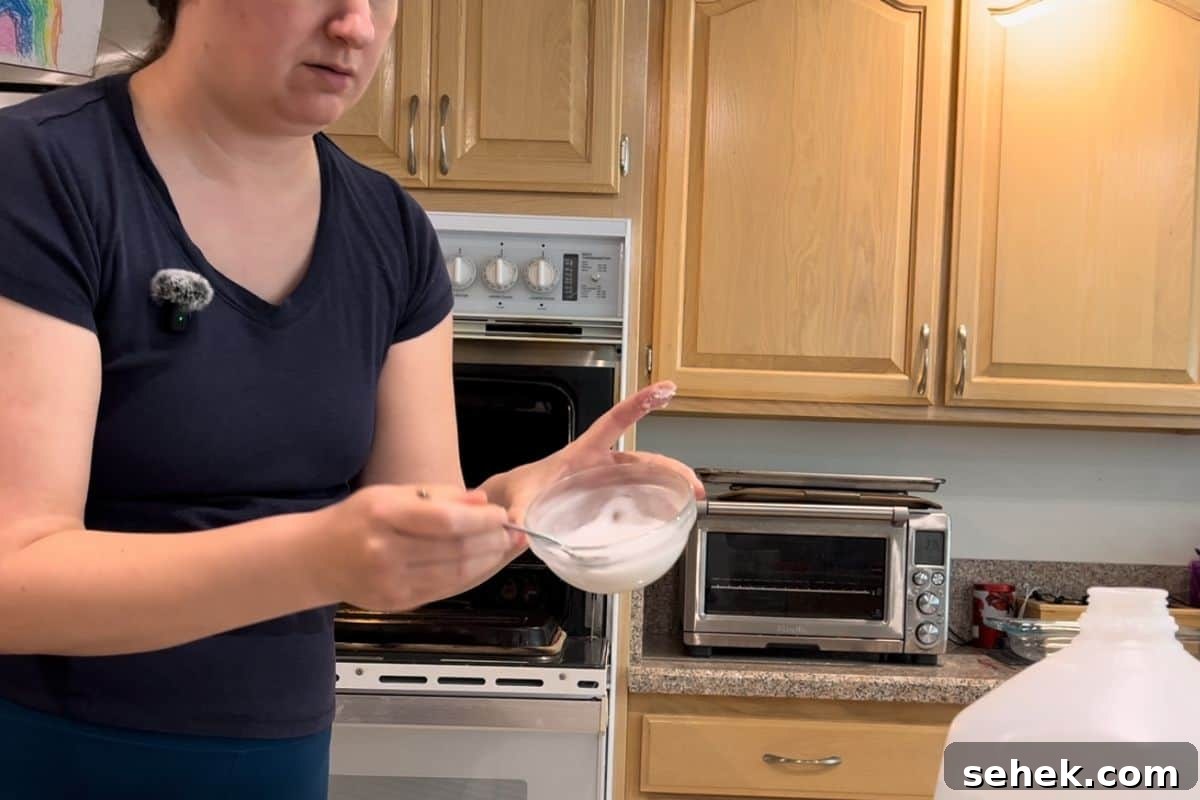
Mix baking soda with a small amount of water until it forms a thick, spreadable paste — the consistency of school glue with some lumps. If it’s too runny, add more baking soda. Spread the paste on stubborn spots: the window, floor, and greasy areas. Rub lightly with a sponge or rag and let the paste sit for a few minutes if needed, then scrub again.
- Mix the paste until it holds its shape.
- Apply to the worst spots.
- Rub gently so the baking soda’s mild abrasiveness helps lift residue.
Key Scrubbing Spots and Cautions
Focus on the window, the bottom surface where spills burn, and side walls with splatters. A few cautions:
- Be gentle with the door gasket to avoid tearing it.
- Avoid getting gritty paste into hinges or sensors.
- Do not lean your body weight on the open door.
- Wipe around exposed probes or temperature sensors rather than over them.
- Avoid staring directly at the interior light while working around it.
Specks trapped between door glass panes are usually sealed and can’t be cleaned from the inside. If sides or ceiling still look dirty after one round, run another steam cycle and target remaining spots with more paste.
Finish with a Vinegar Wipe Down
After scrubbing, wipe out as much baking soda paste as possible with a damp rag, rinsing and wringing often. If you see white residue or streaks, lightly dampen a microfiber cloth with vinegar and wipe the interior. Vinegar helps remove leftover baking soda and any minor hard-water spots from rinsing. A small amount of vinegar residue is harmless and will evaporate as the oven dries. Sweep or vacuum any debris dropped on the floor afterward.
Before and After Results and Real Talk
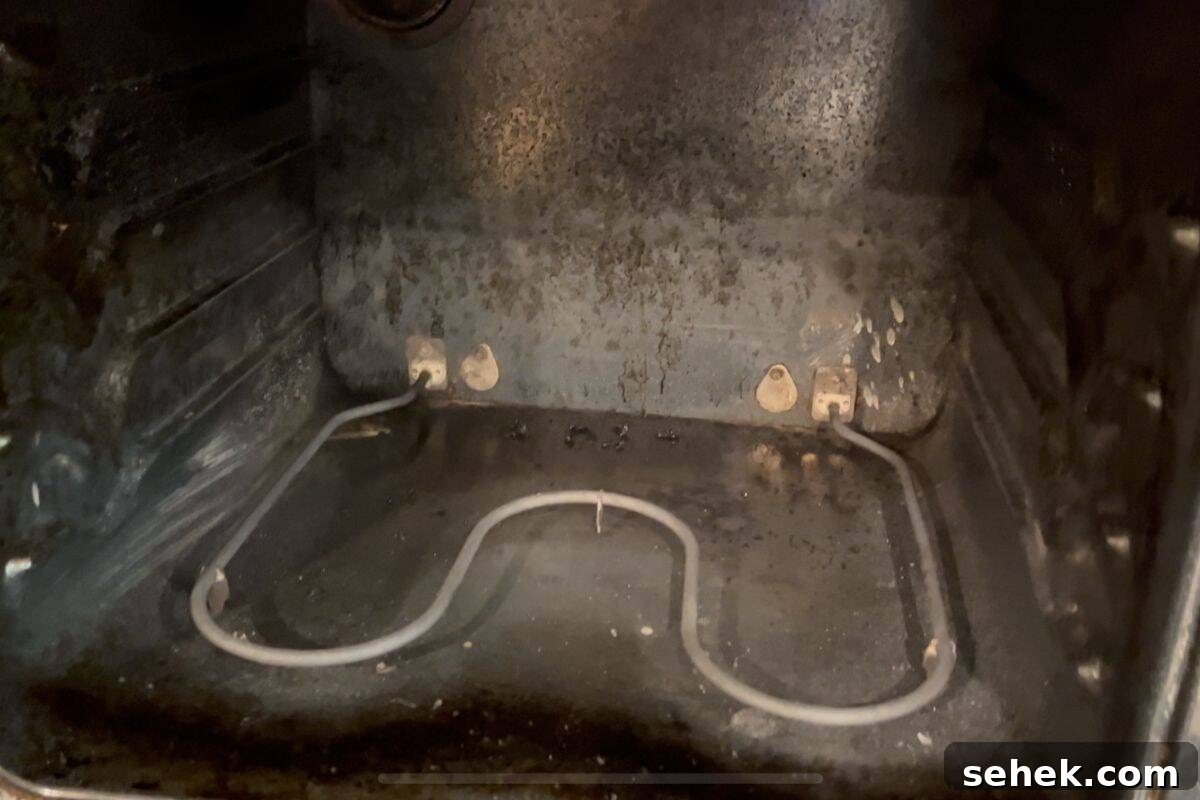
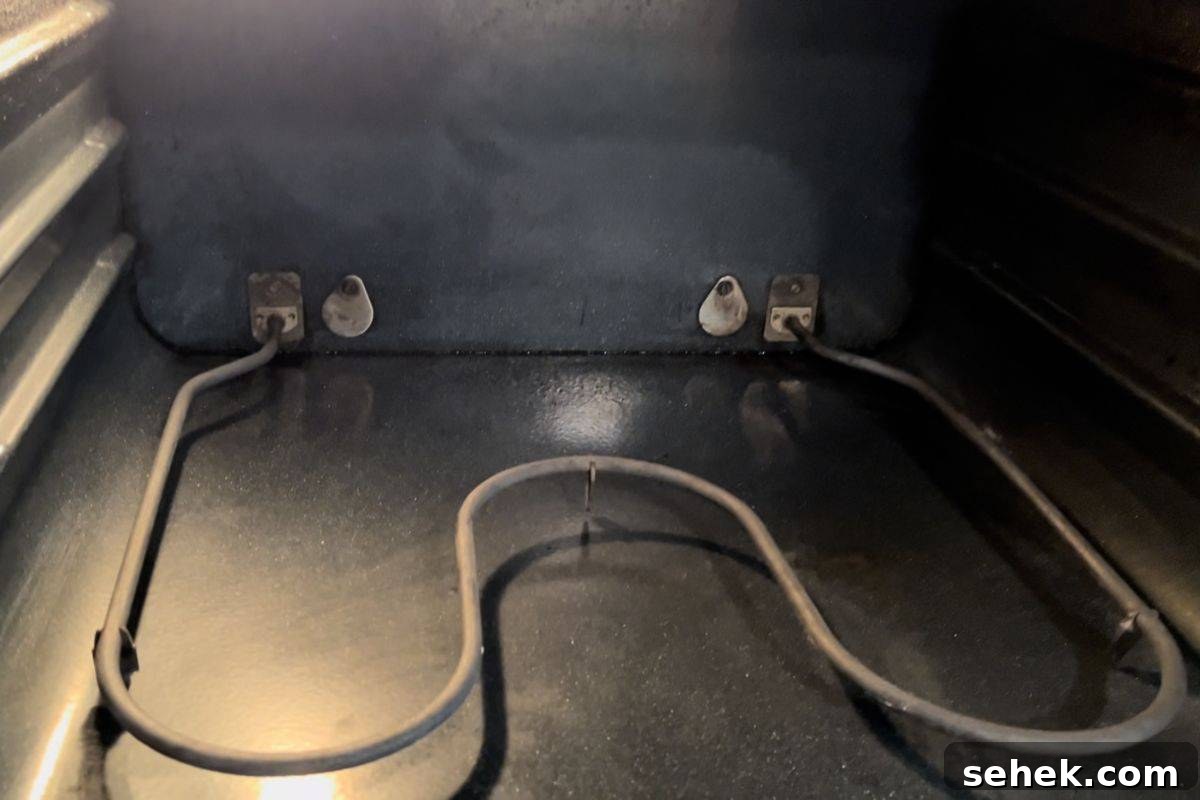
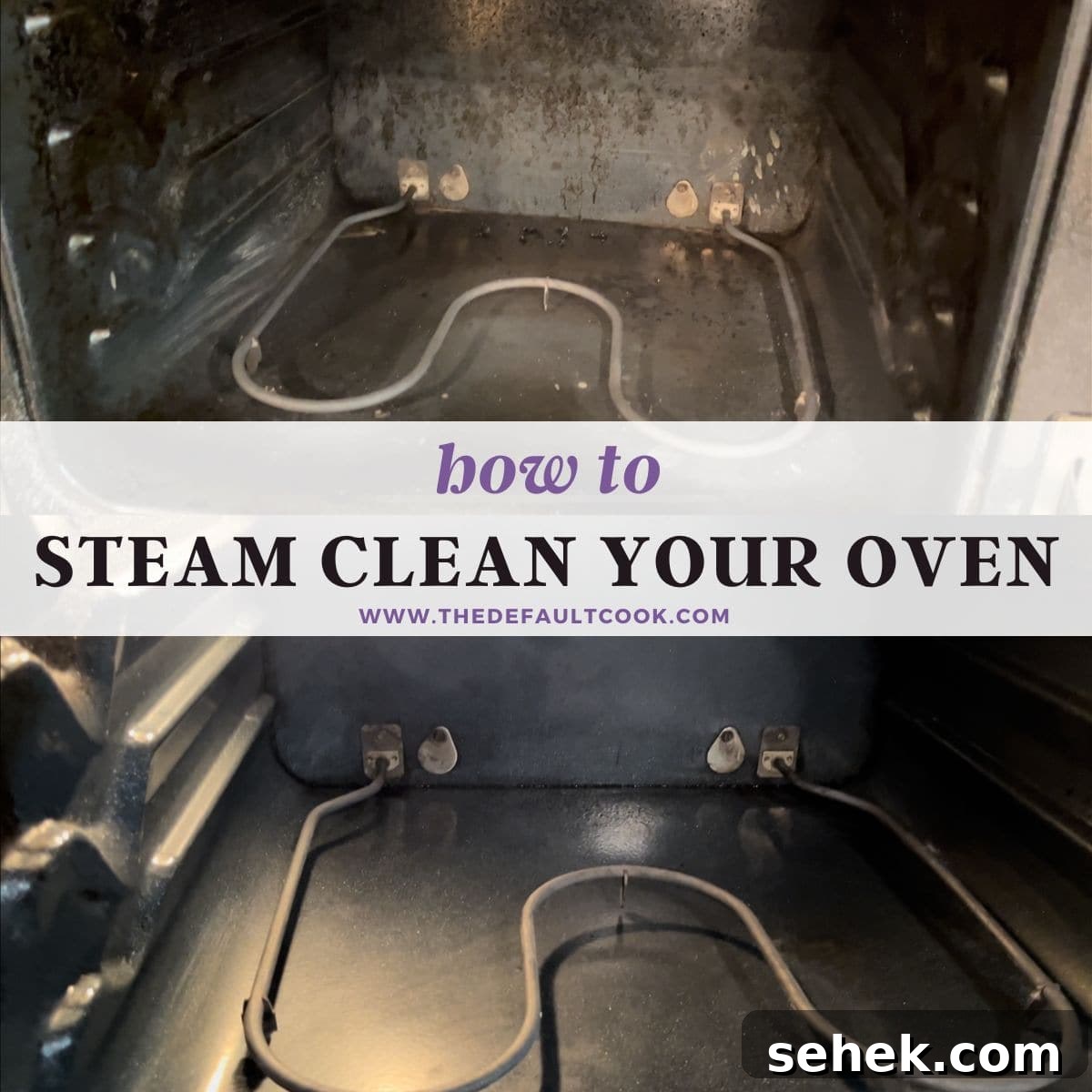
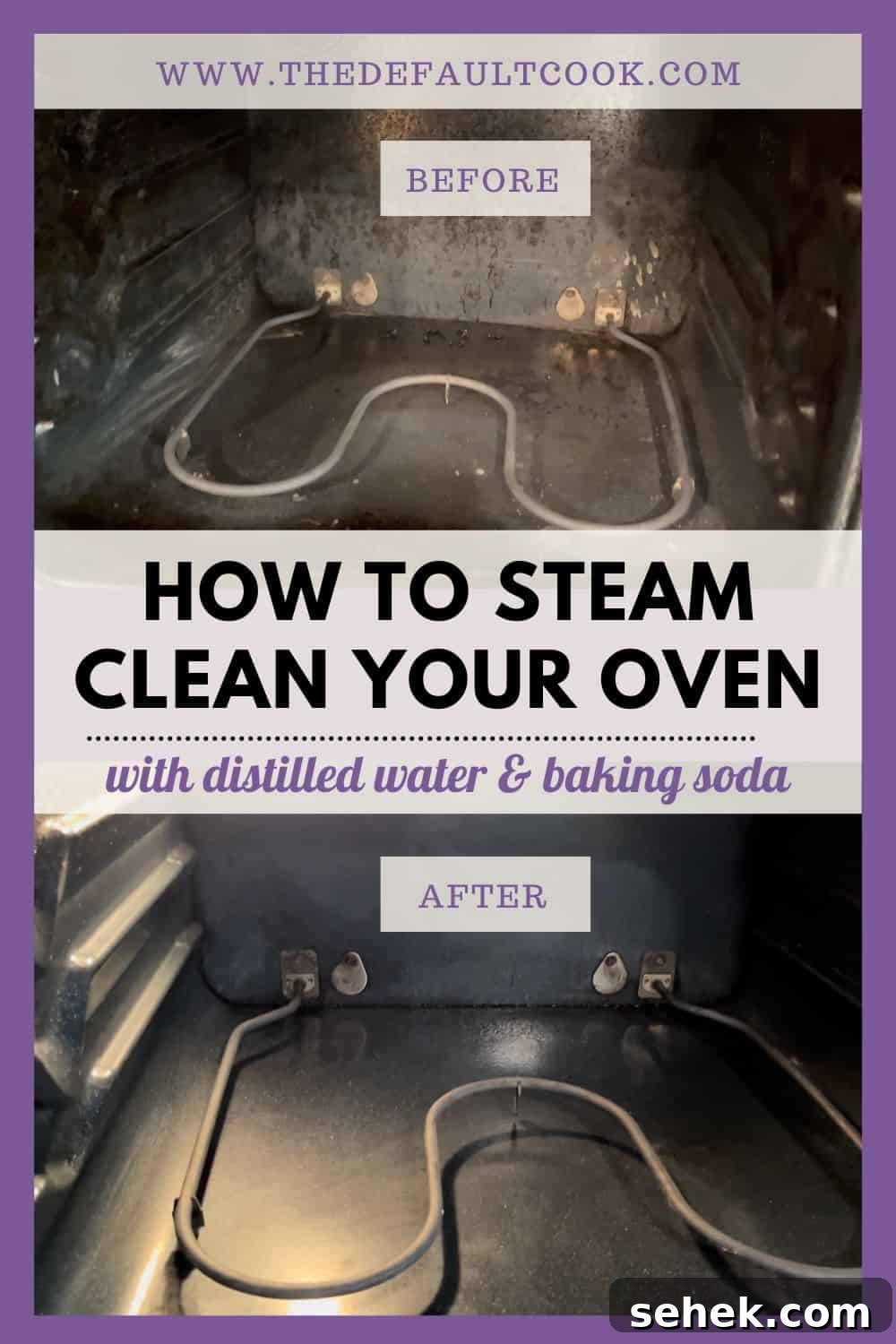
After one steam cycle and a solid round of scrubbing, my oven looked much better — not perfect, but genuinely pleasant to use again. Some burnt spots remained in high corners and between panes of glass, but the main cooking area and the window were dramatically cleaner. The whole process didn’t heat the house like a self-clean cycle, and it didn’t take all day.
See the Transformation
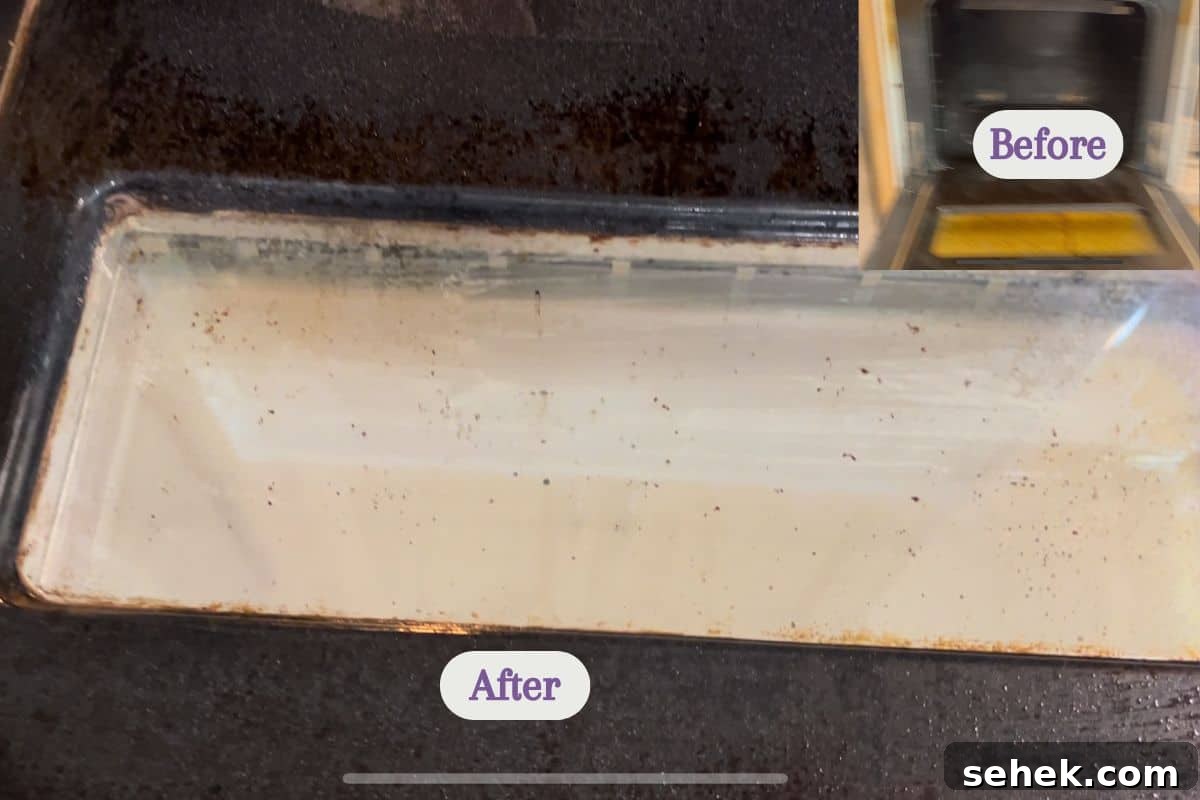
The window improvement was the most satisfying — I could actually see through the glass again. The bottom and walls felt smoother and much cleaner. If you want deeper results, run another steam cycle and target the remaining spots with more baking soda paste; each repetition improves the outcome without the risk of a self-clean cycle.
Maintenance Made Simple
Treat steam cleaning as routine maintenance, not a once-in-a-decade emergency. Set calendar reminders based on use: once a year for light use, twice a year for frequent cooking, and an extra session before big holidays. The more often you do it, the less elbow grease you’ll need each time.
A single steam cycle, a quick baking soda touch-up on small spills, and a wipe-down is usually enough to keep the oven comfortable and safe for cooking. It doesn’t need to look showroom-perfect; it just needs to be clean enough that you feel good using it.
A Cleaner Oven Without the Stress
Steam cleaning gives you a noticeably cleaner oven without the extreme heat, smell, or stress of a self-clean cycle. Using distilled water, an oven-safe dish, baking soda paste, gentle scrubbing, and a vinegar wipe delivers dramatic improvement and can be repeated as often as needed.
If you’re staring at a grimy oven now, consider this a practical, low-stress way to get it back into usable condition. A little effort goes a long way — you’ve got this.