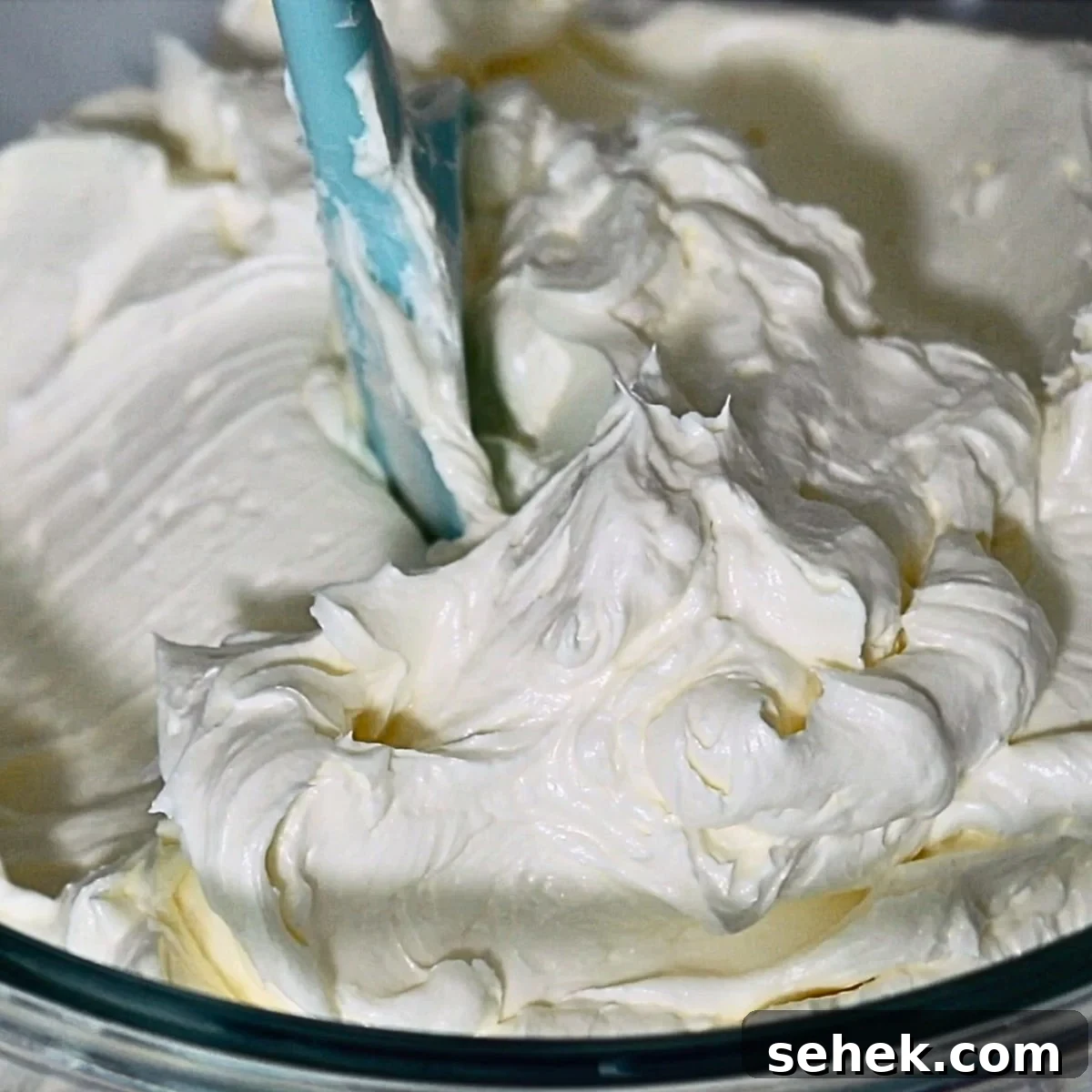
Want to master Italian buttercream (also called Italian meringue buttercream)? You’re in the right place. Below you’ll find clear, step-by-step instructions and troubleshooting tips to help you make smooth, stable, and delicious IMBC at home.
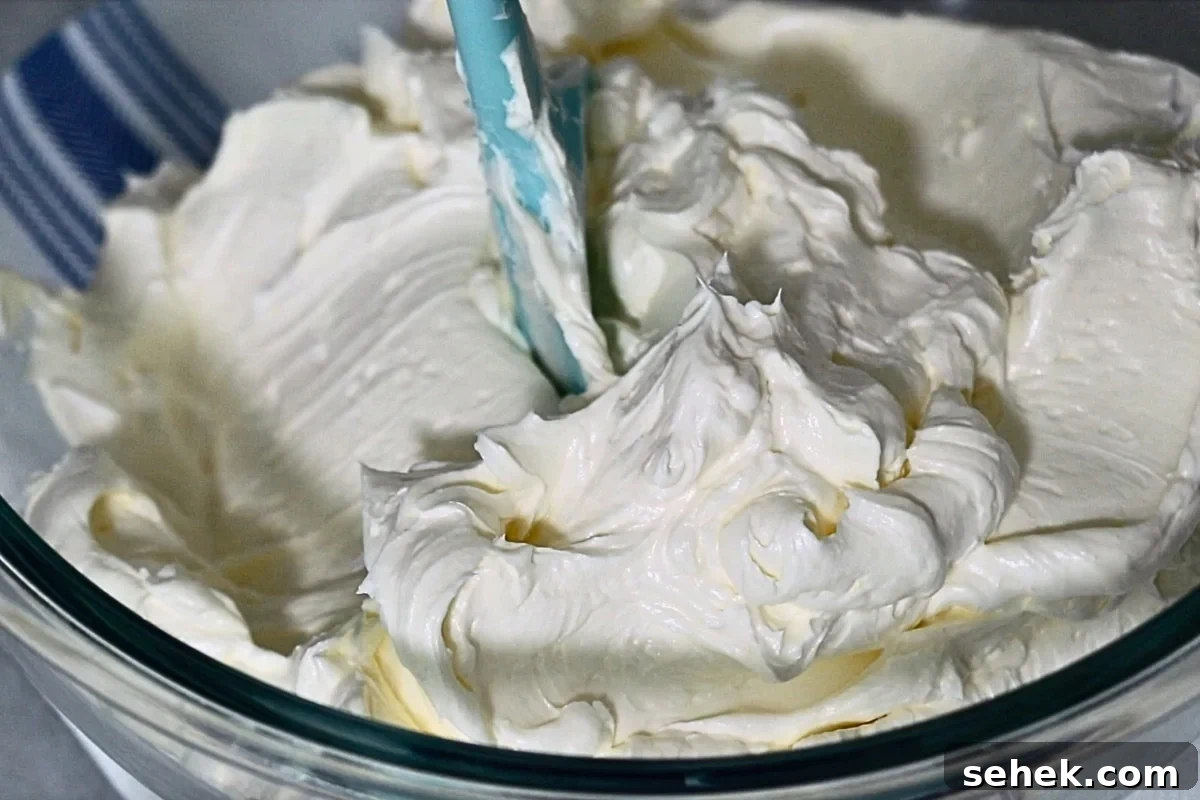
Although the process is straightforward, small mistakes can cause problems. The most common issues include:
- Hot sugar syrup crystallizing.
- Italian meringue that is too loose or too stiff.
- Buttercream that is too soft or not holding shape.
- Grainy or uneven texture in the finished buttercream.
Keep reading for practical solutions to these problems. With these tips you’ll be confident making Italian buttercream for macarons, frosted cakes, cupcakes, and piped decorations.
Let’s get started!

The Best Italian Meringue Buttercream
This Italian buttercream is one of the best frostings you can make because of its texture and stability:
- Simple ingredients: Just egg whites, sugar, water, and butter. Once you understand how to make the hot sugar syrup, the recipe becomes easy.
- Light texture: Italian meringue is light and glossy, so the resulting buttercream is lighter than many American-style frostings.
- Stable: This buttercream holds up well for larger cakes and detailed piping.
- Silky-smooth finish: The glossy meringue yields a very smooth, silky frosting.
- Balanced sweetness: Not as sweet as traditional American buttercream.
- No need to re-whip after storing: If made correctly, it stays stable after refrigeration or freezing.
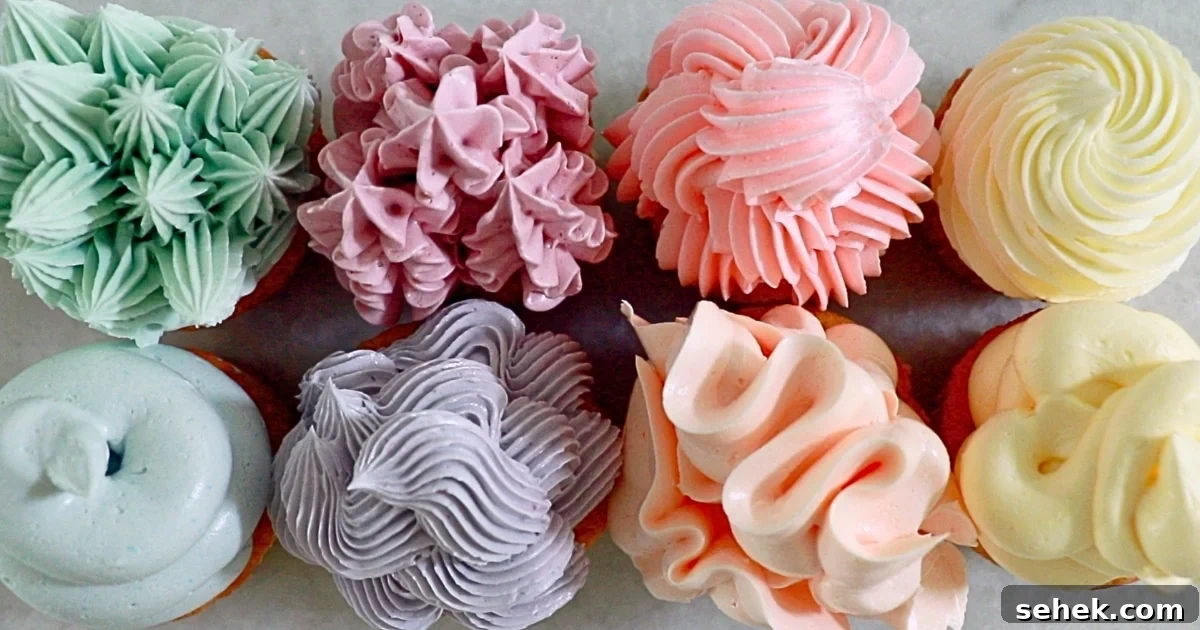
What is Italian buttercream?
Italian buttercream (Italian meringue buttercream or IMBC) combines Italian meringue with butter. Italian meringue is made by pouring a hot sugar syrup into whipped egg whites, which produces a glossy, stable meringue that stabilizes the buttercream.
Heating the sugar syrup before adding it to the whites creates a sturdier meringue than French (or Swiss) methods that add sugar directly while whipping.

How IMBC differs from other buttercreams
Here’s how Italian buttercream compares with popular types of buttercream:
- Italian meringue buttercream: Italian meringue + butter.
- Swiss meringue buttercream: Swiss meringue + butter (lighter than American buttercream, slightly denser than Italian in some cases).
- French buttercream: Pâte à bombe (egg yolk-based) + butter.
- American buttercream: Confectioners’ sugar + butter.
- German buttercream: Pastry cream + butter.
- Russian buttercream: Sweetened condensed milk + butter.
- English buttercream: Crème anglaise + butter.
14 Tips for Perfect Italian Buttercream
These 14 tips cover preparation, syrup, meringue, and finishing — follow them for consistent results.
Preparation
- Use softened butter: Butter should be at room temperature and soft enough to blend smoothly with the meringue.
- Keep equipment spotless: Any oil, grease, or residue will stop egg whites from whipping properly and increase the risk of syrup crystallizing. Separate egg whites carefully to avoid yolk contamination.
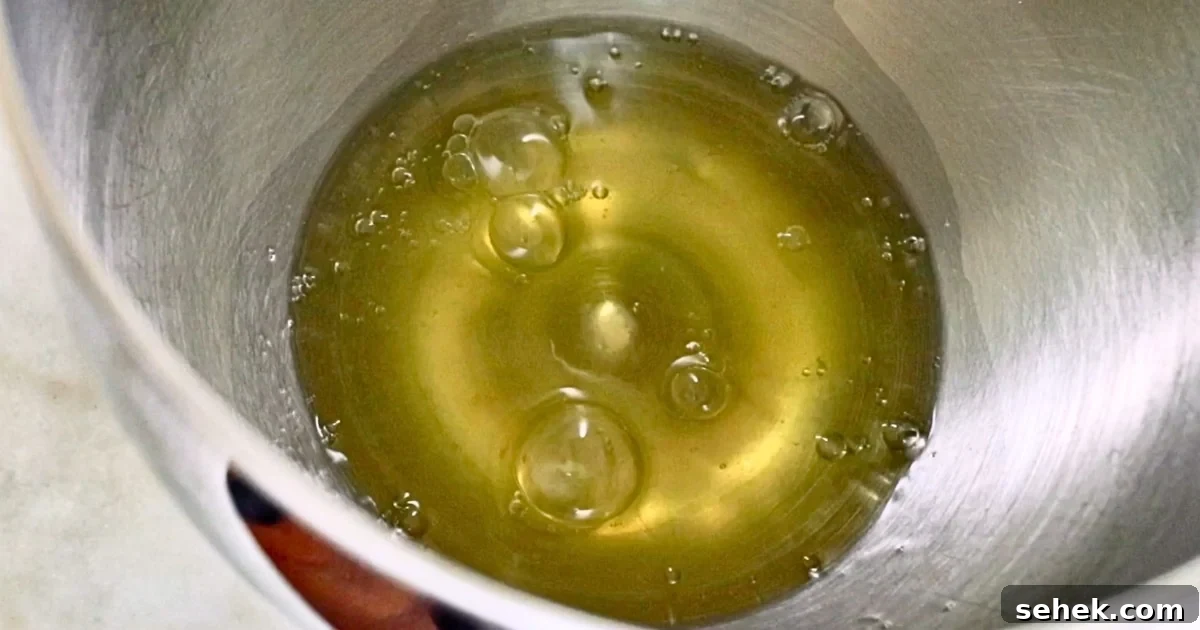
Hot sugar syrup
- Wet the sugar before heating: Add a little water so the granulated sugar is fully moistened. This helps prevent crystallization. If you see sugar on the pot sides, wash it down with a pastry brush and water.
- Don’t agitate early on: Avoid stirring or shaking the pot while the syrup heats; disturbance can encourage crystals to form.
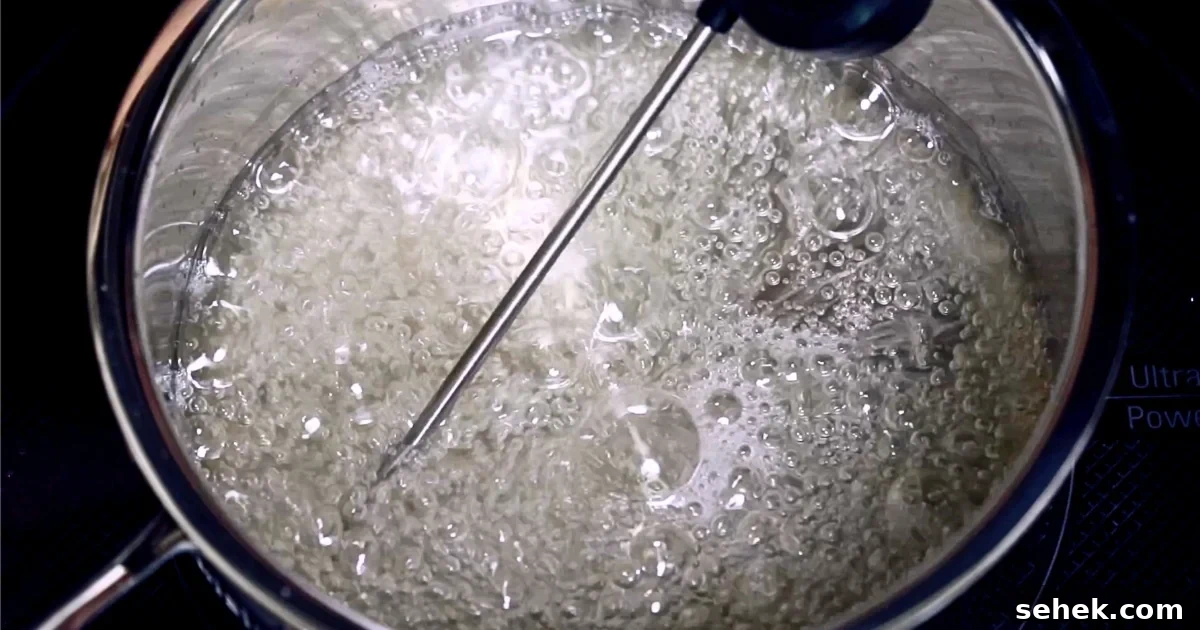
- Target temperature: Heat the syrup to 244–246°F (118–119°C). Lower temperatures produce looser meringue; higher temperatures risk a grainy result.
Italian meringue
- Whip whites until very fluffy just as the syrup reaches 244–246°F. Timing matters: the meringue will loosen briefly when the hot syrup is added.
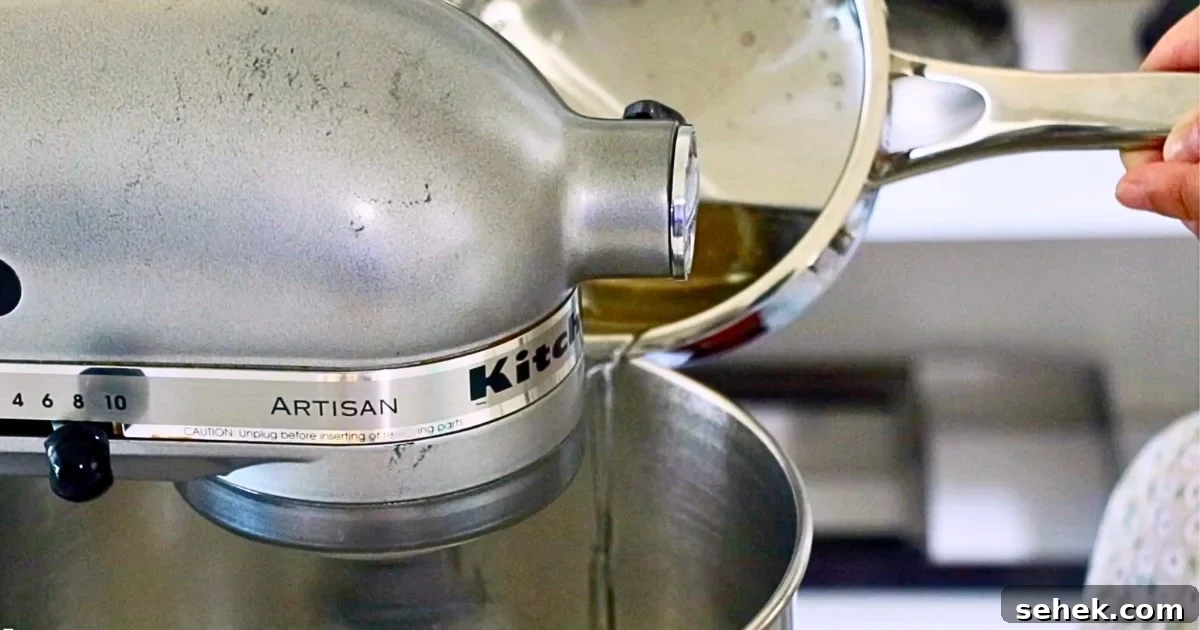
- Add syrup while it’s very hot: The syrup thickens as it cools, so pour it while hot.
- Pour slowly: Add the syrup down the side of the bowl so the whisk can incorporate it steadily. Adding too quickly may cause syrup to sink or splatter.
- Keep speed high then dial down as it cools: Whip at high speed while the bowl feels hot. Reduce to medium when warm and to medium-low when gently warm.
- Stop at room temperature: Once the meringue reaches room temperature, stop whipping to preserve volume.
Assembling the buttercream
- Add softened butter immediately: Begin mixing the butter in while the meringue is at its best.
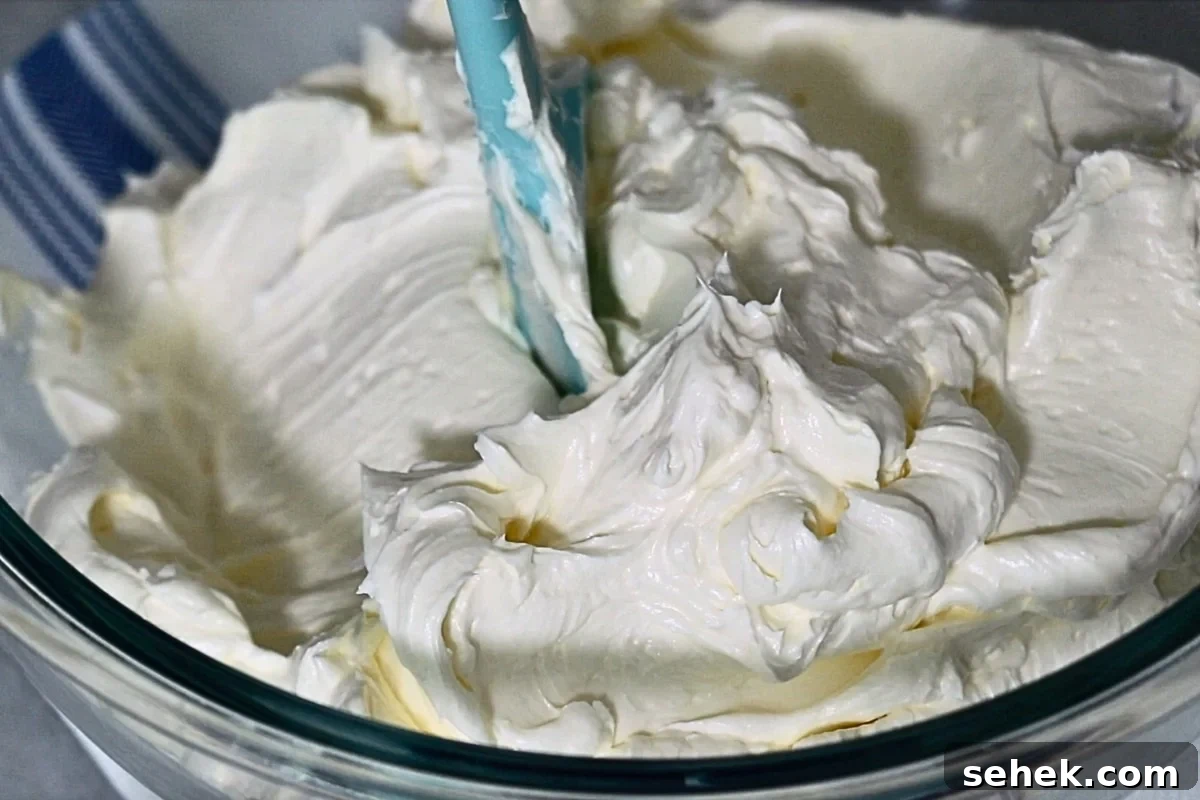
- Whip to desired texture: The meringue gives instant loft; whip more if you want extra airiness.
- Scrape and clean as you go: Wipe the bowl, whisk, and spatula occasionally to ensure even blending.
- Temperature after chilling: Buttercream firms in the fridge because of the butter. Bring it back to room temperature to return to a fluffy consistency before serving.
VIDEO: Watch How To Make Italian Buttercream
Follow a step-by-step video tutorial to see the technique and timing in real time.
What’s in Italian buttercream?
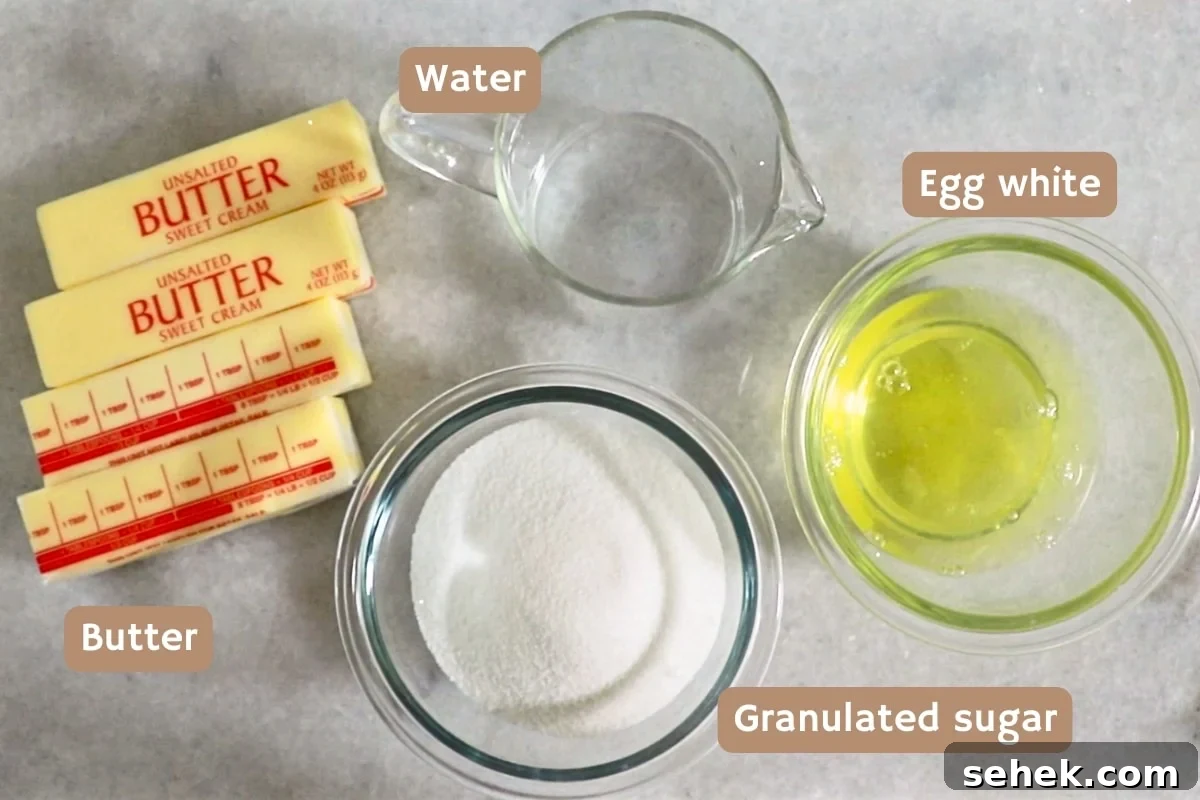
You only need four main ingredients: egg whites, granulated sugar, water, and unsalted butter. Use soft, room-temperature unsalted butter so it blends smoothly into the meringue.
- Egg whites: No yolk or contamination—any oil will prevent proper whipping.
- Granulated sugar: Used with water to make the hot sugar syrup. White granulated or caster sugar works best.
- Water: Wet the sugar so it dissolves evenly while heating.
- Unsalted butter: Soft at room temperature for smooth incorporation.
5 Steps to Make Perfect Italian Buttercream
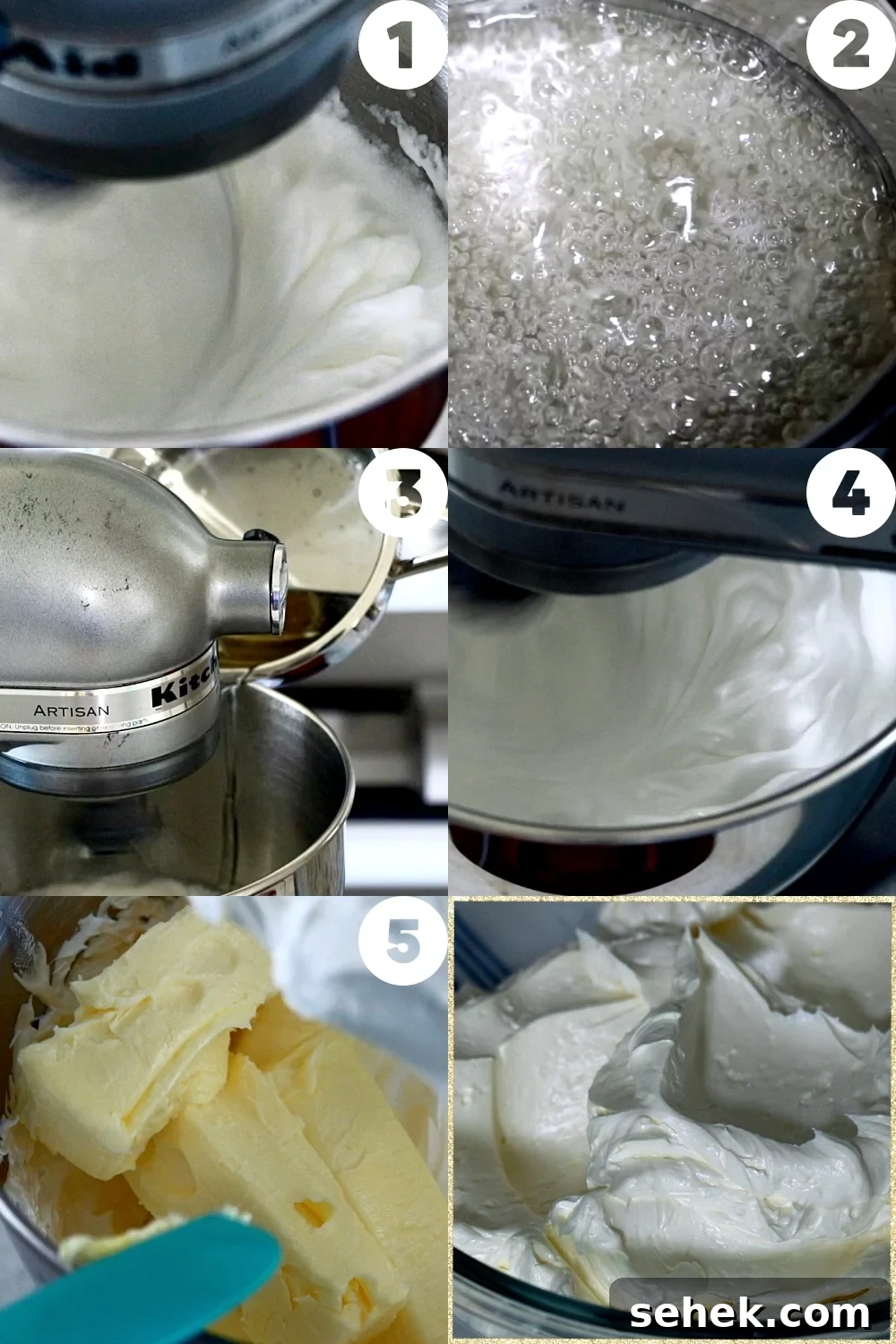
- Whip egg whites in a stand mixer (or with a hand mixer) from low to high speed until very fluffy. Time this to coincide with your syrup readiness.
- Heat sugar and water in a saucepan over medium to medium-high heat to 244–246°F (118–119°C). Brush down any sugar on the pot sides with water to prevent crystallization and lower heat as it nears temperature.
- Add hot syrup slowly down the side of the whisking bowl while continuing to whip at high speed.
- Keep whipping at high speed while the bowl is hot, then reduce speeds as the mixture cools. Stop when the meringue reaches room temperature.
- Mix in room-temperature butter at medium speed until silky and even. Clean the sides and bottom of the bowl as needed. If you want to reduce large air pockets, finish with a short low-speed whip.
One batch covers a simple 8-inch cake; make more if you’ll be piping a lot of decoration.
How to Color Italian Buttercream
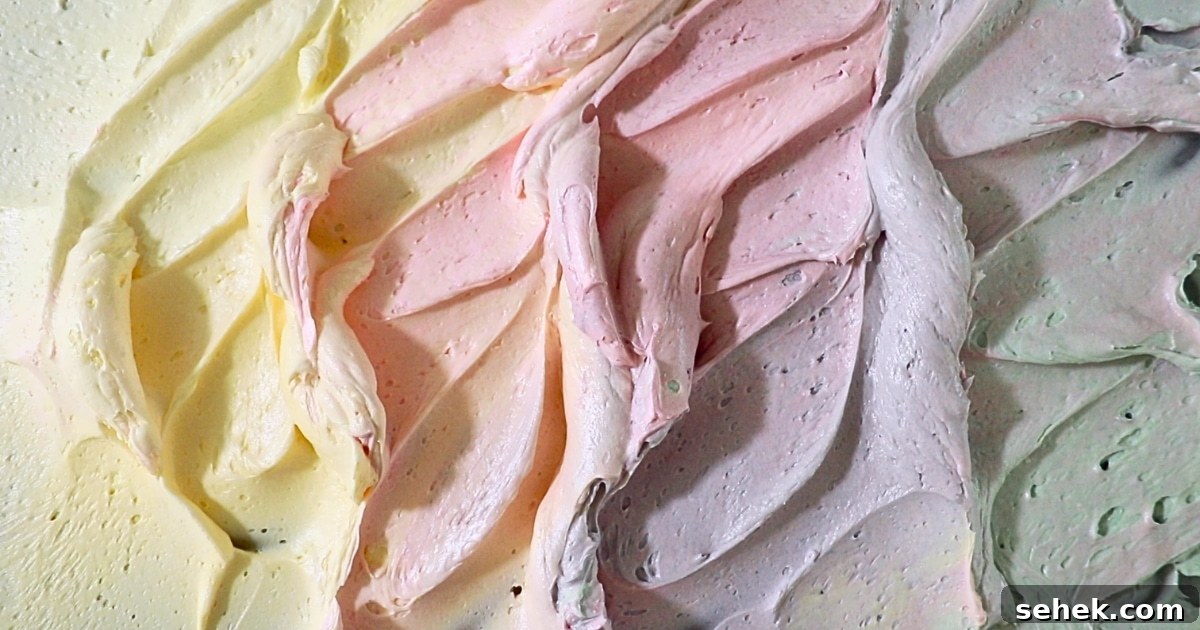
Add flavorings or color when you add the butter or at the end. Use paste or gel food coloring for vibrant color without thinning the buttercream. Liquid colorings can affect consistency more noticeably.
Storage tips
Store buttercream in an airtight container. One batch fits in a 32-oz container. You can wrap portions in plastic so you can trim and pipe straight from the wrap. Keep refrigerated up to 5 days or frozen for several months.
Remember: Buttercream firms when chilled. Let it come to room temperature after refrigeration to return to a fluffy, spreadable texture.
How to thaw
Thaw in the refrigerator overnight or at room temperature for several hours. Thaw time varies with room temperature and quantity—frozen buttercream can take about five hours at 77°F (25°C) to soften. If made correctly, you do not need to re-whip after thawing.
Flavor variations
This smooth base pairs well with many flavors. A few ideas:
- Vanilla: Add vanilla extract or scraped vanilla bean.
- Lemon: Stir in lemon curd for bright citrus flavor.
- Strawberry: Fold in strawberry jam for a fruity frosting with texture.
- Caramel: Add caramel sauce; use darker caramel and a pinch of sea salt for depth.
- Chocolate: Mix in cocoa powder or melted chocolate (melted into a ganache first for best texture).
- Almond: Add almond extract.
- Coffee: Add instant espresso powder, cooled concentrated espresso, or coffee anglaise.
- Peanut butter: Fold in creamy peanut butter and a pinch of sea salt for a rich variant.
Troubleshooting
Why is the Italian meringue loose?
Possible causes:
- Meringue was too warm and the butter or meringue structure softened.
- Meringue was under-whipped before adding syrup.
- Meringue was over-whipped and began to separate.
- Warm kitchen temperatures made the mixture softer.
- Equipment or ingredients were contaminated with oil or other residues.
Why is my Italian buttercream loose?
Common reasons:
- Syrup temperature: If the syrup was too cool, the meringue will be looser and the buttercream may not set firmly.
- Butter temperature: Butter that is too soft or slightly melted will make the buttercream loose.
- Meringue temperature: Adding butter to a warm meringue can cause the butter to soften and produce a loose texture. Ensure the meringue is cool enough before adding butter.
Why is my Italian buttercream not smooth?
Two likely causes:
- If the syrup overheated, it can harden quickly and leave sugar grains or a slightly grainy meringue.
- If the butter was too cold it won’t blend smoothly into the meringue; conversely, if butter was too warm it can make the texture greasy. Aim for butter at about the same softness as the meringue.
Why did my buttercream get hard?
Buttercream firms when refrigerated because of the butter. If it becomes too firm, let it sit at room temperature until it softens to a spreadable, fluffy consistency.
Frequently Asked Questions
Using a candy thermometer is the most reliable method. If you don’t have one, test the syrup by dropping a little into ice water: it should form a soft, elastic ball that can be pressed like clay.
It will stay fine at room temperature for several hours if the room isn’t too warm. For longer storage, refrigerate after 8–12 hours to keep it fresh.
Reducing sugar too much destabilizes the meringue and can cause collapse. Small adjustments are possible, but large reductions are not recommended.
Yes. You can use a hand mixer, but it requires more effort to keep the meringue whipping while you add the hot syrup.
Yes. IMBC is stable enough for large or tiered cakes and holds up well for many piping and decorating techniques.
If it was made correctly, you usually don’t need to re-whip after thawing. Bring it to room temperature before using.
Small amounts of liquid flavorings are fine, but large quantities can loosen the buttercream. Prefer thicker additions like curds or jams over watery purees.
More buttercream recipes
If you enjoy Italian buttercream, try other light frostings such as Swiss meringue buttercream, lemon buttercream, or cream cheese frosting.
Cake recipes to pair with IMBC
Italian buttercream pairs well with lemon cupcakes, red velvet, classic chocolate, or a simple vanilla butter cake.
Did you try the recipe?
Share your feedback in the comment section below — I’d love to hear how your buttercream turned out for celebrations with friends and family.
Thank you! – Aya


The Best Italian Buttercream
Pin Recipe
25 mins
5 mins
30 mins
8 inch cake with simple decoration
Equipment
Method
Nutrition
Notes
Video
Ingredients
- 453 g (2 cups) Unsalted butter, softened
- 113 g (about 3.5 eggs) Egg whites
- 226 g (1 1/8 cups) Granulated sugar
- 75 g (1/3 cup) Water
- Gel paste food coloring, optional
Note: For best results, weigh ingredients. Cup measures are provided for convenience.
Equipment
- Stand mixer with whisk attachment (or hand mixer)
- Small saucepan
- Candy thermometer
- Spatula
Method
- Whip egg whites: Whip the egg whites in a mixer from low to high speed until very fluffy. Time this so the syrup is ready as you reach high peaks.
- Make syrup: Heat sugar and water over medium heat to 244–246°F (118–119°C). Brush down the pan sides with water if needed to prevent crystals. Reduce heat near the end so it doesn’t overshoot.
- Combine: Slowly pour the hot syrup down the side of the whisking bowl while whipping at high speed.
- Whip to cool: Continue whipping while the bowl feels hot, reduce speeds as it cools, and stop when the meringue reaches room temperature.
- Add butter: Add softened butter and whip at medium speed until smooth. Scrape the bowl and whisk occasionally. Optionally finish with a short low-speed whip to reduce large air pockets.
Notes
Storage: Keep in an airtight container in the fridge up to 5 days or freeze for several months. Thaw in the fridge overnight or at room temperature until softened before using.
Nutrition
Tried this recipe?
Let us know how it went in the comments!