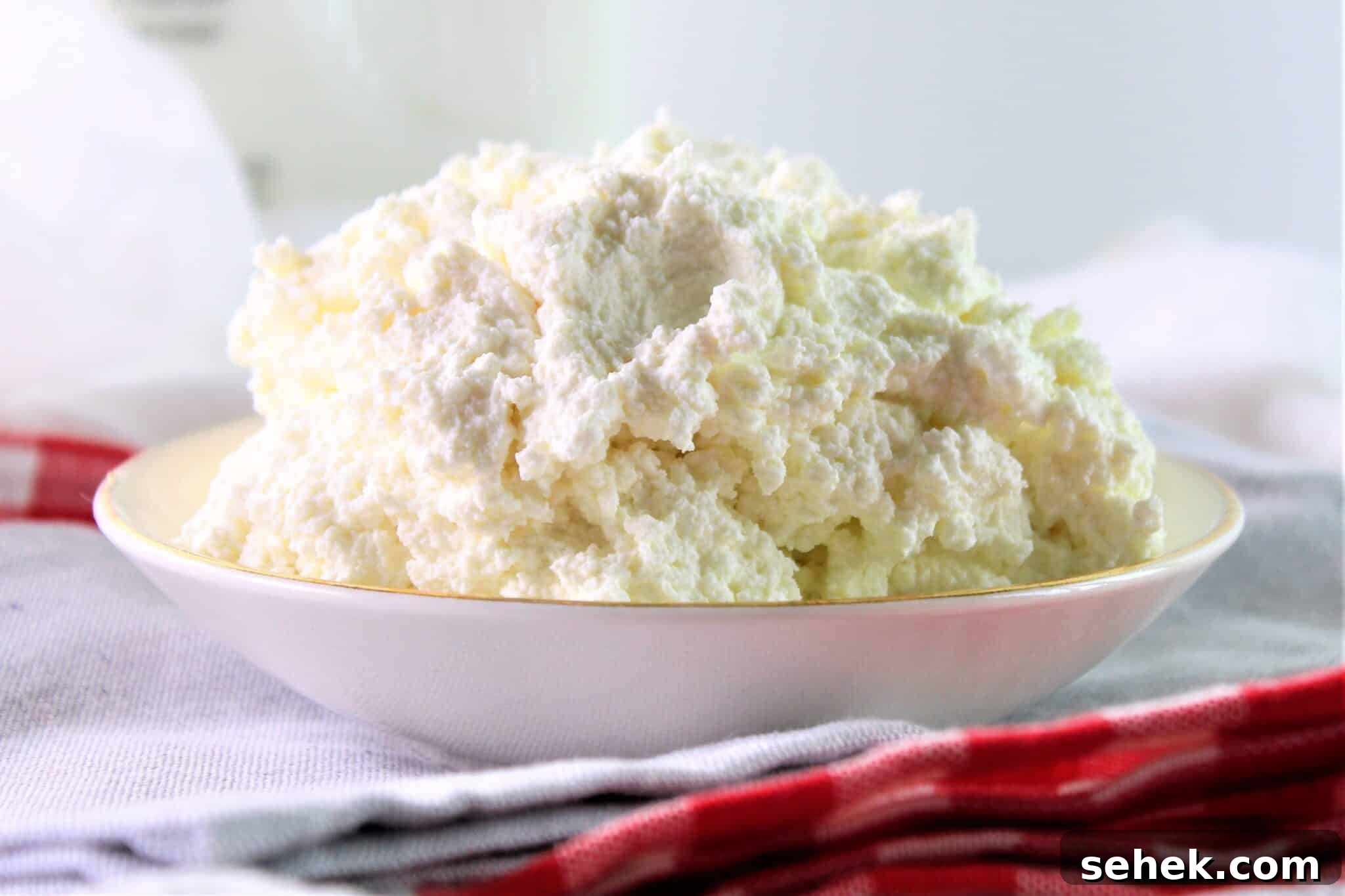
Once you make homemade ricotta cheese, you’ll never go back to the store-bought kind. It’s incredibly smooth and creamy, and surprisingly simple to prepare.
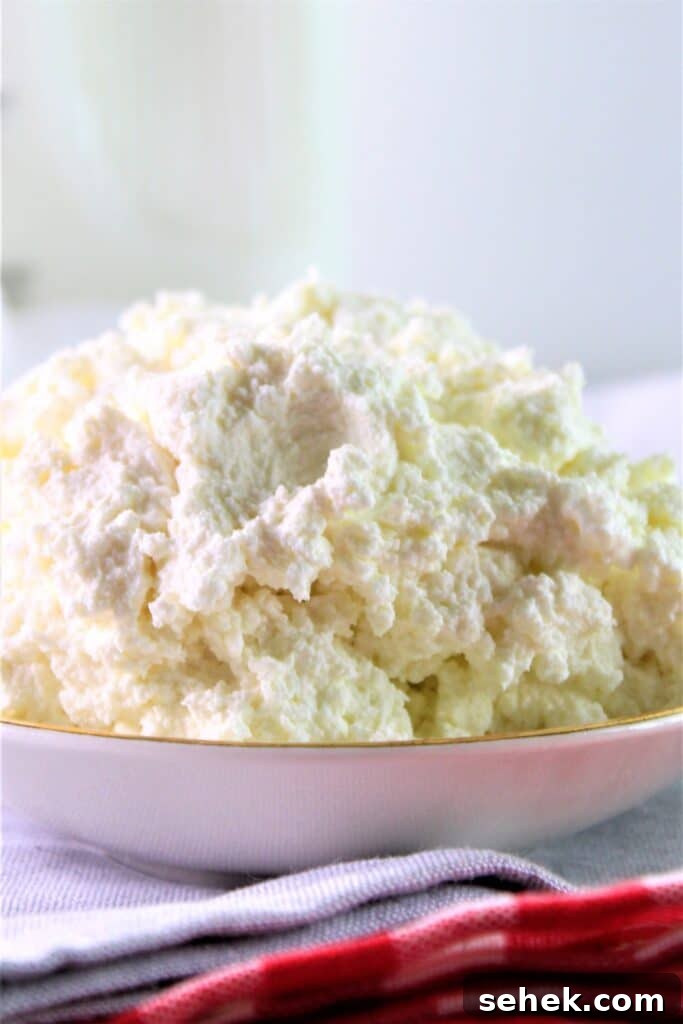
You might wonder why bother making ricotta when the store sells it — and many brands are gluten free. But while store-bought ricotta works fine when it’s mixed into baked dishes, fresh homemade ricotta shines when it’s the star of a dish. The texture and flavor are noticeably better, and it’s faster than a trip to the store if you already have milk and cream on hand.
How to Make Homemade Ricotta Cheese
I’ve been making fresh ricotta for years and prefer it every time. When I need ricotta, I first check the fridge for milk and cream — if I have them, I make ricotta instead of heading to the store. The process is quick and requires only a few ingredients.
This recipe calls for just four ingredients: whole milk, heavy cream, salt, and an acid (lemon juice or white vinegar). I usually use lemon juice when it’s available, but white vinegar is a reliable substitute. Adding heavy cream gives a richer, creamier result; my ratio is three parts milk to one part heavy cream.
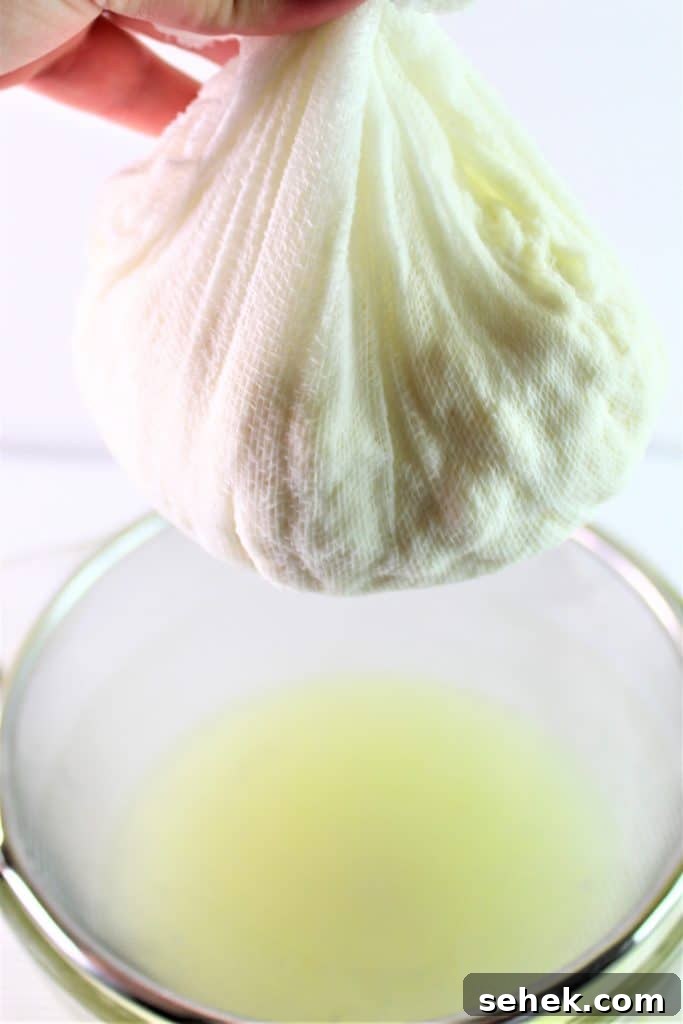
Heat the milk, cream, and salt over medium heat, stirring occasionally, until the mixture just begins to simmer. If you use a thermometer it should read about 190°F (88°C). Without a thermometer, watch for tiny bubbles forming around the pan’s edge and a few in the center. Remove from heat, stir in your acid, and let the pot sit undisturbed for 5–10 minutes to allow curds to form. Then scoop the curds into a sieve lined with cheesecloth set over a large bowl — the curds will stay in the cloth while the whey drains away. Congratulations: you’ve made cheese.
Changing the Consistency of Your Ricotta Cheese
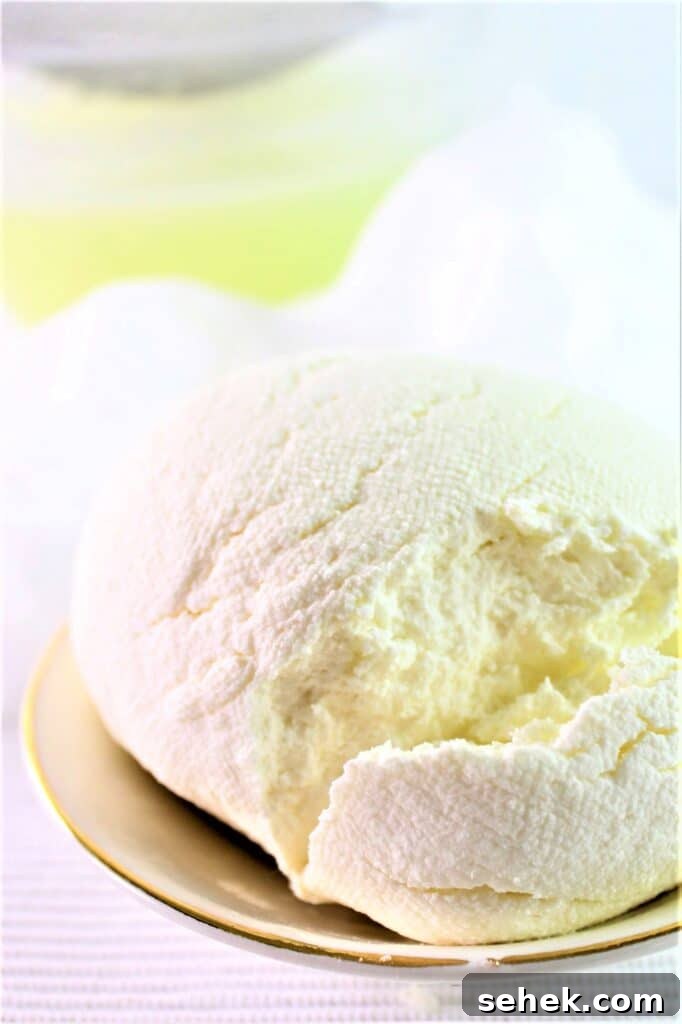
You can control the texture by how long you drain the curds. For a looser, wetter ricotta that’s ideal on pizza or mixed into baked pasta, drain just a couple of hours. For a denser, almost mascarpone-like ricotta, fold the cheesecloth over the curds and refrigerate the whole strainer and bowl overnight. The result is thick, very creamy, and silky.
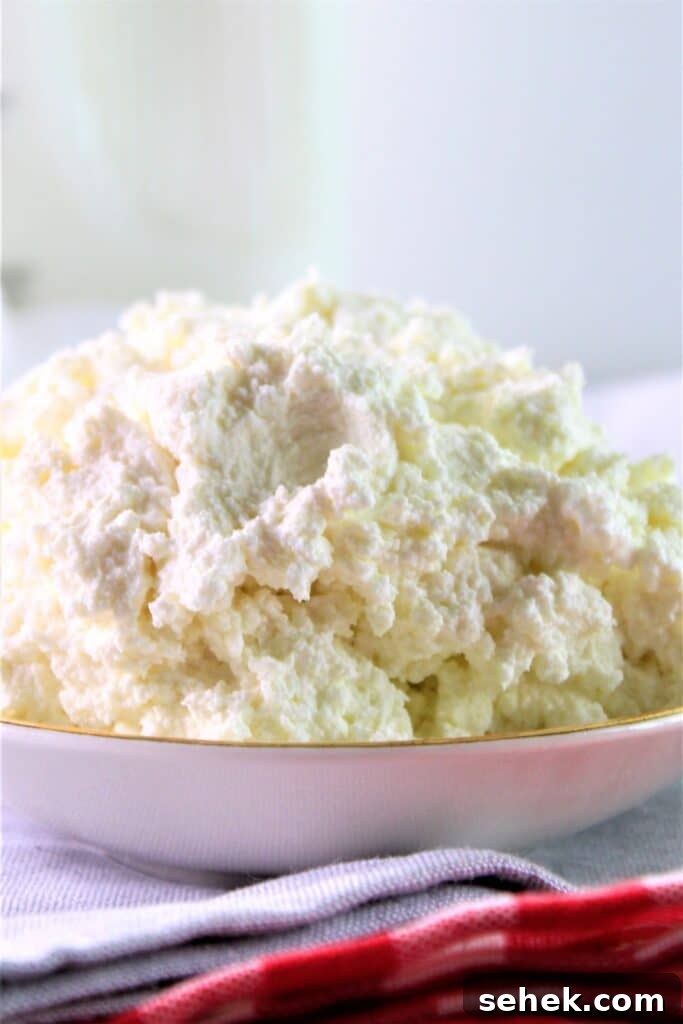
If you prefer a firmer ricotta, refrigerate it overnight in the cheesecloth. When unmolded the next day, it will hold its shape and have a smooth, spreadable texture that works beautifully as a centerpiece on crostini, in lasagna, or served with fruit and honey.
Ways to Use Homemade Ricotta Cheese
Homemade ricotta is versatile. Here are some simple ideas to get you started:
- As the filling for cannoli or other pastries
- Topping for white pizza or spinach pizza
- Mixed into baked pasta dishes like baked ziti
- Spread on crostini with figs and a drizzle of honey
- Layered in lasagna
- Served with fresh berries and honey for breakfast
Eat Your Curds AND Whey!
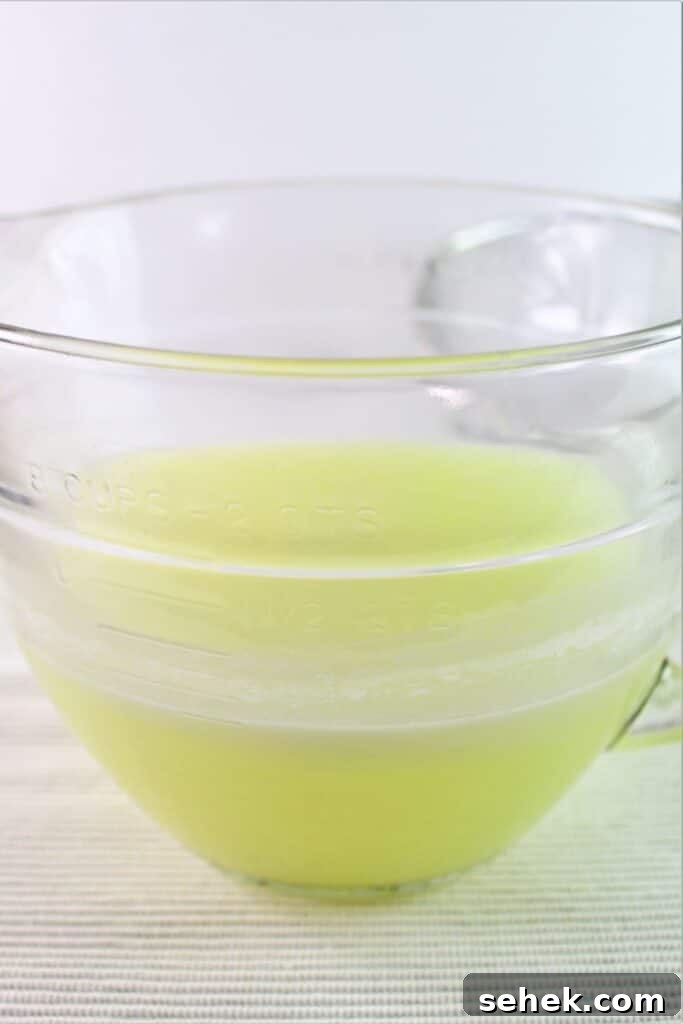
Don’t discard the whey — it’s a useful byproduct. Whey adds flavor and nutrition and can replace other liquids in many recipes.
- Use whey instead of water or milk in bread recipes
- Add it to smoothies and shakes for extra protein
- Cook rice, potatoes, grains, or pasta in whey for added flavor
- Include it in soups and stews as a flavorful cooking liquid
Making ricotta at home is easy, rewarding, and yields a far superior cheese compared with most store-bought varieties. Try this method and enjoy fresh ricotta whenever you like.
Homemade Ricotta Cheese
Equipment
-
cheesecloth
-
sieve
Ingredients
- 6 cups (1.44l) whole milk
- 2 cups (480ml) heavy cream
- 1 teaspoon kosher salt
- 4 tbsp (¼ cup or 60ml) fresh lemon juice OR white vinegar
Instructions
-
Heat the whole milk, heavy cream, and salt over medium heat in a large pot. Stir occasionally and heat until tiny bubbles form around the edges and the mixture is just below a simmer (about 190° F if using a thermometer).
-
Remove from heat and stir in the lemon juice or vinegar. Let the mixture sit undisturbed for 5–10 minutes so the curds can form.
-
Line a large sieve with two layers of cheesecloth and set it over a bowl. Pour the curds and whey into the sieve; the curds will collect in the cheesecloth while the whey drains into the bowl below.
-
For a looser ricotta, drain only a few hours and refrigerate. For a thick, cream-cheese-like texture, fold the cheesecloth over the curds and refrigerate the whole strainer and bowl overnight. Unmold the next day for a firm, spreadable cheese.
-
Store homemade ricotta in an airtight container in the refrigerator for up to four days and use wherever ricotta is called for.