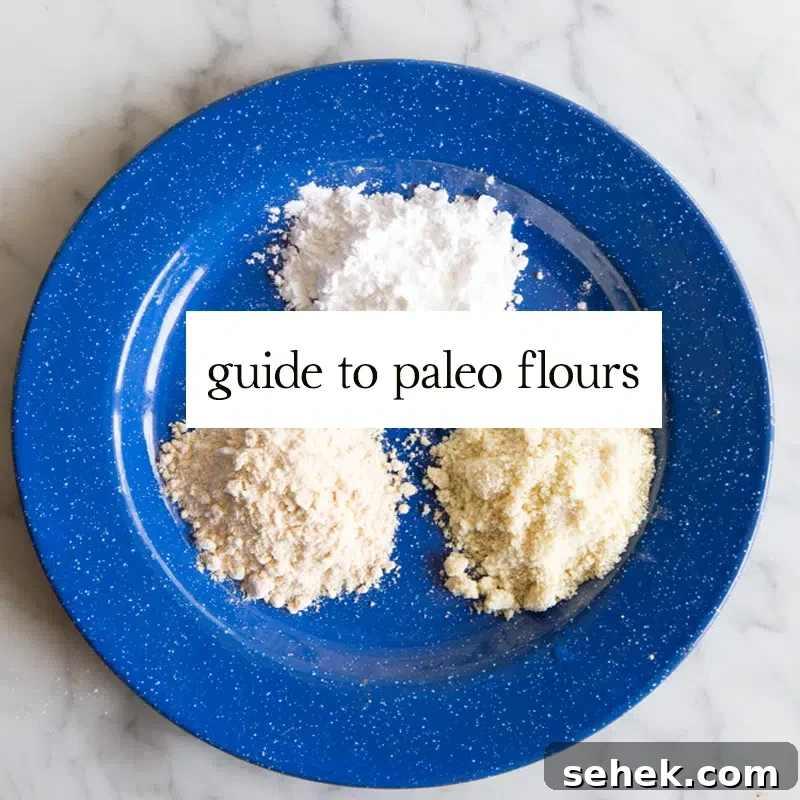
Learning to bake with paleo flours such as almond flour, coconut flour, and tapioca flour can feel intimidating at first. This paleo flour guide will help you understand how to recreate many favorite baked goods—breads, cakes, cookies, and more—using grain-free alternatives.
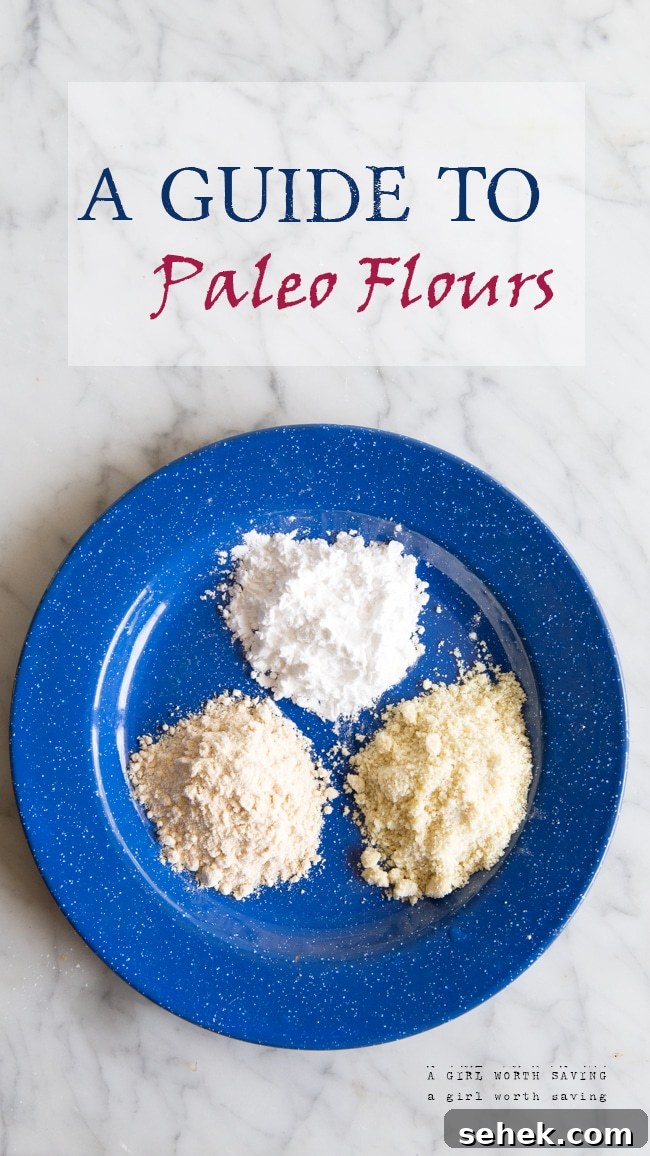
Although the Paleo diet emphasizes grass-fed meats, vegetables, fruits, healthy fats, nuts, and seeds, you can still enjoy baked treats occasionally by using paleo-friendly flours. Making the switch from wheat-based flours to paleo flours requires a bit of trial and error, but with patience you’ll find combinations and techniques that work for you.
I’ve found that blending different paleo flours often produces a lighter texture that more closely resembles wheat-based baked goods. Grinding whole nuts in a food processor also works as a quick substitute when you’re out of store-bought almond flour.
Texture matters more than exact measurements when working with homemade paleo flours. Finely ground nuts from your processor will behave differently than commercially milled almond flour, so adjust by feel and appearance rather than following measurements rigidly.
Below are practical tips and essential information for working with the three most popular paleo flours: coconut flour, tapioca (and arrowroot) flour, and almond flour.
How to use Coconut flour:
Coconut flour is made from the dried, defatted meat of the coconut after milk extraction, then finely ground. It’s very high in fiber—the highest fiber content of common flours—and is low in carbohydrates, making it a strong choice for low-carb baking. Because it absorbs liquid aggressively, you use much less coconut flour than wheat flour and you cannot substitute it cup-for-cup.
A rough conversion is 1/4 cup coconut flour to 1 cup wheat or rice flour, but you should follow recipes specifically designed for coconut flour when possible. When measuring, scoop gently and level with a knife—do not pack or pour, as small differences in quantity can change results.
Adjust wet ingredients based on egg size and dough consistency. If a batter seems too wet, add coconut flour sparingly (start with 1 teaspoon at a time). If it’s too dry, add a bit more oil or another liquid to loosen the mixture. Though derived from coconut, coconut flour has a mild flavor that becomes subtle once mixed with other ingredients.
Coconut-based baked goods are best eaten fresh or frozen right away; they don’t keep as long as wheat-based treats.
If you want deeper guidance with coconut flour techniques and recipes, consider a dedicated guide that covers tips and tricks for consistent results.
How to use Tapioca flour:
Tapioca flour is the starch extracted from the cassava (manioc) root. It’s a carbohydrate-rich, protein-free starch that pairs well with lower-carb flours like coconut flour. Tapioca is excellent for thickening sauces, pies, and custards, and it helps give grain-free breads a pleasant, elastic texture when mixed with eggs and oil.
When heated with liquid, tapioca thickens quickly and becomes elastic and pliable—useful for doughs and certain fillings. For non-dairy custards or fruit curds, dissolve tapioca in cold water first, then add to the hot mixture; adding it directly to warm liquid can cause clumping. Tapioca can become slimy if mixed with dairy, so test recipes accordingly.
Many readers find tapioca tricky to work with, so some practical tips: add tapioca gradually until you reach the desired consistency; compare your mixture to reference photos or videos to understand how it should look; and if mixing by hand isn’t working, try a stand mixer or food processor to bring the dough together.
Arrowroot Flour:
Arrowroot is often interchangeable with tapioca. Made from the starch of arrowroot tubers, it dries to a fine, odorless white powder that creates a clear, smooth gel when heated with liquid. Arrowroot is ideal for clear sauces and jellies because it does not make them cloudy. Like tapioca, it swells in boiling liquid and thickens quickly, so remove the mixture from heat once it reaches the desired thickness to avoid breakdown.
How to use Almond Flour:
Almond flour is produced by grinding almonds. Coarser grind is called almond meal and produces a slightly gritty texture in baked goods, while finely ground almond flour gives a smoother crumb—be careful not to overprocess or you’ll end up with almond butter. Almond flour is higher in protein and fat than grain flours and pairs well with both coconut and tapioca flours in many recipes.
Almond flavor is noticeable in finished products, so account for that in flavor profiles. Almond flour works well for cakes, cookies, and quick breads, and it adds moisture and richness to baked goods.
Final tips: experiment with blends of these flours to balance texture and flavor; measure thoughtfully, but prioritize dough consistency; and be patient—mastering paleo baking takes practice, but you can produce delicious grain-free versions of many classic treats.