
Mealtimes in our home used to be a constant struggle. Tears, bribes, whining, begging—and sometimes threats—were the norm.
“You won’t get [something the kid wants] if you don’t eat two bites!”
My husband and I fought an ongoing battle to get our children to eat the healthy meals I prepared—and most evenings we lost. Convincing them to eat anything beyond bread and crackers felt like asking them to skip Halloween and Christmas. They would look at chicken and sautéed vegetables like I’d put a plate of slimy eels in front of them.
That was then. Now, I have four kids who get excited when tofu tacos are on the menu (I’m not kidding). They eat salad and will try most foods.
What changed?
After a lot of research—my favorite book was It’s Not About the Broccoli—we shifted how we handle mealtimes. Below are practical, evidence-based strategies that helped my family move past picky eating and build healthy, happy mealtime habits.
HOW TO END PICKY EATING & CREATE HEALTHY MEALTIME HABITS
1) Involve Your Child
When children participate in choosing and preparing food, they become more invested in eating it. Ask them what to include on the menu, have them help pick produce at the store, and let them help in the kitchen. Kids love placing fruits and vegetables into bags and helping measure or mix ingredients.
Research shows children who help prepare a meal are more likely to eat it—especially the vegetables. Simple tasks like stirring, measuring, or counting scoops make a big difference. Even watching and learning how a dish is made increases the chance they’ll try it.
In our home, involving my pickiest child in cooking has been a game-changer. It’s been fun, a sweet bonding experience, and it makes her much more likely to try what she helped make.

2) Never Force Kids to Eat
If you were forced to eat as a child, you probably didn’t end up loving the food because of it. Forcing creates negative associations with mealtime and often makes picky eating worse. Removing the pressure—forcing, bargaining, or negotiating—helps children feel secure and in control, which often leads them to eat more freely.
When we stopped forcing and instead offered several healthy options, my very picky daughter initially chose rice a lot. With no pressure, she gradually began trying new foods. Turning control over to her improved her diet dramatically; now she’ll try most things we serve.
This approach requires patience, but it prevents food from becoming a battleground and helps children learn to make choices about what they eat.
3) Set Mealtime Rules That Encourage Trying New Foods
If your mealtimes have included bribes or force, establish clear, consistent rules to create a calm, predictable environment. Rules help kids feel safe and more willing to explore food on their own.
Suggested rules:
For kids
- You don’t have to eat anything you don’t want to.
- If you try something and don’t like it, you can spit it out.
- Never call any food “gross” or use similar labels.
For parents
- I will not force you to eat anything.
- I will provide several food options at each meal.
- If you don’t like what’s served, you can always eat from a predetermined list of acceptable foods (in our house: veggies, fruit, and Greek yogurt).
With consistent rules, children begin exploring more foods when they feel safe at the table.
4) Talk About How Food Tastes and Feels
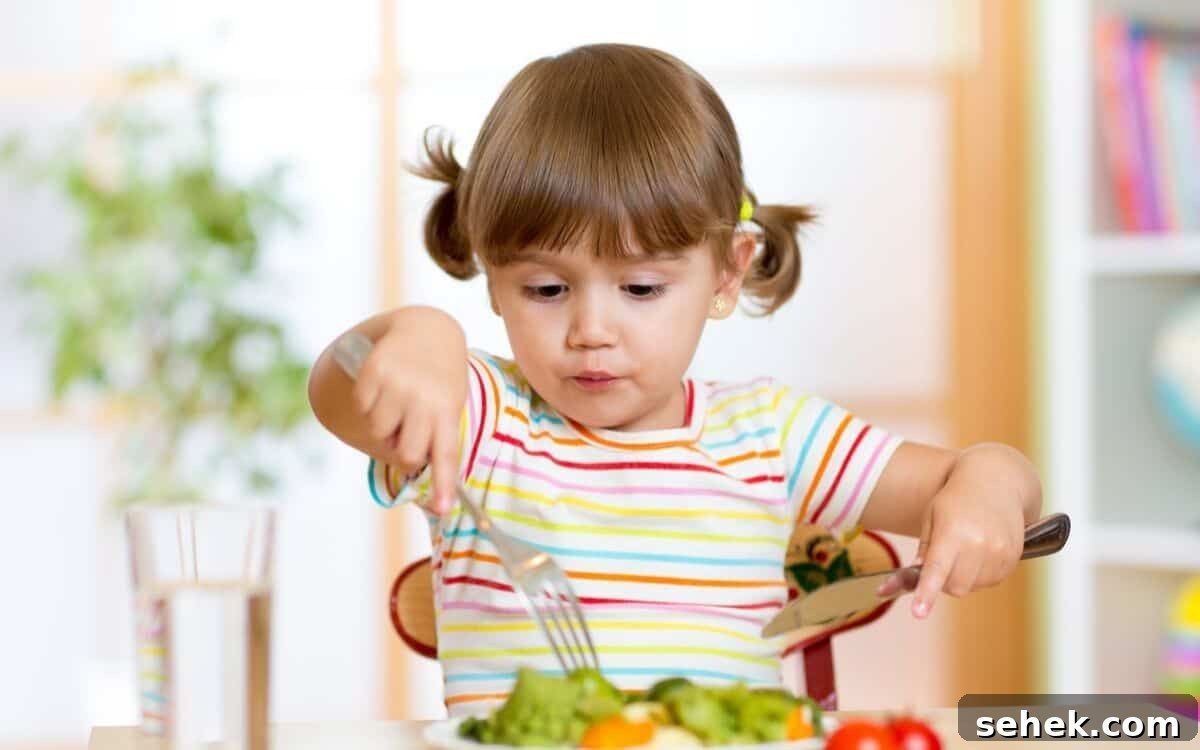
Fear of the unknown is a major barrier. Describe flavors—sweet, salty, savory, bitter—and textures—creamy, crispy, fluffy, crunchy, tender. Ask kids to describe what they taste and feel. Turning eating into a little experiment makes new foods less intimidating and more interesting.
5) Make ONE Meal
Preparing separate meals encourages picky habits. Instead, offer a single family meal with a few choices and ensure at least one item is something your child usually enjoys. If a child refuses everything, allow raw vegetables, nuts, seeds, or fruit as alternatives, but avoid cooking a separate plate. This saves time and encourages better habits.
6) Get Your Spouse on the Same Page
Mixed messages between caregivers undermine progress. Talk with your partner about the foods you want to serve and agree on mealtime rules and routines. Consistency from both parents helps children take the new approach seriously.
7) Keep Plenty of Healthy Snacks and Foods Around
When unhealthy options aren’t readily available, children have less to beg for instead of what’s offered at meals. I avoid soda and juice at home and buy dense whole-grain bread so sandwiches become a healthy choice. Stock the pantry with nutrient-dense snacks so the default options are the healthiest ones.
8) Make Meals Fun
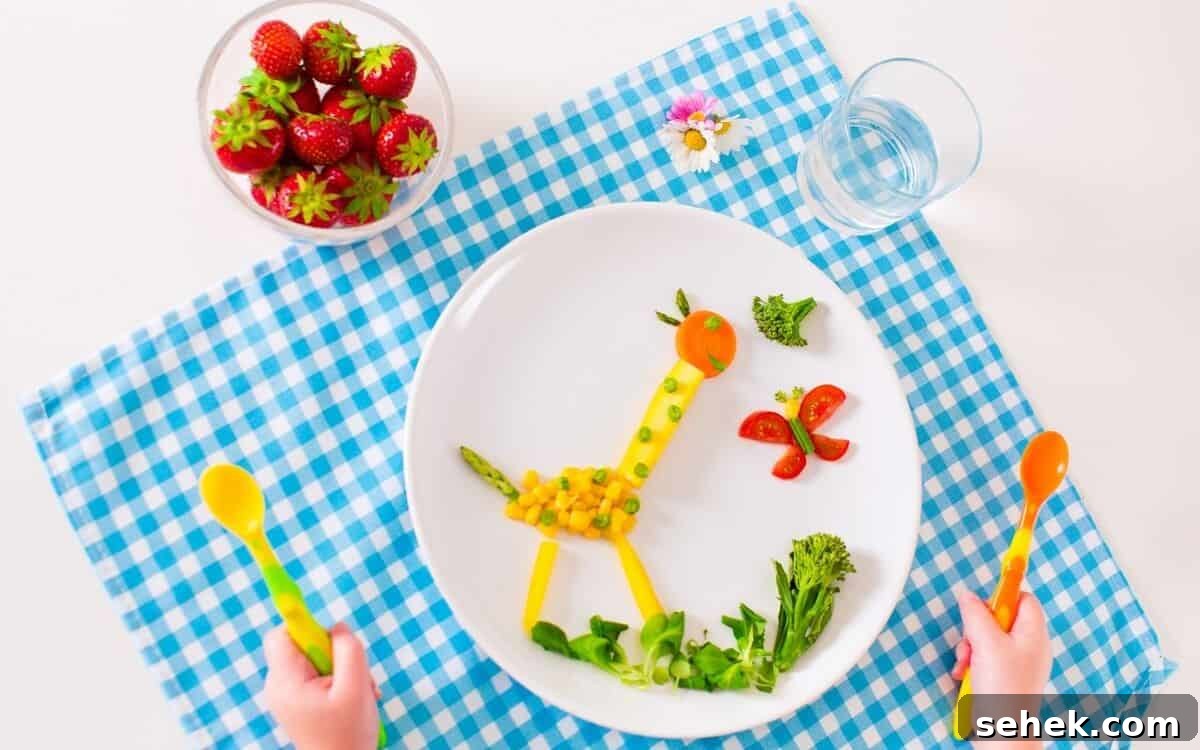
Positive mealtime experiences encourage healthy associations. Involve kids in meal prep, experiment with dips and sauces, or serve breakfast for dinner to keep things playful and engaging.
9) Don’t Bribe with Dessert
Using dessert as a reward teaches children that healthy food is unpleasant and must be endured to reach the “real” prize. Bribing with dessert shifts the goal to earning treats instead of developing healthy habits. We eliminated dessert for a while to remove that incentive and refocus on enjoying meals themselves.
10) Introduce a New Food with Foods They Like
Pair one or two familiar favorites with a new item. Children are more willing to try something unfamiliar when it sits alongside foods they already enjoy rather than on an all-new plate.

11) Offer Fruits and Veggies with Every Snack and Meal
Repeated exposure is key—children often need more than ten exposures to accept a new food. Serving fruits and vegetables regularly increases the chances they’ll develop a taste for them. Frequent healthy snacks also reduce pressure at dinner, since children won’t arrive starving and resistant.
12) Be Consistent
Children notice patterns. If new rules are applied inconsistently, kids quickly learn they can wait things out. Consistent expectations and routines are essential for long-term change. Healthy eating won’t happen overnight, but steady application of these strategies helps kids try new foods, enjoy healthier options, and form habits that last.
YOU CAN END PICKY EATING AT YOUR HOUSE
You can create a home of healthy eaters, no matter how picky your children are now. If you want further reading, It’s Not About the Broccoli: Three Habits to Teach Your Kids For a Lifetime of Healthy Eating transformed our mealtime approach and reduced food battles.
You’ve got this.
You May Also Like…
10 High-Protein Breakfasts for Kids
How to Quickly Pack Healthy School Lunches
13 Ways to Get Kids Excited About Chores

The 3 Secrets to Keep Your Home Clean
Even when you have kids and no time.
Get instant access to the 13-minute training and workbook full of practical resources.
And best of all: it’s 100% free.