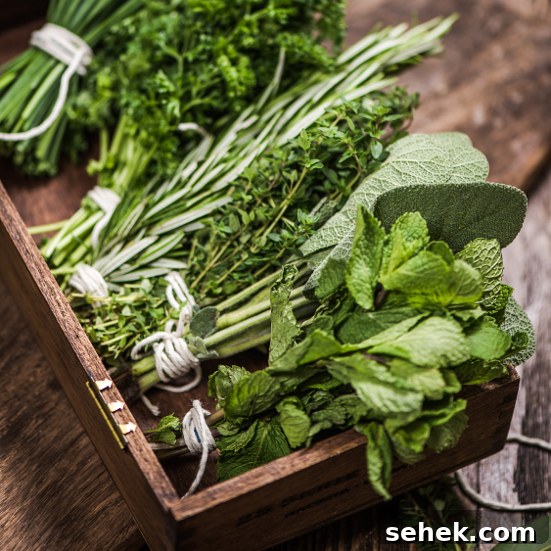
Herbs are handy for cooking, crafting, beauty products, and more, but they can be expensive. Here are 10 practical ways growing your own herbs saves you money—start saving today.
Ways Growing Your Own Herbs Saves You Money
Growing your own herbs is one of the simplest and most cost-effective ways to reduce household spending. A small clamshell of fresh herbs at the store can cost $4–$5 and contains only a few sprigs. By contrast, a packet of seeds or a starter plant costs a few dollars and yields many more servings over time. Below are ten clear ways that homegrown herbs stretch your budget while providing fresh flavor and versatility.
10 Ways Growing Your Own Herbs Saves You Money
1. Lower price per pound compared to store-bought.
Buying herbs at the supermarket means paying for packaging and markup. Growing herbs from seed or inexpensive starters brings the cost per pound down dramatically. A small investment in seeds or plants produces far more usable herb material than a single store package.
2. Dry herbs for year-round use.
Drying or freezing excess harvest lets you preserve herbs for the off-season, eliminating the need to buy dried spices or out-of-season fresh herbs. Properly dried herbs keep well and let you enjoy summer flavors all winter long.
3. Make homemade marinades and condiments.
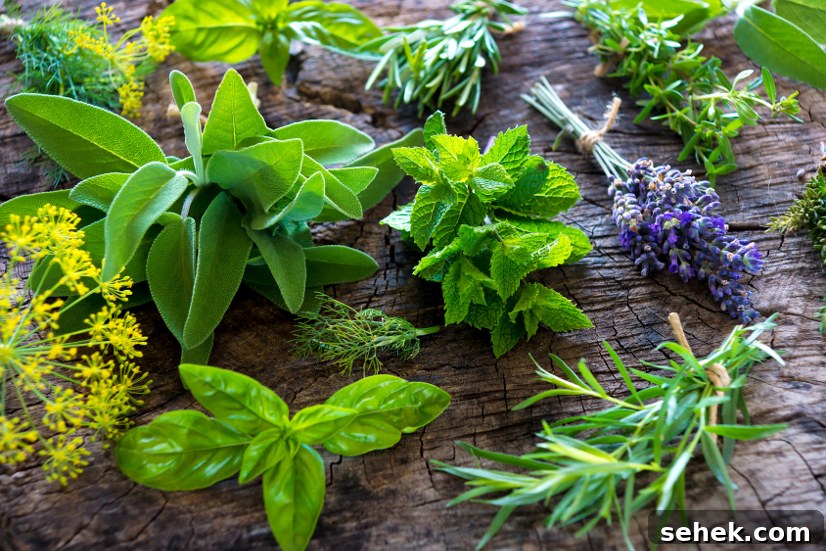
Fresh herbs combined with oil, vinegar, or citrus create flavorful marinades, dressings, and sauces at a fraction of the cost of pre-made products. Homemade mixtures let you control ingredients and avoid preservatives and excess salt.
4. Use herbs in DIY beauty and bath products.
Herbs can be infused into oils, soaps, scrubs, and baths for natural, inexpensive beauty products. Growing herbs for these projects reduces the need to purchase boutique items, and you can experiment with custom scents and blends.
5. Avoid last-minute trips and impulse purchases.
When you keep a ready supply of herbs at home, you’re less likely to dash to the store and buy unnecessary items. Harvesting from your garden saves time and prevents impulse spending.
6. Create herb-infused oils and vinegars.
Infusing oils and vinegars with fresh herbs produces pantry staples and thoughtful gifts. Homemade infusions cost much less than artisanal bottles and allow endless variations, from rosemary olive oil to basil vinegar.
7. Many herbs are perennials.
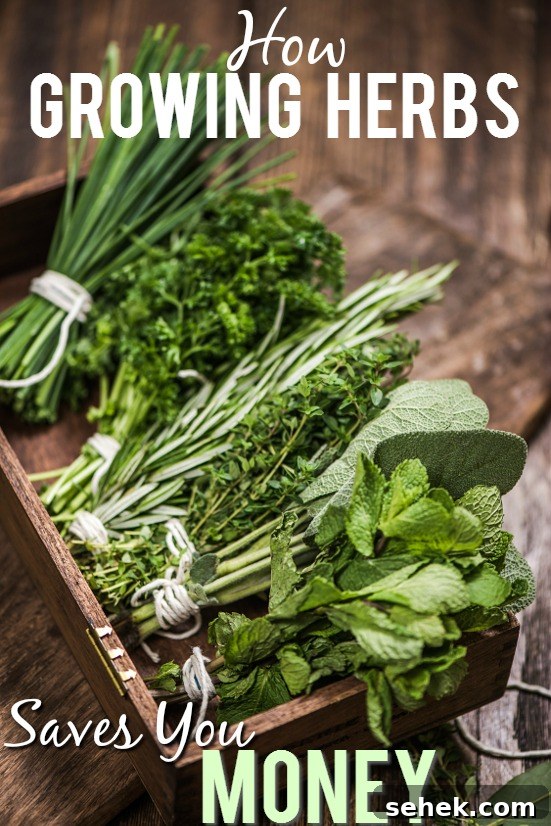
Perennial herbs like thyme, oregano, and mint come back each year, reducing replanting costs. A one-time purchase of a perennial plant can yield harvests for multiple seasons, making the initial expense pay off quickly.
8. Some herbs repel pests naturally.
Certain plants—such as citronella, basil, and lemon balm—help deter mosquitoes and other pests. Growing these herbs can reduce reliance on store-bought repellents and scented candles.
9. Fresh herbs support healthier eating.
Using fresh herbs encourages cooking at home and adds nutrients and flavor without extra salt or fat. Healthier habits can lower long-term medical costs and reduce spending on convenience meals.
10. Less waste equals more savings.
When you harvest only what you need, you avoid the spoilage that often happens with store-bought packages. Reduced food waste directly translates into less money thrown away.
Growing your own herbs is practical, simple, and budget-friendly. Whether you have a windowsill planter, balcony pots, or a backyard bed, a small herb garden delivers fresh flavor, useful ingredients for DIY projects, and steady savings over time.
If you enjoyed these tips on how growing your own herbs saves money, consider exploring related gardening and frugal-living ideas.

6 Tips to Save Money on Gardening Supplies

8 Kitchen Remedies for Perfect Roses

7 Rose Growing Secrets the Pros Use

6 Ways to Reduce Your Family’s Food Waste
Never Miss a Thing!
Join the newsletter for recipes, tips, and tutorials delivered regularly.