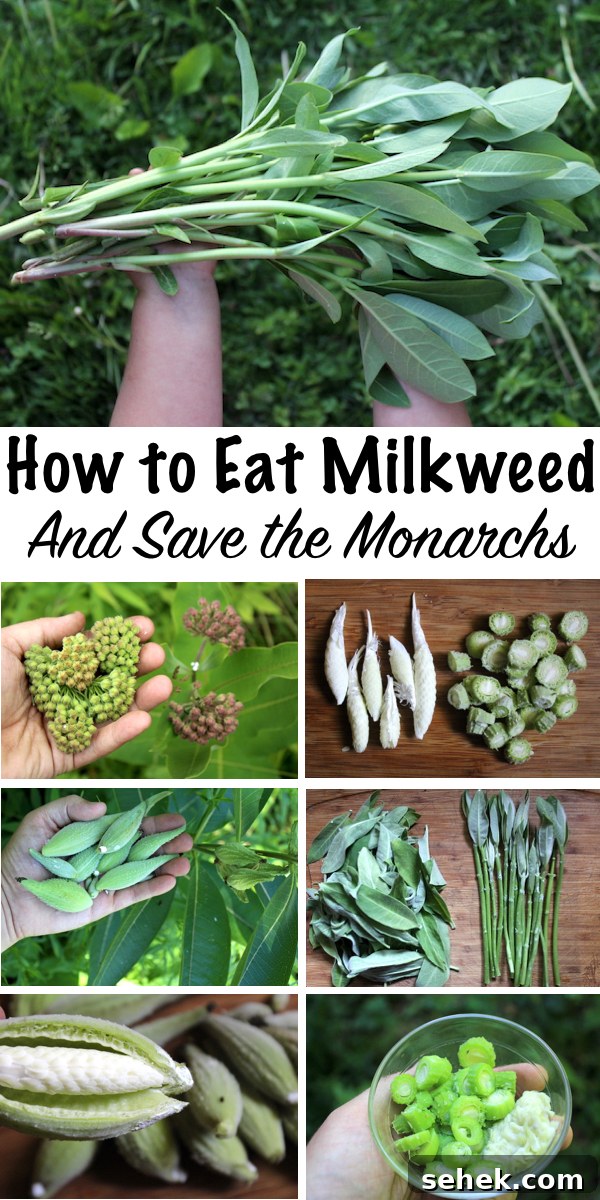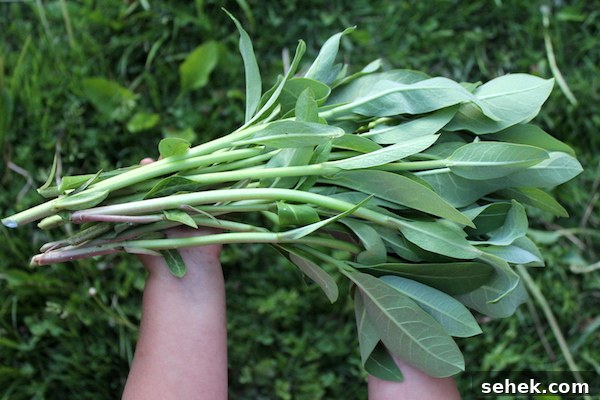
Common milkweed is an unexpectedly delicious wild green and one of my favorite spring foraged foods. Yes—milkweed is edible and, when prepared properly, remarkably tasty. Its young shoots have a texture and flavor reminiscent of asparagus, but richer and more buttery.
Often people respond, “Don’t tell anyone — we must save it for the monarchs!” In fact, responsibly harvesting milkweed can support monarch butterflies rather than harm them. Here’s why.
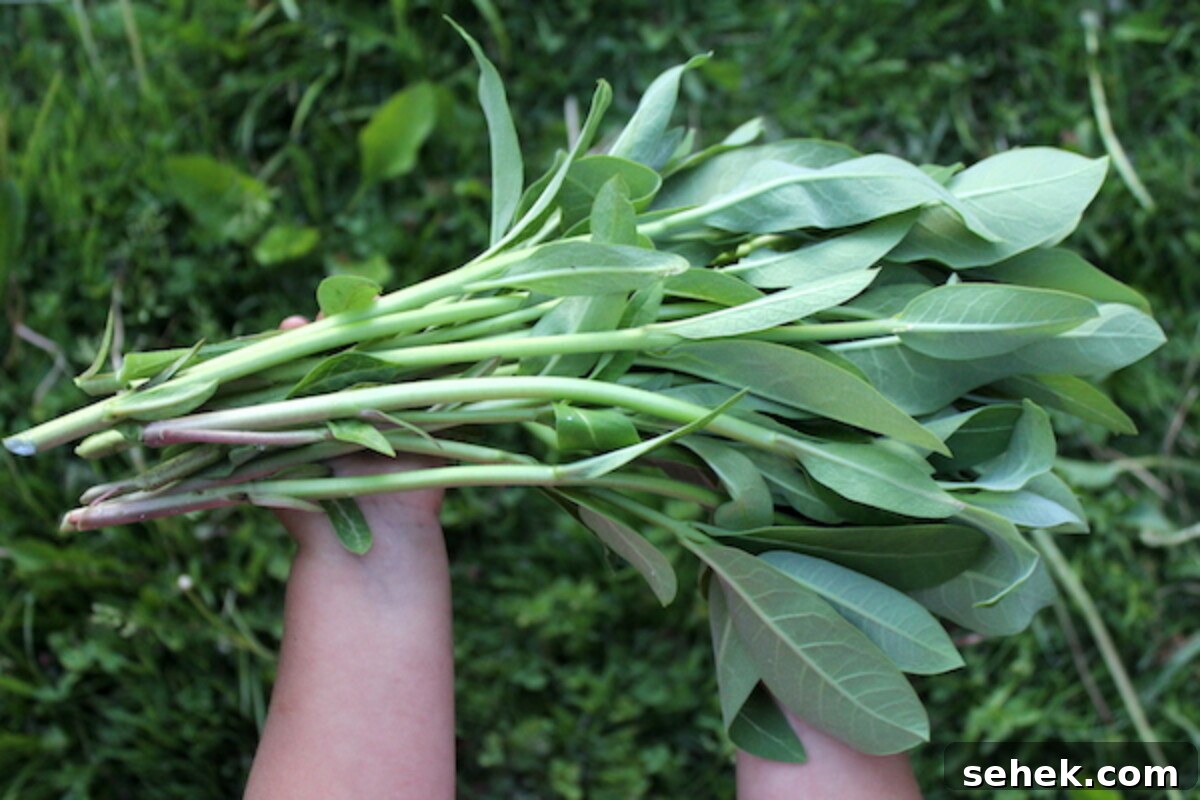
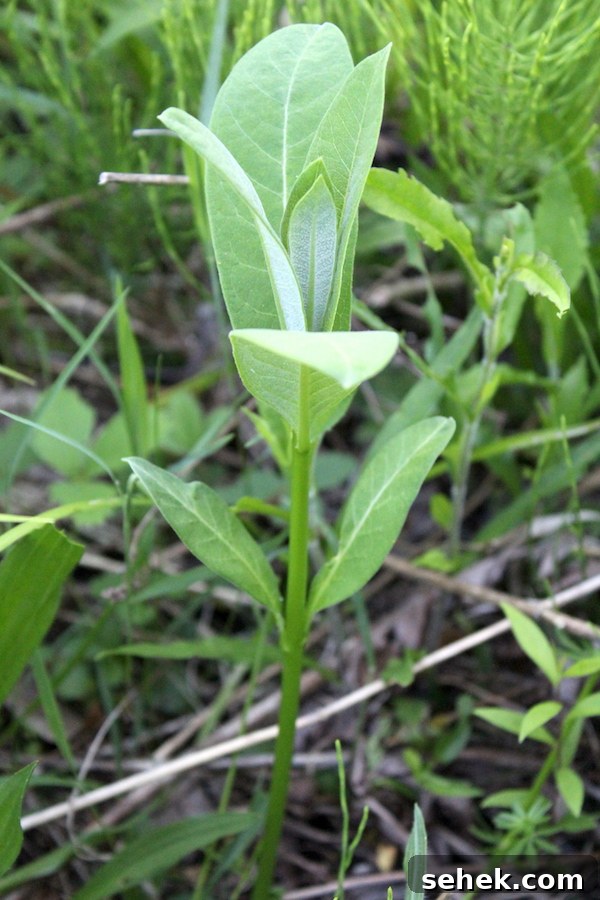
(Important: I’m referring to common milkweed, Asclepias syriaca. There are toxic look-alikes. If you are not 100% certain of an identification, do not eat it. Use a reliable foraging guide or course before harvesting.)
I’ve seen foragers criticized for mentioning milkweed as food because some fear that wider awareness will deplete resources for monarchs. The opposite tends to be true: people who learn milkweed is edible often value it more and protect it. Home gardeners will let it grow, plant it intentionally, and steward small patches so you can harvest sustainably alongside other garden vegetables.
Common milkweed is a perennial that spreads by rhizomes. With careful harvesting it will regrow vigorously and provide edible material at multiple stages: shoots in spring, flower buds like tiny broccoli, blossoms as edible flowers, young pods cooked like okra, and immature seeds that can be used as a cheese-like filling. Each stage offers a different culinary use throughout the season.
Eating Milkweed and Human Nature
I love monarchs, but I used to pull milkweed from my garden because it would crowd the asparagus bed. Once I learned those shoots were not only edible but superior to asparagus in my view, I stopped weeding them out. Now they grow alongside my other vegetables and I harvest selectively.
This small change in perspective can make a big difference. Someone who would otherwise spray herbicide or remove a patch might plant seed if they know the plant is both beautiful and edible. For many people, self-interest — tasty food — motivates stewardship more reliably than abstract conservation messages. If you encourage people to grow and enjoy milkweed, they often protect and even increase habitat for pollinators and monarch caterpillars.
Still Not Convinced?
Beyond changing minds, foragers may directly help monarchs by cutting back common milkweed to encourage fresh tender regrowth. Some foragers and teachers note that monarch populations migrating north rely on tender young leaves for their caterpillars. Because common milkweed spreads by rhizomes, cutting plants back stimulates denser regrowth, benefiting the plant, the forager, and the butterflies.
I’m not an entomologist, but this practical approach makes sense: modest, repeated harvests create fresh leaf growth that can be more suitable for caterpillars later in the season.
Is Milkweed Toxic?
Reminder: common milkweed (Asclepias syriaca) is the species discussed here. Cook it thoroughly and try only small amounts at first, as with any new food. Do not confuse milkweed with toxic look-alikes such as dogbane.
Some old sources repeat a mistaken warning derived from a misidentified plant in a 1970s foraging book; many later references simply copied that error, calling milkweed “unpalatably bitter” or toxic. That describes dogbane, not common milkweed. Properly identified and prepared, common milkweed is sweet, tender, and very palatable.
Always cross-check multiple reputable sources before eating wild plants and be confident in your identification. If you are unsure, do not harvest.
There is always a small chance of a personal reaction to any new food. Start with a small portion and cook thoroughly.
How to Cook Milkweed
The edible uses depend on the plant’s stage:
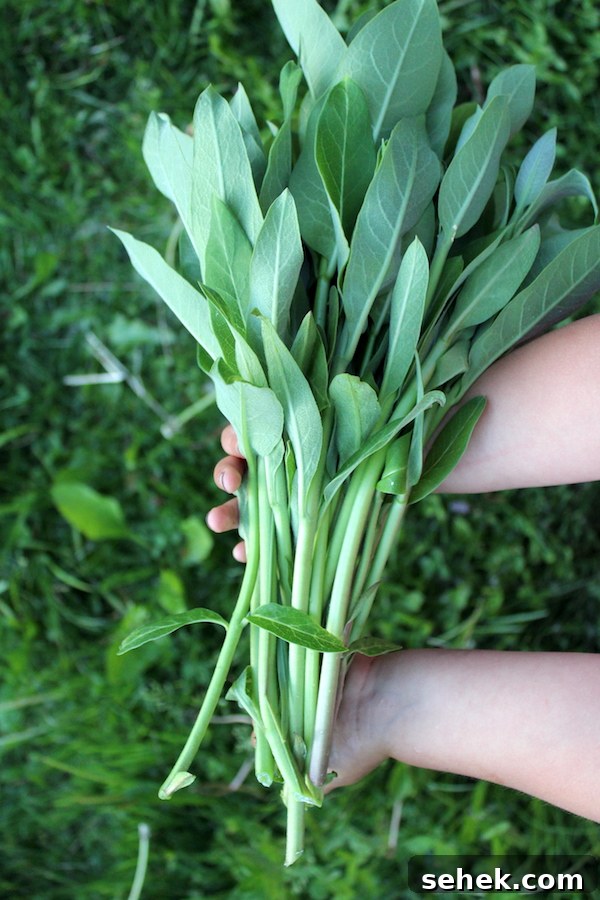
- Young shoots: Harvest when shoots are about 8 inches tall. Remove leaves or cook the whole stalk. Sauteed in butter with a sprinkle of salt, they make a tender, flavorful spring vegetable.
- Leaves: Young leaves cook quickly — about 1–2 minutes in a hot pan — and become a mild, tender green comparable to cooked arugula.
- Flower buds: Often described as “broccoli from another planet,” the unopened buds have a pleasant popping texture. They’re excellent sauteed in butter or pickled as a caper substitute.
- Open flowers: Edible as blossoms, they can be used fresh in salads or preserved in syrups, cordials, and sorbets.
- Small seed pods: When about an inch long, tiny pods can be cooked like okra — crunchy and not slimy.
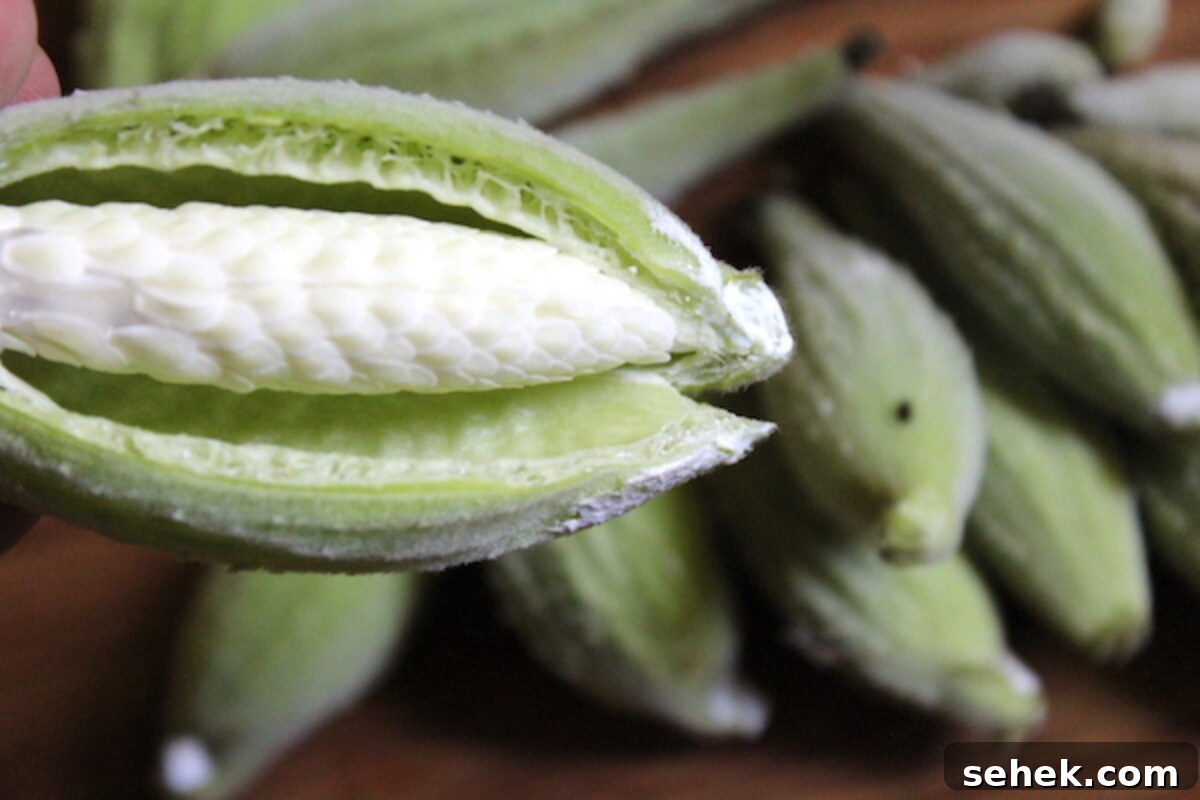
- Immature seeds: When seeds inside the pod are fully white and not spotted with brown, they can be cooked into a soft, cheese-like texture useful in casseroles and as a tofu-like substitute.
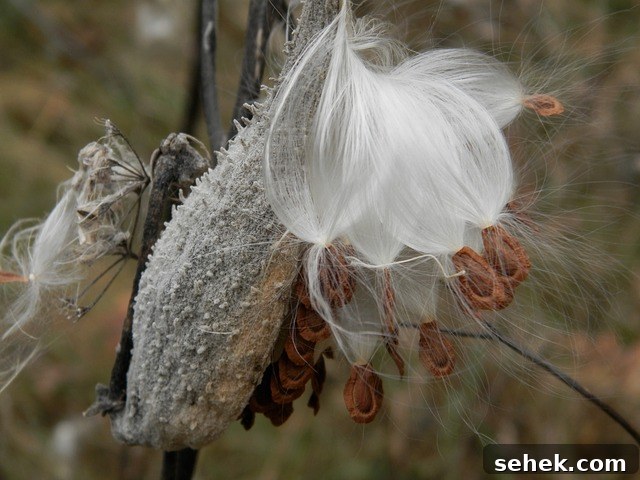
- Mature pods: The fluffy seed fibers have traditional uses for stuffing and, historically, were collected during WWII for life preservers. Today they’re sometimes used for fire-starting or as loft material, but saving seeds to grow more milkweed is often the best choice.
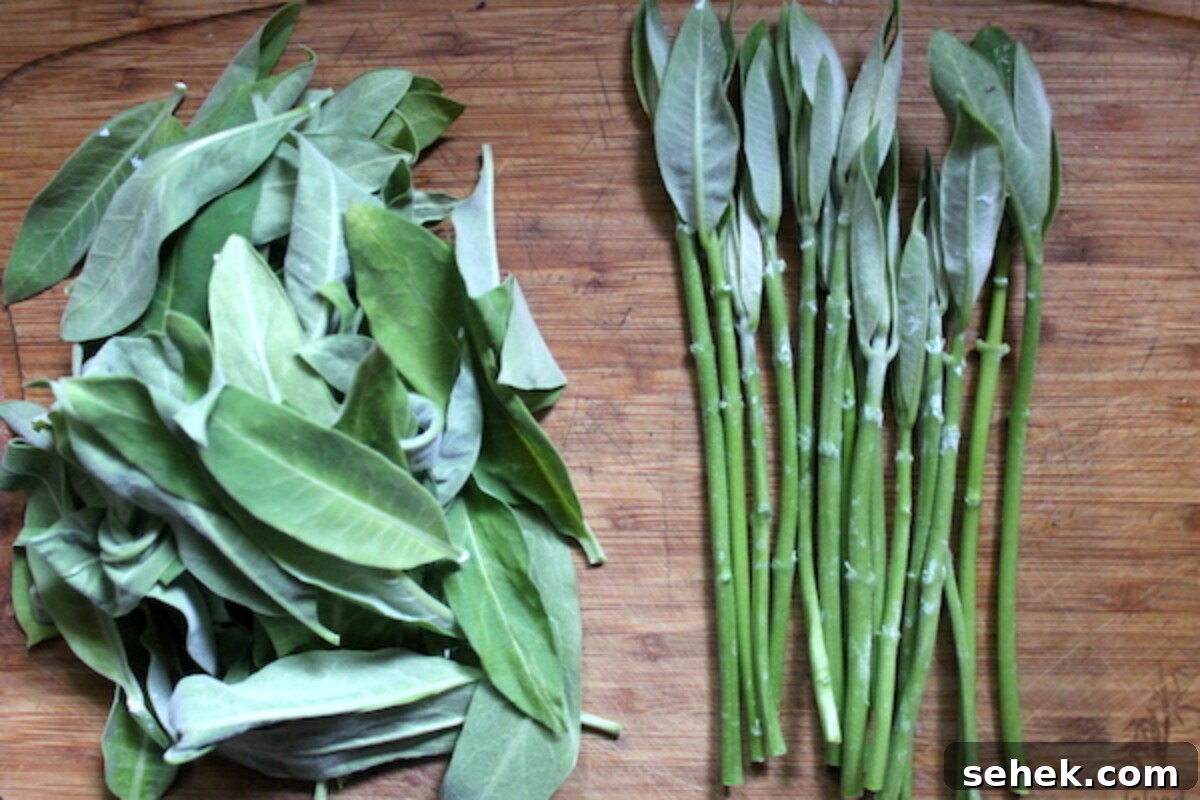
My simplest preparation is sauteing shoots or leaves in butter and finishing with salt. The flower buds and immature pods work well the same way. For more adventurous preparations, people pickle buds as “milkweed capers,” make soups, salads, stir-fries, or even desserts from the flowers.
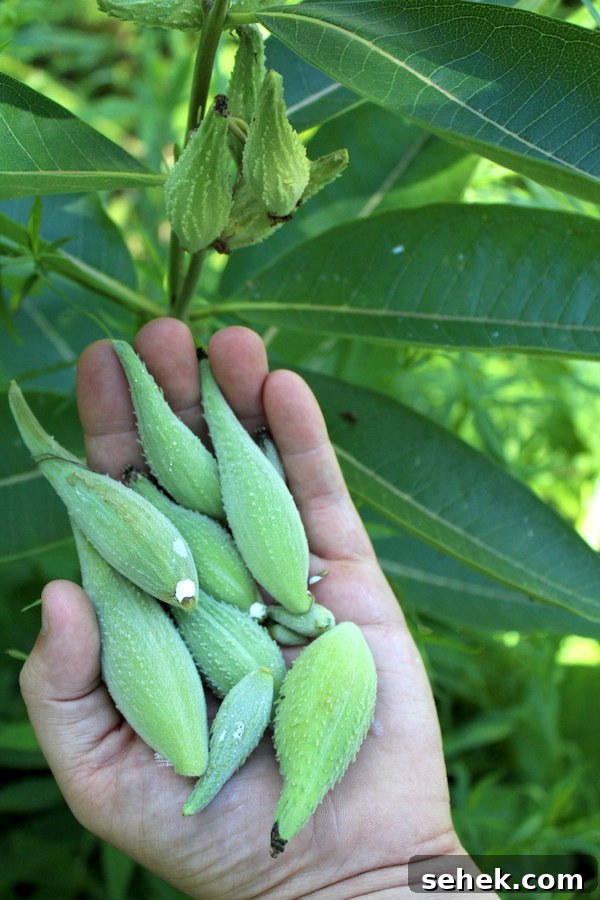
Combining preparations — chopped small pods for crunch plus steamed immature seeds for a creamy texture — makes a satisfying dish that showcases the plant’s variety. I often harvest a mix of pod sizes, chop the smaller ones, extract the immature seeds from the larger ones, steam both and serve together.
When the plant finishes, consider saving seeds to grow more milkweed and expand pollinator habitat. Growing a few plants intentionally in gardens and edges benefits pollinators and provides a sustainable food source for humans who forage carefully.
If you decide to try milkweed or to plant a small patch, please harvest responsibly and only after you are confident in identifying common milkweed. I enjoy it simply sauteed in butter, but I’d love to hear about other preparations you discover. Share your experiences, and consider growing a few plants so you and the monarchs can both benefit.
Final reminder: Make sure you are identifying common milkweed (Asclepias syriaca). Avoid toxic look-alikes, cook thoroughly, and start with small amounts to check your tolerance. When in doubt, consult solid foraging references and courses before consuming wild plants.