Post Updated 5/29/2025
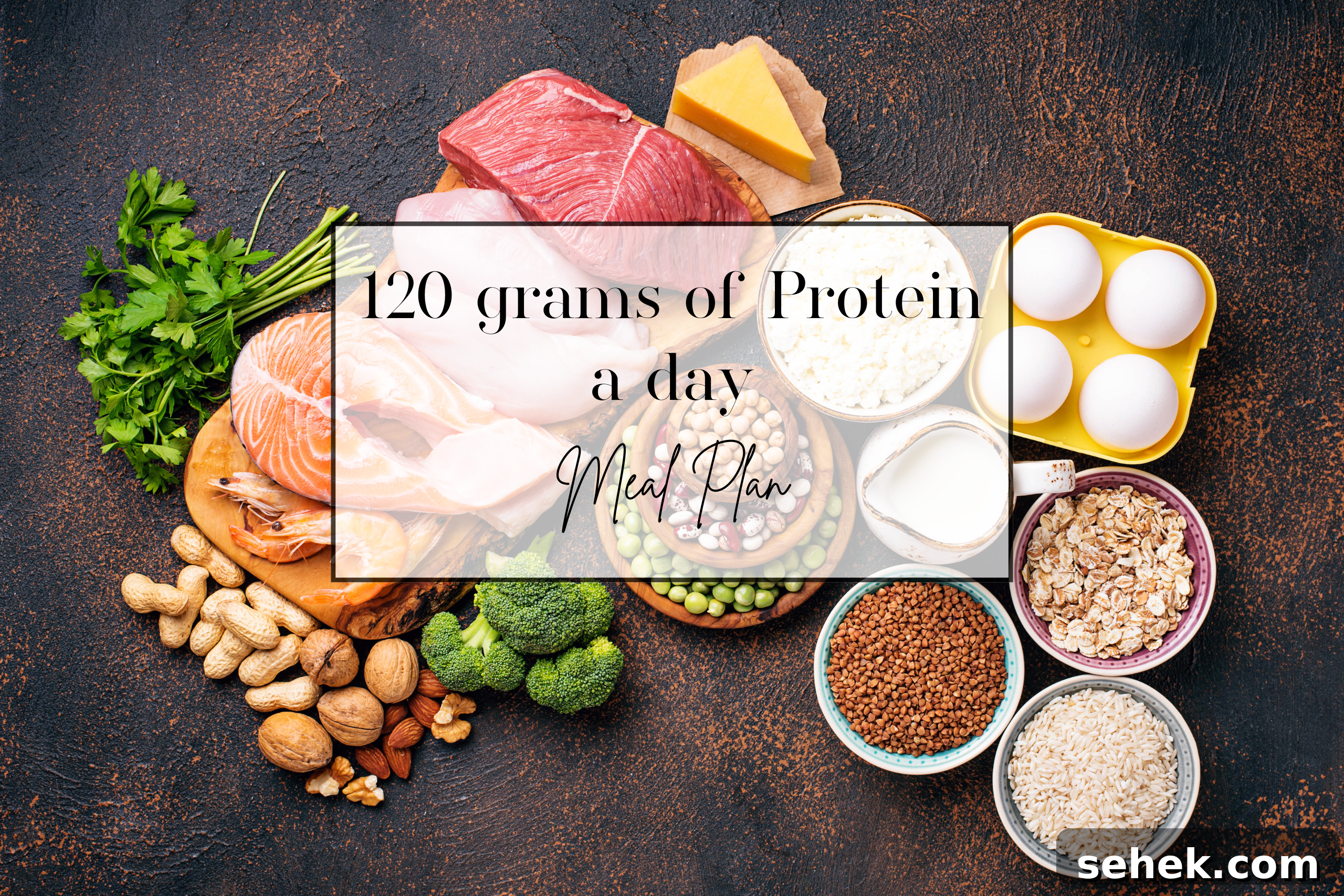
Trying to eat 120 grams of protein a day? Whether your goal is weight loss, building muscle, or simply staying full and satisfied, this 120-gram protein-a-day guide gives practical, balanced meal ideas using real, familiar foods. No gimmicks—just simple, effective strategies to help you meet your protein goals.
Why Eating Enough Protein Is Important
Protein supports nearly every function in your body, from repairing muscle and producing hormones to bolstering the immune system. Too little protein can lead to cravings, low energy, and stalled progress toward fitness or weight goals. Adequate protein can:
- Build and preserve lean muscle
- Support a healthy metabolism and fat loss
- Keep you feeling fuller for longer
- Help repair muscles after workouts
- Support bone health and immunity
- Stabilize blood sugar
- Improve skin, hair, and nail health
Beyond aesthetics and performance, protein plays a crucial role in cell repair, hormone balance, and overall wellbeing.
What Kind of Protein Should You Eat?
Most people benefit from a mix of animal and plant proteins. Here’s a quick breakdown:
| Protein Type | Benefits | Examples |
| Animal | Complete proteins with high bioavailability | Chicken, turkey, Greek yogurt, eggs, salmon, cottage cheese, lean beef |
| Plant-Based | High in fiber and lower in saturated fat | Lentils, tofu, tempeh, beans, quinoa, chickpeas, edamame |
If you follow a plant-based diet, combine complementary proteins—like rice and beans—to get a complete amino acid profile. Plant proteins are often more budget- and environment-friendly, while animal proteins typically provide more protein per serving.
How Much Protein Do You Actually Need?
The RDA is 0.8 g per kilogram of body weight, but that’s a minimum to avoid deficiency. For active people or those pursuing fat loss or muscle gain, aiming for roughly 0.8–1 gram per pound of body weight is more practical.
Example: A 150 lb person may need roughly 120–150 g of protein per day depending on activity and goals.
Needs vary with age, body composition, training intensity, and health status. Sedentary adults typically require less; athletes, pregnant people, or those recovering from injury may benefit from higher intake. Consult a healthcare provider if you have medical concerns.
“A good rule of thumb is to consume about 1 g of protein per pound of body weight.”
Julius Miles, B.S. Exercise Science
When Should You Eat Protein?
To maximize results, spread protein intake evenly across the day:
- Within 60 minutes after workouts
- First thing in the morning to reduce cravings
- Every 3–4 hours to support muscle maintenance
Even distribution helps support muscle protein synthesis and can reduce muscle breakdown while stabilizing energy and hunger levels.
Can You Hit 120 Grams of Protein While Intermittent Fasting?
Yes. If you eat within a shortened window, prioritize higher-protein meals and quick options like protein shakes or bars. Tips to make it easier:
- Break your fast with a meal containing 30–40 g of protein
- Include Greek yogurt, protein bars, or smoothies during the eating window
- Use a post-workout shake if you need to fill gaps
- Plan meals around protein first, then add carbs and fats
Fewer meals mean each should be more intentional about protein content.
What a 120-Gram Protein Day Could Look Like
This sample plan balances whole foods, simple snacks, and easy prep:
| Meal | Food | Protein (approx.) |
| Breakfast | 2 eggs + 1 slice cheese + 2 slices whole grain toast | 26 g |
| Snack | Greek yogurt with berries | 18 g |
| Lunch | Turkey sandwich on whole grain + side salad | 32 g |
| Snack | Protein smoothie with almond milk, banana, and protein powder | 20 g |
| Dinner | Grilled salmon + brown rice + vegetables | 40 g |
| Total | 136 g |
This shows it’s realistic to surpass 120 g/day without extreme measures. Build meals around high-protein staples and round them out with nutrient-dense carbs and fats.
Want a Done-for-You 3-Day Meal Prep Plan?
If you prefer a ready-made approach, a 3-day meal prep plan with a grocery list and straightforward recipes can remove the guesswork and make hitting protein targets easier.
High-Protein Foods to Keep on Hand
Stock your kitchen with convenient, protein-rich options that fit your lifestyle:
Animal-Based
- Chicken breast
- Ground turkey
- Salmon and tuna
- Greek yogurt
- Eggs and egg whites
- Cottage cheese
- Deli turkey or rotisserie chicken
Plant-Based
- Tofu and tempeh
- Edamame
- Lentils
- Quinoa
- Chia and hemp seeds
- Chickpeas
- Nut butters
Quick Snacks
- Protein bars
- Protein powder (whey or plant)
- Roasted chickpeas
- Jerky
- Low-fat string cheese
- Almonds and seed-based trail mix
Choose a mix of shelf-stable and fresh options so you can meet protein targets even on busy days.
Tips for Reaching Your Daily Protein Goal
- Include a protein source with every meal and snack
- Prep protein-rich foods in bulk (grilled chicken, turkey burgers, baked tofu)
- Use smoothies to top off intake when needed
- Keep portable options (bars, single-serve shakes) in your bag
- Focus on progress, not perfection
- Read food labels to track protein per serving
- Consider supplements if you consistently fall short
Signs You’re Not Eating Enough Protein
Your body may give clues if protein is too low. Common signs include:
- Feeling hungry soon after meals
- Loss of muscle or lack of progress from workouts
- Brittle or weak hair, skin, and nails
- Persistent fatigue, brain fog, or low motivation
- Frequent carb or sugar cravings
- Prolonged soreness and slow recovery
If you notice these and aren’t tracking protein, try increasing intake and monitor how you feel.
Common Questions About High-Protein Diets
Is 120 g of protein too much for women?
For most active women, 120 g is appropriate—especially if you strength train or want to lose fat while preserving muscle.
Can you hit 120 g of protein a day without meat?
Yes. It requires more planning and variety, but tofu, legumes, lentils, high-protein grains, and plant-based protein powders make it achievable.
Will too much protein damage my kidneys?
In healthy individuals, higher protein diets are generally safe. If you have kidney disease or other health concerns, consult your healthcare provider.
Is it better to get protein from food or shakes?
Whole foods are ideal, but shakes and powders are useful, convenient supplements when you need to meet your target.
High-Protein Recipe Ideas
Here are some recipe concepts that reliably deliver protein:
- High-protein quiche or egg bake
- Air-fried chicken or chicken sausage meal prep
- Grilled chicken nuggets or skewers
- High-protein fruit smoothies
- Chicken or shrimp burgers/tacos
- Protein-rich crockpot meals for hands-off prep
You don’t need to overhaul your diet—choose a few reliable meals, keep simple staples on hand, and build a plan that fits your routine. Even moving from 60–80 g per day up to 80–100 g is a meaningful improvement for many people.
Start with small, consistent changes and adjust as you learn what works best for your appetite, activity level, and schedule.